Simplifying mine closure: How integration can lead to stronger results
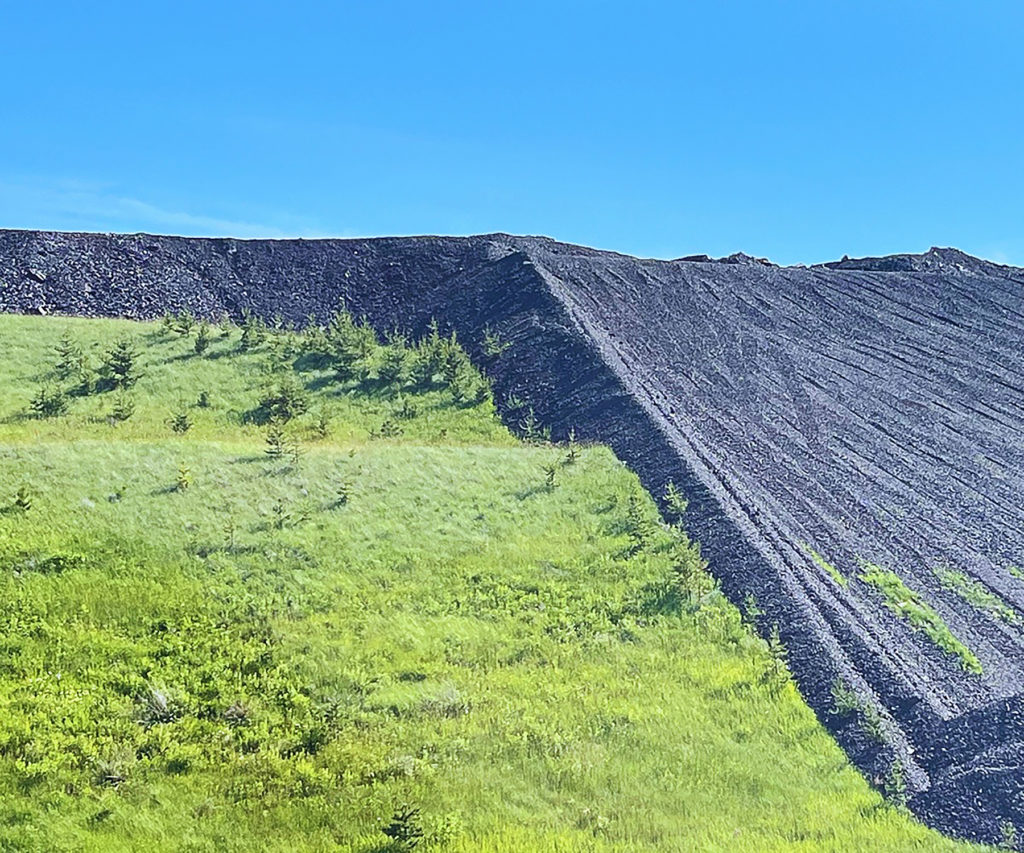
Closing a mine is never an easy task. The amount of work needed to meet regulatory requirements can be daunting, particularly where the requirements may not be clear.
It is a difficult economic, technical, political, and labour-intensive task to accomplish, one made even more difficult when rigorous planning and preparation has not taken place in the months and years leading up to the mine’s end of operational life.
Application of regulatory minimum is often the default level of closure effort. But regulatory minimum is rarely enough as regulations change to meet evolving societal expectations, leaving you in a state of constant catch up over closure timeframes.
There is, however, a better way; one that provides effective and efficient closure, focused on the material aspects and provides for clearer conversations with impacted stakeholders. By integrating mine closure considerations throughout operations, making it part of everyday processes and activities, better overall closure outcomes, including business outcomes, can be achieved.
Establishing integrated practices
We have seen numerous regional and global documents created to provide guidance for mining companies on what needs to be done to create good integrated mine closure practices.
These documents, including the International Council on Mines and Metals (ICMM)’s Planning for Integrated Mine Closure Toolkit, are a valuable resource for establishing a starting point. However, these documents are not without their own challenges. The following three key issues emerge:
• The guidance is ambiguous, as it often identifies what is required but not how, when, or who.
• Individual business drivers are often considered contrary to good practice closure requirements, confounding efforts to gain the internal attention that closure risks so often pose to the business.
• Good practice guides might promote an aspirational, but idealistic and potentially unachievable, end point.
Each of these presents its own unique challenge for integrating mine closure practices. However, none of these are challenges that cannot be overcome with a strong, simple plan in place.
Define your process and requirements
Developing a site-specific framework is the starting point for a successfully integrated mine closure plan. Using the existing resources available, such as the ICMM Toolkit, will ensure the plan is thoughtful, considering site-specific needs and identified risks.
Start by using the tools that provide direction on the what and the how, and adapt them to suit your company, site, and context. Take the necessary time to develop internal processes that will then connect the what to the who and when. Creating a RACI (responsible, accountable, consulted, informed) chart will provide clarity on who is responsible and accountable for specific closure processes and actions. Where possible, integrate into existing processes, so closure is not seen as an add on — often incorporating closure is a minor stretch of existing considerations rather than something completely different.
Then, develop your company or site-specific criteria, also known as design basis. For example, what does “safe closure” for a tailings facility mean in terms of factors of safety and level of residual geotechnical and geochemical risk for your company or site? And what more is then required to achieve responsible closure?
Not all companies will have the internal expertise needed to execute every facet of an integrated mine closure plan. Obtain the needed strategic and technical subject matter expertise for assistance to get the plan right. Investing in setting up the structures, frameworks, limitations, boundaries, and technical basis for design specifications will lead to an executable closure planning process that achieves objectives and delivers outcomes. Clear frameworks and requirements will help the company avoid overspending on deliverables that might need to be reworked.
The business case for closure
When mine closure is not effectively planned or executed, it can impact reputation, company credit rating, and can divert free cash flow funds from growth projects over decades and beyond. This is the case both for timed and untimely closures. The risk of not being prepared, with a solid plan in place, can have a significant impact on the future success of the business, making integrated closure planning completely consistent with overall business drivers.
Integrate closure into every life cycle phase and every discipline and task on site, where everyone is applying entire life of the asset considerations to everything they do, and start this integration early. Key performance indicators (KPIs) associated with integrated mine closure should reward eliminating risk across the entire lifecycle of assets and maintaining asset value rather than short-term wins. Integrated closure can add value to the business, including economic, and there are plenty of examples available in the public domain, e.g., in the Anglo American Mine Closure Toolbox, which is freely available for reference.
There are also ways for closure professionals to approach the integration conversation that can yield successful outcomes with a site or corporate management team. One method is to raise awareness of closure risks, costs, and opportunities using the plethora of case studies that exist in the public arena. Another is to frame closure challenges and opportunities in the language that most resonates with the audience. For example, if risk is the company business language, focus closure as a risk.
Also, focus on materiality; immaterial closure considerations can become “noise” in a busy project or operational environment. Focus on the material risks and material liabilities as effort here will yield the biggest value. This approach helps simplify what closure concerns/actions need to be addressed in the short term, while building buy-in and consensus throughout the operation or company.
Preparing for plan B
Almost all jurisdictional mine closure regulations include a vague pathway to relinquishment, usually looking something like the following:
- Prepare a closure plan.
- Get the closure plan approved.
- Execute the closure based on the existing plan
- Obtain sign off from the regulator.
- Surrender the mining tenure.
One problem: this is rarely played out, for many reasons. These may include increasing regulator risk aversion largely based on a growing liability from legacy sites being held by governments, or older sites starting to show signs that the closure solutions applied at the time are not as effective or durable as expected. And the regulations themselves can often be put in the same ambiguous box as good practice guides. The actual steps in the process are often undefined, or there are uncertain post-relinquishment management protocols or unclear guidance to arrive at agreed financial provision for residual risk.
So, what can we do about it? There are two key steps to take: First, be informed AND be realistic. Understand the regulatory environment and precedent, what sites have relinquished, how their site compares to yours in all contexts, and how clear the pathway is in the regulations. Start discussions with regulators about what a pathway to relinquishment really looks like. What are the exact requirements and criteria to be met? It is never too early to start having that conversation. Second, if it is realistic, conduct high level scenario planning to understand the effort and cost of achieving relinquishment at your site. What would it take, technically and economically, to be able to relinquish the site? What would need to change? What would the regulatory minimum look like? What are the risks and opportunities left for the company? What does a scenario of meeting all your sustainability related commitments look like? And what does a closure scenario controlling material risks in the long term look like? Which of these scenarios is achievable within the resources of the company?
This process will help you identify a realistic closure strategy and will help frame internal and external future conversations. It will help you be aspirational while understanding your plan B. None of this is easy. It takes effort. It takes resources. It takes informed management. But so does mining. The effort is worth it. The work supports the reduction of liability, facilitates effective closure of the site, and provides for a positive legacy. And throughout the effort, be open, honest, transparent, collaborative, informed, and most of all, passionate and persistent. Because while a perfect closure may not exist, good ones most definitely do! 
Kim Ferguson is the director of mine closure for WSP’s global mining and metals business.
Comments