Brazilian miner Vale (NYSE: VALE) has scrapped plans to build a C$325 million ($231 million) nickel sulphate facility in Quebec after its sole client put an expansion project on ice.
General Motors won’t immediately need nickel sulphate in Quebec because it has changed the timing of its Ultium Cam electric-vehicle battery venture in Bécancour, a spokesperson for Vale’s base metals unit said Thursday via email. “As a result, Vale Base Metals is cancelling its nickel sulphate plant project,” he added.
Canadian public broadcaster Radio-Canada reported Thursday that GM and its partner, South Korean steelmaker Posco, have put the second stage of Ultium Cam on hold indefinitely. An Ultium Cam spokesperson couldn’t immediately be reached for comment on this story.
Vale’s project in Bécancour would have been the first-of-its-kind fully domestic nickel sulphate facility for the North American market. It was planned to process contained nickel into nickel sulphate, the chemical compound used in the production of pre-cathode active materials for nickel-based lithium-ion batteries.
Supply partnership
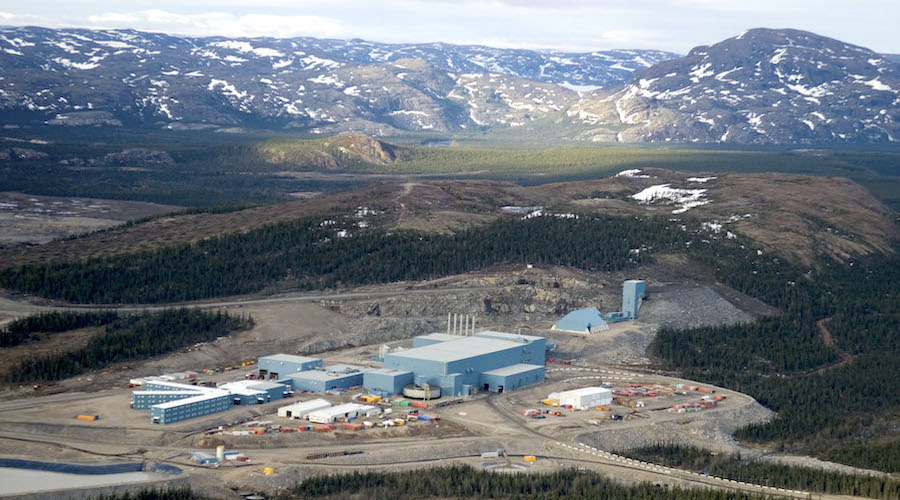
Despite the project’s cancellation, Vale said it will continue to work with GM on their partnership to supply Canadian nickel into the automaker’s North American supply chain. The Brazilian company has nickel mines in Ontario, Manitoba and Newfoundland and Labrador, as well as processing facilities.
Vale and GM in November 2022 signed a “long-term” agreement for the supply of battery grade nickel sulphate produced in Bécancour. The deal would have seen Vale sell battery grade nickel sulphate, equivalent to 25,000 tonnes a year of contained nickel, for use in GM’s Ultium battery cathodes.
The project’s halt marks another setback in Quebec’s attempts to build an electric battery industry following the bankruptcy of Swedish battery maker Northvolt and the collapse of its C$7-billion plan to build a factory in suburban Montreal. Quebec economy minister Christine Fréchette said last month that the provincial government had lost C$270 million as she officially pulled the plug on financing the venture.

Comments