Indigenous-owned mining operations expected to triple by 2030
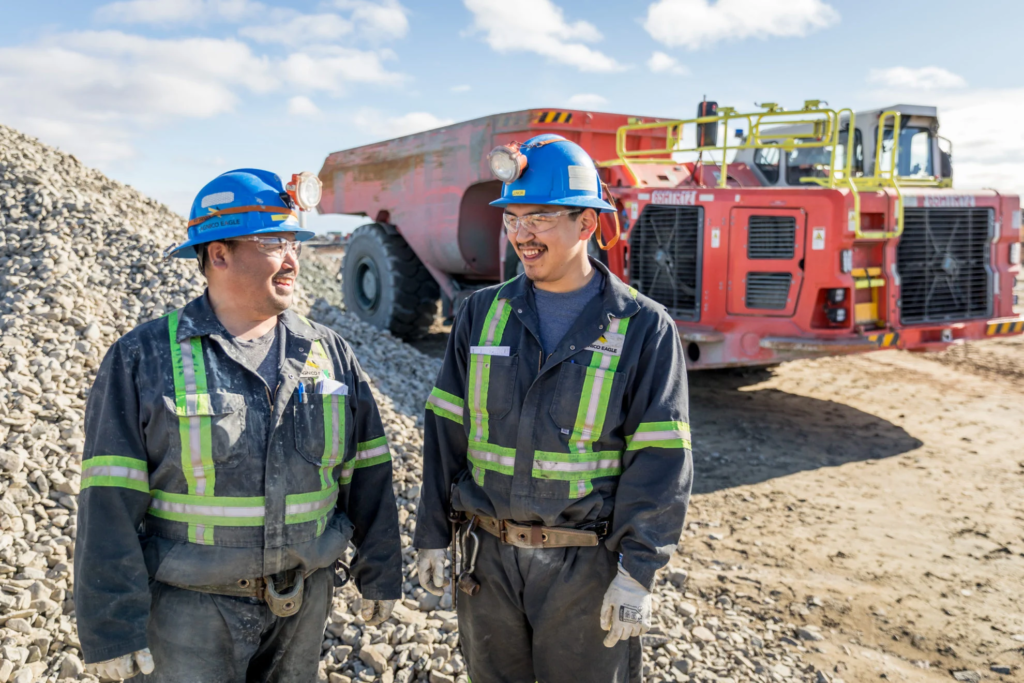
Indigenous workers comprised 8.6% of Canada's mining workforce in 2023, representing an increase from 7.5% in 2018, according to data compiled by Farmonaut, a satellite-based mineral detection and agricultural technology company that provides Earth observation analytics for various industries.
The growth reflects ongoing efforts by mining companies and government initiatives to increase indigenous participation in the resource extraction sector through targeted training programs, community partnerships, and inclusive hiring practices. However, industry experts note that representation varies significantly across regions and job categories.
According to government data and industry reports, several key regions demonstrated notable progress in indigenous workforce participation by 2023. Ontario's Ring of Fire region showed substantial gains through multi-phase agreements with indigenous communities, while Canada's Northern Territories reported significant indigenous involvement in construction and heavy equipment roles. Alberta's mining operations, particularly those adjacent to oil and gas sectors, increased indigenous participation through targeted environmental monitoring and mine rehabilitation training programs.
"Regions that prioritize inclusive hiring, meaningful consultation, and direct benefit agreements with indigenous communities consistently report the biggest improvements in indigenous workforce percentages," noted industry analysts in the Farmonaut analysis.
The data reveals that indigenous representation tends to be highest during early project phases, including exploration and construction, especially when consultation and capacity-building funding becomes available. However, sustained employment depends on robust retention programs and internal career advancement opportunities as projects mature.
Training and upskilling initiatives have emerged as critical factors driving workforce inclusion. Community-based training centers, apprenticeship programs, and vocational pipelines have increased access to technical roles including welding, heavy equipment operation, mine geology, and environmental monitoring.
Several barriers continue to impact indigenous workforce participation. Geographic remoteness of mining sites limits daily commuting options for many potential workers. Limited pre-employment experience and cultural differences in some workplaces also present challenges.
Mining companies have responded by implementing cultural safety programs, providing transportation and accommodation supports, establishing mentorship networks, and creating multilingual training materials. These initiatives have demonstrated measurable improvements in both hiring and retention rates.
"By 2025, targeted training aims to boost Indigenous mining workforce participation by an additional 2%," according to industry projections cited in the study.
The analysis indicates that indigenous workers participate most heavily in construction, excavation, and heavy equipment operation roles compared to technical or specialized mining positions, unless dedicated upskilling pathways are provided.
Industry partnership agreements now commonly include indigenous procurement targets for mine-related contracts, community scholarships for mining-related education, annual reporting requirements to indigenous communities, and creation of joint-venture training facilities.
The mining project lifecycle offers different opportunities for indigenous workforce participation. Early-stage exploration typically shows high indigenous involvement where communities receive consultation and capacity-building funding. Construction phases provide labor-intensive opportunities for heavy equipment operation and site preparation roles. During operational phases, career progression opportunities increase into supervisory, technical, and environmental monitoring positions where additional training is available.
Government initiatives supporting indigenous employment growth include training grants for indigenous students in trades and STEM disciplines, supplier certification programs recognizing indigenous-owned businesses, and impact-benefit agreements requiring quantifiable workforce participation targets.
The study projects that indigenous workforce representation could reach 10% by 2025 through continued expansion of training programs, digital outreach initiatives, and strengthened mentorship and career development opportunities.
Regional variations in progress reflect different approaches to community engagement and workforce development. British Columbia's coal and metal mining operations have shown meaningful improvements in indigenous employment where long-term partnerships exist with First Nations and Métis leadership.
As Canada's mining industry continues evolving toward greater environmental and social responsibility, indigenous workforce development has become integrated with broader sustainability goals, including mine rehabilitation and ecosystem services where traditional indigenous knowledge provides valuable expertise.



Comments