The Technological Age
Updated technological processes save time, money, and manpower in the mining and aggregates industries. Any small error can result in missed specification and an inferior product. Using an app or vibration analysis for simple processes lessens the chance of human error getting in the way, leading to a better overall result. While many operations — from mining to crushing to packing — have started moving toward complete automation, aggregate and mining operations have now started looking into advancing the screening process with technological options.
The measurement of screen media is one area that requires complete accuracy, which is why operations cannot leave it up to chance. That is why industry-leading manufacturers offer technological options for everything from warehouse management to screen media.
Warehouse management
Warehouse managers used to keep inventory lists as physical files, which was their only option. Mining and aggregate operations measured gauge sizes by hand to find the correct screen media for each step of the screening process. This left room for human error and incorrect measurements when ordering or placing screen media. The result would often be material that did not meet specification, the wrong screen media being ordered, and lost profits. However, this is not the only option anymore. As technology has advanced, so have warehouse management systems.
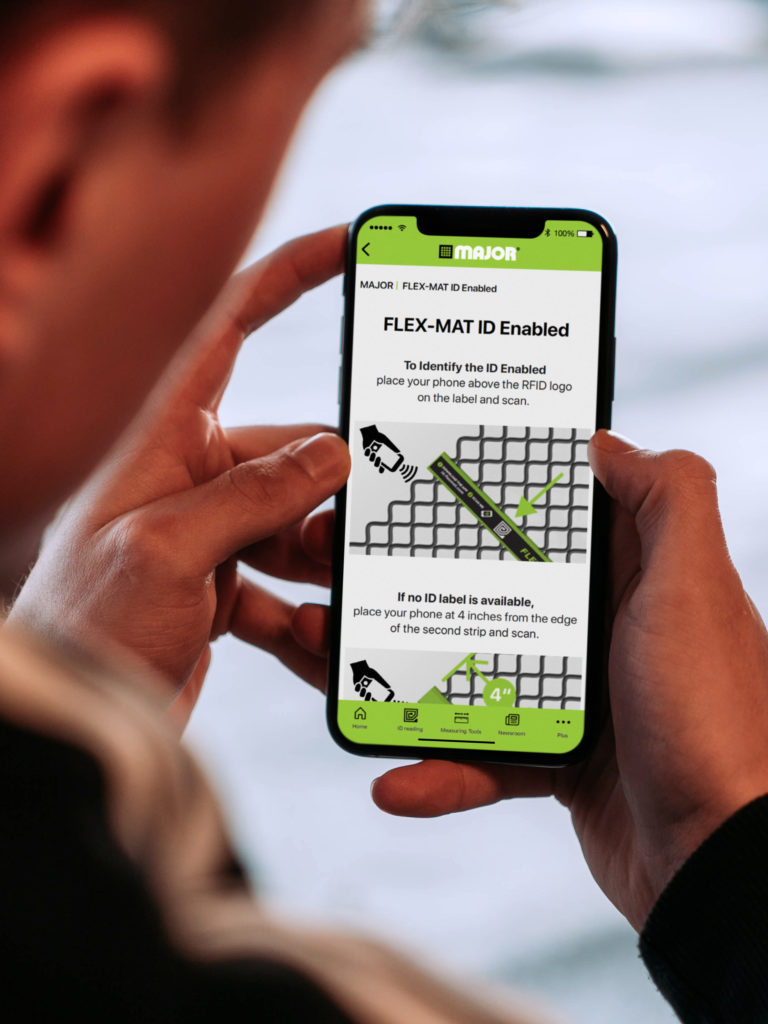
Dozens of companies offer warehouse management software. The issue is that not all companies understand what is important to each facility. That is why some manufacturers have pivoted to using RFID technology for tracking, storing, and replacing screen media. Panels that utilize this tech feature a microchip embedded in the outer polyurethane strip. The chip tracks and stores screen media data, such as panel dimensions, wire size, and other customer-defined details to provide easy access to necessary specs. The microchip is often programmed during production and contains certified information immediately.
Screening analytics
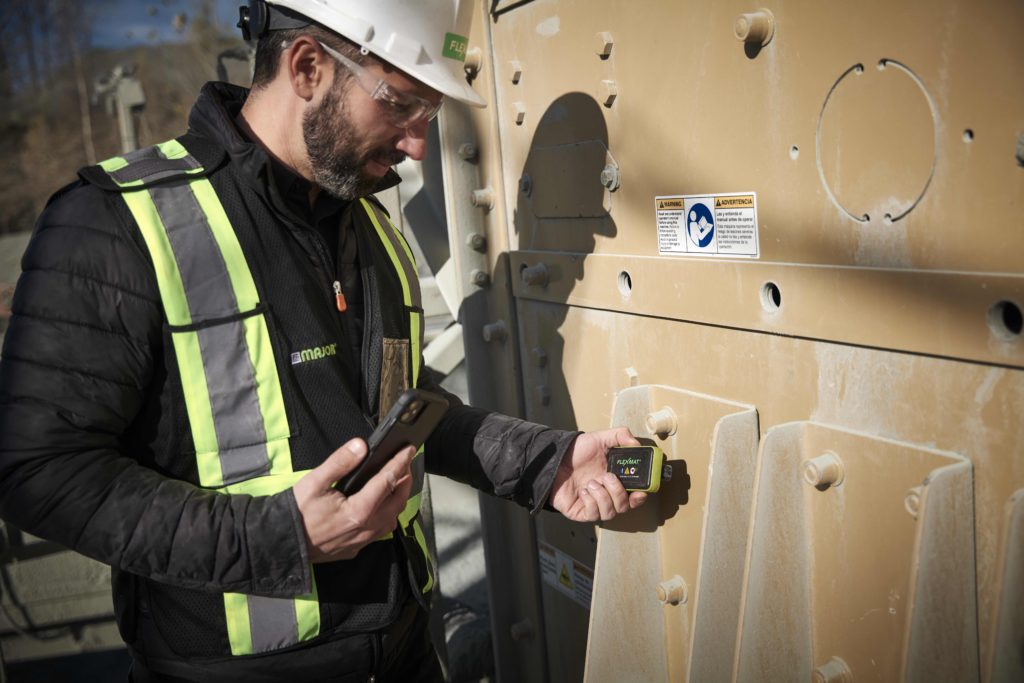
Beyond inventory management, many operations now invest in vibration analysis measurement tools. These sensors enable the reading of screen box vibrations and can be placed on each corner of the screening machine. The sensor measures g-force, stroke, rpm, and orbit, including lateral movement. The system collects vibration data and makes it available to the operator almost immediately.
This data can then be used to fine-tune and make parameter decisions on the screening machine. While vibration analysis options are not meant to serve as a diagnostics tool, the information can point to possible issues with equipment if the data skews at any point. This allows operators to decide if an alternative, more in-depth analysis is needed.
There is an app for that
The popular phrase “there is an app for that” could not be truer when it comes to automation. Many manufacturers now have equipment apps that control their warehouse management software and their vibration sensors while also giving customers access to a newsroom and expert documents. Look for a manufacturer with an all-in-one approach that allows facility managers to both track their inventory, manage their warehouse, engage in proper maintenance protocols, and ensure they are getting the right screen media for their operation.
Proper inventory management, vibration analysis, and other automation options make running a plant even easier. Make sure to partner with a manufacturer that offers the latest technological advancements to increase production and decrease downtime. 
Ian Edwards is vice-president of Global Sales and Marketing at MAJOR, an innovative global manufacturer of wire screens for the aggregate, mining, and recycling industries.
Comments