The whispers from the deep are growing louder, carrying with them the urgency of a planet in transition and the rumble of a contentious global debate. Deep-sea mining, once a distant, almost science-fiction concept, now stands at a critical crossroads. Environmental groups and a growing chorus of nations are pressing for a moratorium, their concerns echoing profound ecological uncertainties. It’s a high-stakes conversation, bristling with apprehension.
Yet, amidst this tension, a breakthrough from Canada's own marine scientists, unveiled in late 2025 in Frontiers in Marine Science, is offering a powerful, nuanced counterpoint. Their groundbreaking study, "Predicting Deep-Sea Mining Plume Dynamics Under Complex Seafloor Topography: A Coupled Hydrodynamic and Sediment Transport Model," developed by researchers from the University of Victoria and Fisheries and Oceans Canada, provides cutting-edge predictive modeling.
This isn't merely academic theory; it's a new, sharper lens, capable of forecasting deep-sea plume dispersal with unprecedented accuracy. It injects fresh, tangible insight into how future operations could be precisely managed, pushing back against the narrative of unmanageable risk.
As the planet hungers for critical minerals—the very building blocks of our green future, powering everything from electric vehicles to renewable energy infrastructure—Canada finds itself uniquely positioned. While acknowledging the environmental tightrope that must be walked, Canadian researchers and policymakers are actively exploring the deep ocean's potential. They believe a science-first, Canadian-crafted approach could elevate the nation to a world leader in responsible seabed mineral development. This strategy, they argue, directly confronts the fierce criticisms, emphasizing rigorous oversight and innovation as the only acceptable path forward.
The global mineral quest
"Canada faces a dual imperative: securing a reliable supply of critical minerals for our own green transition and positioning ourselves as a responsible global supplier," Dr. Alistair Chen, a senior policy analyst with Natural Resources Canada, noted. "Deep-sea resources represent a potential piece of this complex puzzle, complementing our land-based mining efforts, not replacing them. We are strategically evaluating all options to build resilient supply chains."
Science-first mitigation
Environmental impacts stand as the bedrock of critics' concerns, who point to the vast unknowns of deep-sea ecosystems and the chilling specter of irreversible damage. However, Canadian experts, bolstered by leading international research, contend that a meticulously managed, incremental approach—one built on robust scientific baselines and real-time monitoring—can indeed temper these formidable risks.
"We recognize the immense knowledge gaps that exist in our deep-sea environments," Dr. Sarah Dubois, a lead marine ecologist at Fisheries and Oceans Canada, said. "That's precisely why Canada's approach insists on extensive baseline studies, long-term ecosystem monitoring, and a phased, adaptive management strategy. Our new plume modeling, for instance, dramatically enhances our ability to predict and therefore manage the spatial extent of potential impacts. We are not advocating for a rush to commercial extraction but rather a science-first evaluation to understand potential impacts and develop best practices before any significant activity proceeds."
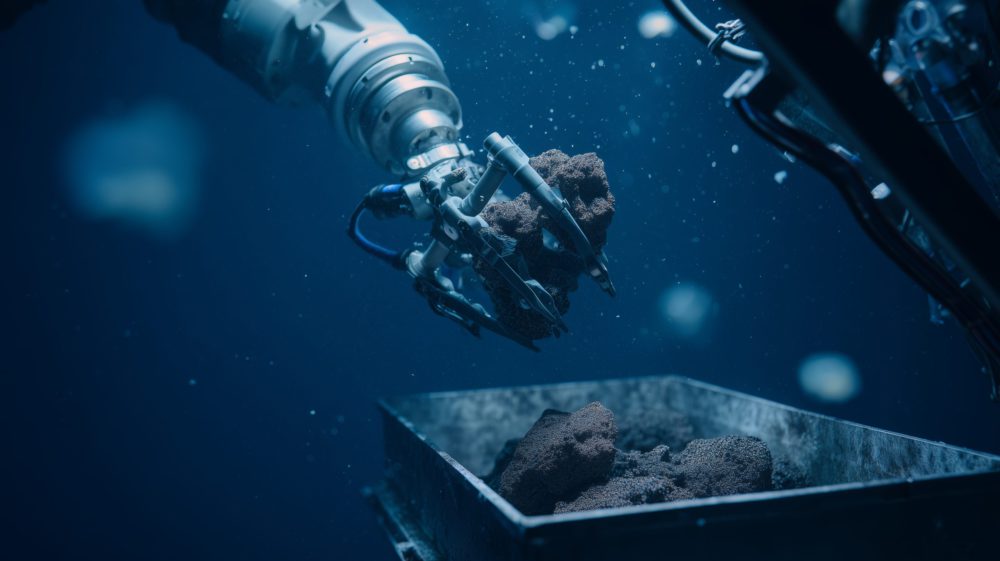
Across oceans, engineering research aligns with this vision, focusing on innovative collection systems that defy traditional mining imagery. "Advanced technologies, including remotely operated vehicles (ROVs) and autonomous underwater vehicles (AUVs) with closed-loop systems, are being designed to minimize sediment plumes and precisely target mineral deposits," Dr. Markus Schneider, a marine technology expert from Germany’s Fraunhofer Institute, explained. "These systems aim to significantly reduce the physical footprint on the seafloor and recirculate processing water, offering a vastly different approach than conventional terrestrial mining."
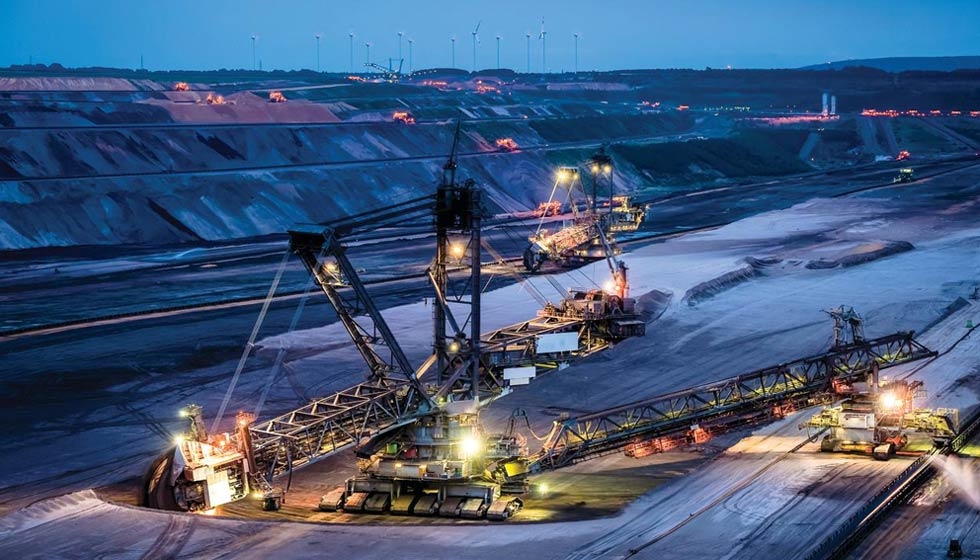
Proponents further argue that when meticulously assessed on a per-unit-of-metal basis, with robust environmental controls, deep-sea mining could even offer a comparatively lower overall environmental impact than some highly destructive land-based operations, particularly concerning freshwater use and the conversion of precious land.
Eyes and ears in the deep
At the University of Victoria, Ocean Networks Canada (ONC) serves as a vital sentinel, a vigilant advocate for robust scientific oversight. Its sprawling network of underwater observatories, often called the "eyes and ears" of the deep, provides invaluable, continuous data on the ocean's intricate processes. "Our deep-sea observatories offer an unparalleled opportunity to establish pre-impact baselines and monitor any changes in real-time if pilot operations were to occur," Dr. Michael Lam, Director of Ocean Systems at ONC, clarified. "Critics rightly demand transparency and data; our infrastructure can help provide that, ensuring decisions are evidence-based rather than speculative."
Partnership and prosperity
Beyond the science and technology, the prospect of economic benefits, especially for Canada's remote coastal and Indigenous communities, forms a crucial part of the Canadian argument. While resource development often sparks concerns about equitable sharing, Canadian policy frameworks are increasingly grounded in principles of reconciliation and genuine partnership.
"For any resource development, especially in our traditional territories, the principle of Free, Prior, and Informed Consent is paramount," Chief Emily Two Rivers, a respected Indigenous leader from coastal British Columbia, said, speaking about resource development in general. "If deep-sea mining is ever to be considered in waters where we hold ancestral rights, it must be developed with us, ensuring genuine partnership, economic benefit-sharing, environmental co-stewardship, and respect for our cultural heritage. There is no other path forward that we will accept."
Shaping global standards
Ultimately, Canadian researchers and policy experts contend that actively engaging in the development of deep-sea mining standards offers a unique opportunity for the nation to shape international governance, rather than merely reacting to decisions made elsewhere.
"Canada has a long history of leading on ocean governance and environmental protection," Dr. Liam O'Connell, an international law expert at the University of British Columbia specializing in ocean policy, noted. "By participating in discussions at bodies like the International Seabed Authority, we can advocate for the highest possible environmental and social standards. Stepping away means ceding influence to nations potentially less committed to strict safeguards. Our role is to push for a precautionary, transparent, and enforceable regulatory framework globally."
International legal scholars, like Dr. Evelyn Schmidt from the University of Oslo, further highlight the importance of developing robust financial assurance mechanisms, such as independent trust funds for environmental remediation and strict liability rules, ensuring that mining operators—not future generations or taxpayers—bear the full costs of any environmental impacts.
A balanced approach
In conclusion, Canadian perspectives on deep-sea mining are characterized by a balanced, yet profoundly cautious, approach. While acknowledging the strategic importance of critical minerals and the very real potential for economic benefits, they firmly assert that any development must proceed only under a regime of stringent scientific investigation, continuous environmental monitoring, robust Indigenous partnership, and unwavering global leadership in setting high standards. This deliberate strategy, informed by both national and international research, aims to cut through the skepticism, demonstrating a profound commitment to responsible and sustainable resource development on Canada's ocean frontier.


Comments