Goldsky Resources (TSXV: GSKR) said on Thursday it has completed the earlier-year transaction to consolidate ownership of the Barsele project in Sweden, which it plans to follow up with a large drilling program.
In January, the Scandinavia-focused gold explorer announced its intention to buy a 55% interest in the property from Agnico Eagle Mines (TSX, NYSE: AEM) to become its sole owner.
As agreed, Agnico received US$20 million in cash, approximately 75.51 million of Goldsky's shares valued at C$2.64 each, as well as a 2% net smelter return royalty. Its royalty obligations to Orex Minerals (TSXV: REX) on the project would also be transferred to Goldsky as part of the transaction.
With the transaction closed, Agnico has become an approximate 32% owner of Goldsky, holding nearly 83 million shares of the company, with an investor rights agreement for top-up.
Goldsky Resources' share price were 2.5% higher by midday Thursday at $3.25 apiece, with a market capitalization of C$598 million.
Drilling planned
In a press release, Goldsky CEO Russell Bradford said the Barsele transaction marks "an exciting new chapter" for the company. The project, located in Västerbottens Län about 600 km north of Stockholm, has been explored by Agnico for a decade, with an existing resource of 2.15 million oz., mostly in the inferred category.
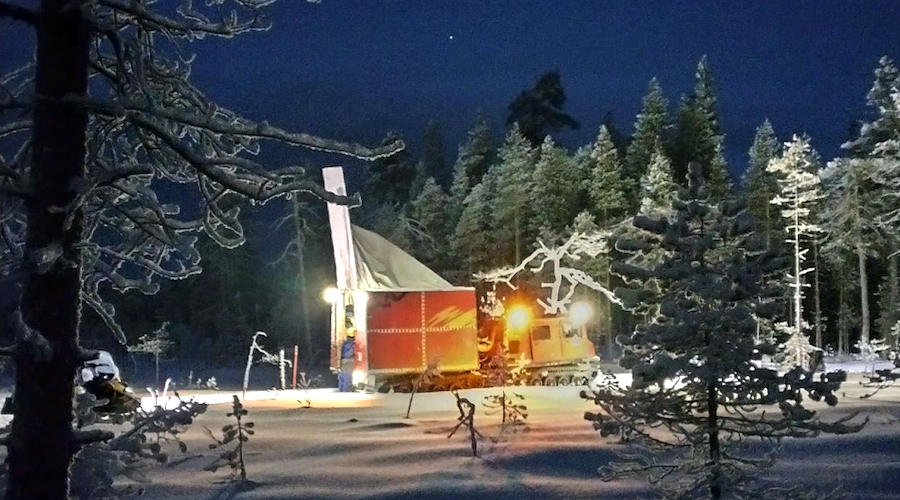
According to Bradford, the Goldsky team is planning what is expected to be one of the largest drilling campaigns ever undertaken across the Barsele licence. On its website, the company said it has budgeted $25 million for the 2026 program.
As part of the Barsele transaction, Nuvolari Capital, an arm's-length party, received 2.57 million shares at the same price as finder's fee, while Bradford received 468,550 shares at a higher deemed price of C$3.20 per share.
In addition to Barsele, the Toronto-based gold junior has two other projects in Sweden -- Paubäcken and Storjuktan -- both located in the historically defined Gold Line belt located in the northwestern part of the country. It also holds three projects in Finland, including the Rajapalot property in the Lapland region.
Comments