Diagnosing screen media problems
Problems with downtime and production quality can be frustrating. Aggregates and mining operations must work quickly to resolve issues and minimize losses from downtime and repairs. Knowing how to diagnose problems and find the best fix can expedite the process.
Here are some things to consider when it comes to common mineral processing challenges.
Pegging, blinding, and carryover
It is no secret that operations regularly face issues with near- or odd-size material pegging screens or fine, sticky material blinding openings. The depleted open area can ultimately result in carryover or contamination of the screened product, making this a costly problem.
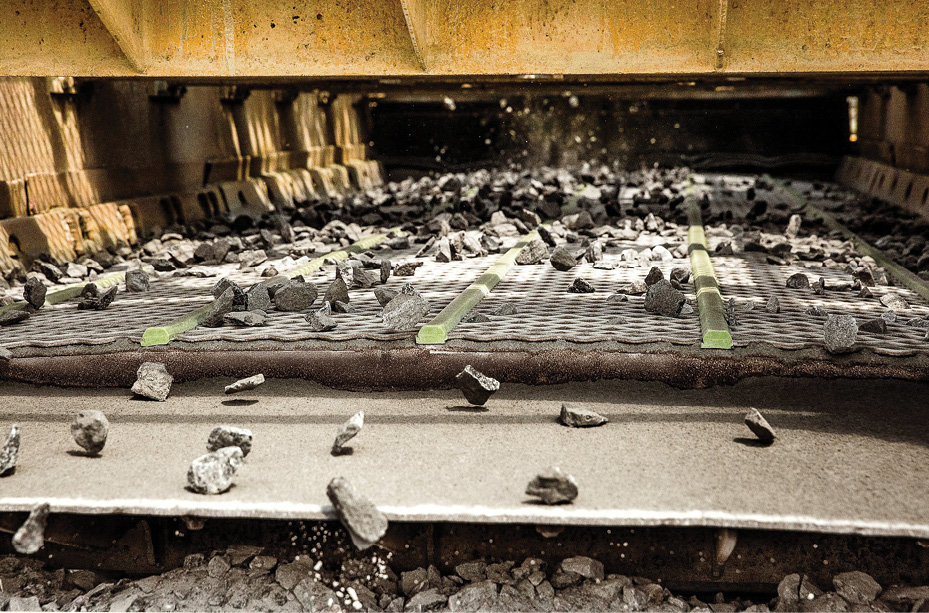
The primary solution for these issues is often the choice of screen media. If using woven wire, consider a high-vibration screen media that bonds the wires with polyurethane strips. This setup allows wires to move independently, effectively dislodging pegged or blinded openings, such as the case of screening material with heavy clay deposits. The extra vibration amplifies overall stratification.
Too much wear and early breakage
If the scrap pile is growing too quickly, it may be time to consider a new screen media configuration. Ideally, the screen media should complement the three main phases of screening: the feed end, the middle of the deck, and the discharge end. Many operations use mixed screen media for optimal results.
Another thing to consider is whether the problems are caused by damaged equipment or improper installation. Proper tension is key for both the performance and the longevity of the screen media. Check screen tension weekly to ensure it is correct. Improper tension leads to early breakage.
It can be overwhelming to diagnose screening problems but partnering with an OEM or local dealer to find the right screening solution can help. After all, careful thought and selection can improve the bottom line and reduce headaches associated with downtime and lost profit.
Serge Raymond is a product specialist at Major, a Haver & Boeker company.
Comments