Electrification, digital integration, and the future of Canadian mining
Credit: Schneider Electric Canada
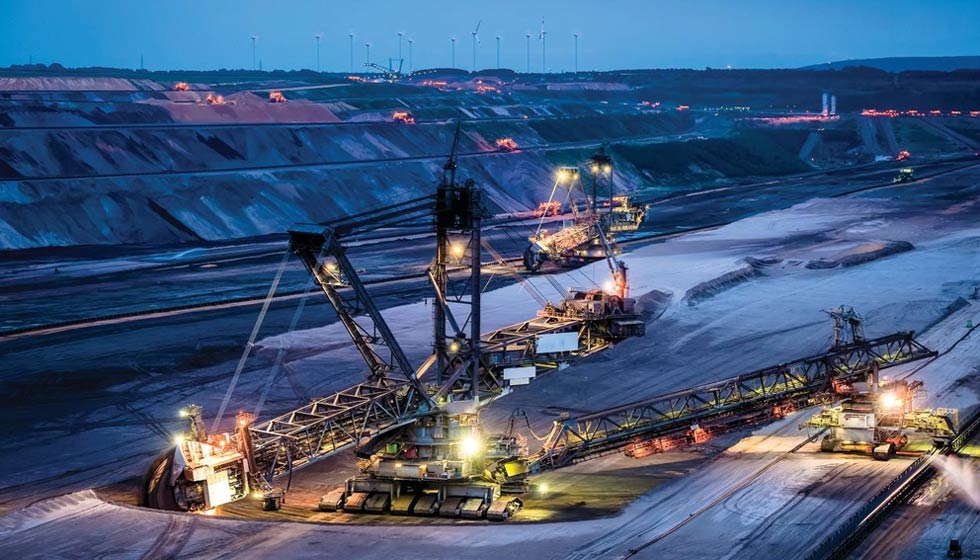
Canada’s mining sector is entering one of the most consequential periods in its history. Global demand for critical minerals is projected to double by 2040, positioning Canada as a potential global leader — if modernization keeps pace with opportunity. At the same time, operators face rising expectations around safety, emissions, and operational resilience. The mines that will lead this next era are those accelerating electrification and embracing integrated digital operations.
Electrification as a decarbonization and reliability strategy
Across Canada, mine operators are moving quickly to reduce diesel dependence, stabilize power systems, and meet emissions targets. Electrification is now viewed as both an environmental and operational imperative.
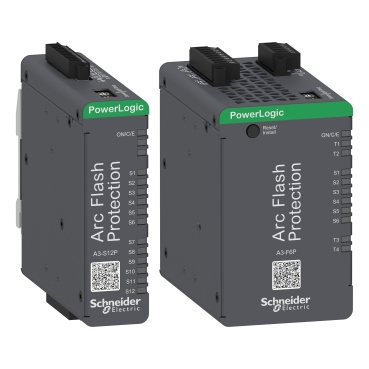
Technologies such as PowerLogic protection and control systems and the ION9000 power quality meter are enabling this shift by providing the precision and visibility required to manage increasingly complex electrical networks. These tools help operators monitor energy use, track emissions, and prevent costly downtime — all while supporting the transition to electric fleets and renewable integration.
Electrification in remote and off-grid sites
Remote and northern mines face unique challenges, such as limited grid access, harsh climates, and high logistical costs. These same constraints make electrification even more valuable. Hybrid microgrids, advanced power management, and real-time monitoring are helping operators reduce diesel consumption, improve reliability, and enhance worker safety.
When electrification is paired with automation and analytics, operators consistently see fewer fuel-transport risks, more stable operations, and reduced exposure to outages that can halt production for days.
Integrated digital operations for safety and visibility
Mining is rapidly evolving into an integrated, data-driven enterprise. EcoStruxure for Mining, Minerals, and Metals connects energy, automation, and digital systems across the entire value chain, giving operators real-time visibility into energy use, equipment health, and production performance. This unified environment enables mines to act on real-time data, improving safety, efficiency, and sustainability.
Integrated platforms deliver the following three major benefits:
- Improved safety through artificial intelligence (AI)-enabled hazard detection and geospatial intelligence.
- Greater production visibility by breaking down data silos.
- Higher asset reliability through predictive analytics and unified control.
These capabilities are especially transformative for remote or complex operations where on-site staffing is limited.
Credit: Schneider Electric Canada
Predictive analytics and condition-based maintenance
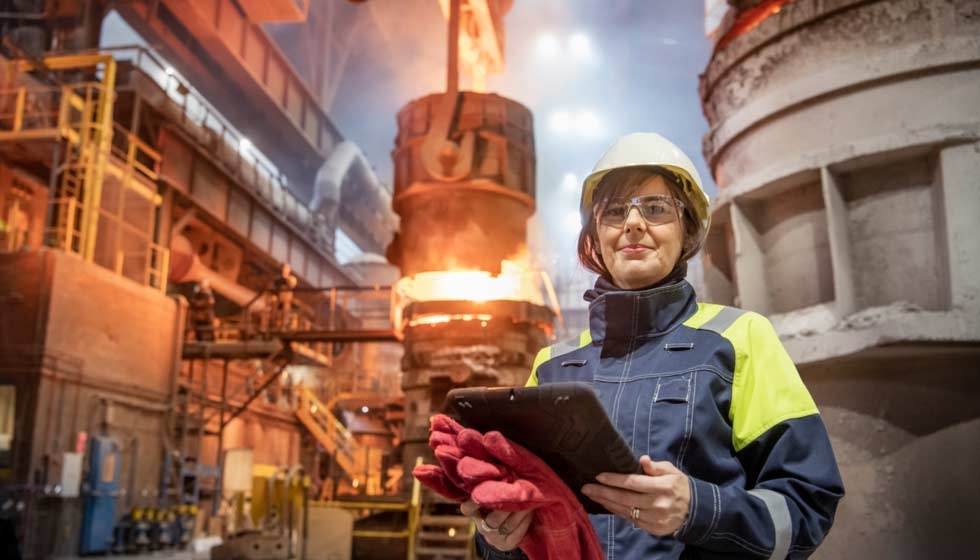
Predictive technologies are reshaping maintenance strategies across Canadian mining. Schneider Electric’s Data Cube AI system analyzes field, operational, and enterprise data to optimize entire operations, not just individual assets.
By shifting from reactive to condition-based maintenance, operators can
- detect anomalies early,
- reduce unplanned downtime,
- extend equipment life, and
- improve worker safety.
This evolution is essential as mines become more electrified and automated.
Digital Resilience in a volatile operating environment
Climate-related disruptions, supply chain volatility, and rising energy costs have made digital resilience a strategic priority. Remote operations, unified control rooms, and real-time monitoring ensure continuity even when access to the site is limited. As the mining industry moves toward remote and autonomous operations, control centres located hundreds of kilometres from mine sites are becoming increasingly common. Digital resilience is now fundamental to operational continuity.
Modernizing legacy sites without disruption
Many Canadian mines were built decades ago and require modernization without interrupting production. Effective strategies include the following:
- Layered digital upgrades that integrate with existing systems.
- Modular electrification components deployed during scheduled maintenance.
- Digital twins to test upgrades virtually before implementation.
These approaches help operators upgrade digital and electrification capabilities while maintaining production and safety.
Preparing the workforce for an electrified, digitalized future
As mining becomes more automated and data-driven, workforce requirements are shifting toward analytics, automation, asset information management systems, and remote operations. Digital tools, such as remote operations platforms, unified engineering environments, and digital twins, help bridge the skills gap and make mining careers more accessible to a broader range of Canadians.
The technology trend that will define the next decade
While AI-driven maintenance, advanced analytics, and energy storage innovation will all play major roles, the most transformative trend will be the convergence of electrification and digitalization into unified, autonomous operations environments. These innovations are already emerging across Canada’s mining landscape, enabling safer, more efficient, and more sustainable operations.
Canada has a rare opportunity to lead the world in responsible, technologically advanced mining. Technology exists. The business case is clear. The environmental imperative is urgent. 
David Willick is vice-president and regional leader of mining, metals, and minerals at Schneider Electric Canada. To learn more about digital solutions enabling safer, smarter, and more sustainable mining, visit Schneider Electric Canada at https://www.se.com/ca/en
Related Posts
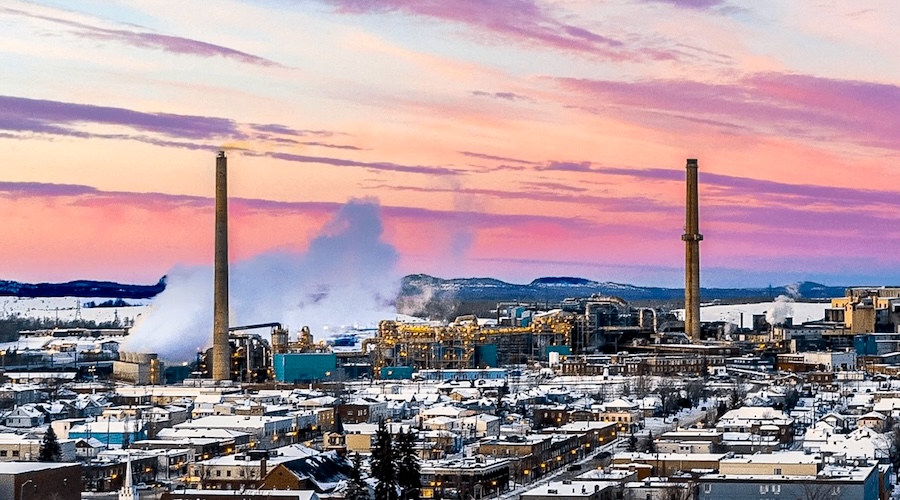
Quebec may delay Horne smelter emissions targets
March 30, 2026
Quebec may delay Horne smelter emissions targets

Canada’s Aton Resources navigates risk to unlock Egypt’s gold
Dynasty Gold extends mineralization at Thundercloud
March 30, 2026
Dynasty Gold extends mineralization at Thundercloud

Mining accelerator targets $148M to fast-track Canadian tech innovation
Canada’s innovation tackles deep-sea mining concerns
March 30, 2026
Comments