Filtering, stacking, reprocessing: The technologies reshaping tailings management
Tailings have always been an inevitable part of mining, but the way tailings are seen in the mining industry has changed in recent decades. Now, many companies are finding new ways to manage and even find value in their mining tailings.
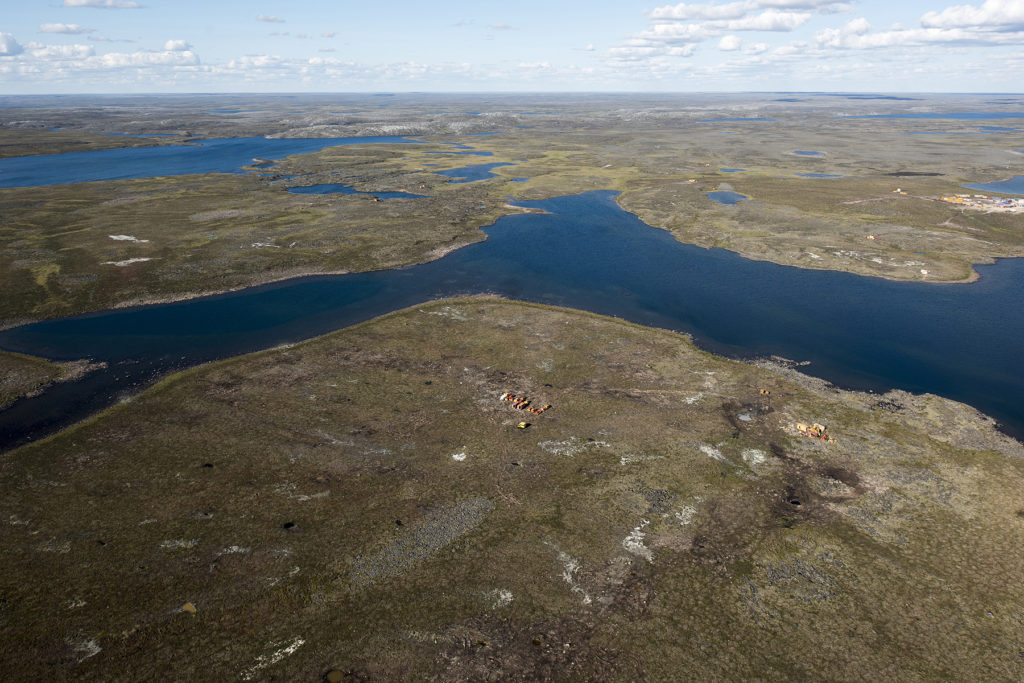
As a natural by-product of the mining processes, the industry has moved from largely ignoring tailings to innovating their safe storage, neutralizing their impact on the environment, and even finding new ways to use or reprocess them to return additional value while reducing risk.
This shift has been reinforced by global frameworks, such as the 2020 Global Industry Standard on Tailings Management (GISTM) and Canada’s Towards Sustainable Mining (TSM) initiative, which have created industry benchmarks for the way mining companies handle their tailings. “The two are pretty broadly similar and have a strong focus on both governance components and a more systematic, rigorous way of making decisions around tailings management,” said Charles Dumaresq, vice-president of science and environmental management at the Mining Association of Canada.
These standards, along with public sentiment and increased regulatory pressure, have elevated the conversation about tailings management from an afterthought to fundamental part of responsible mining that is managed from the beginning of the planning of a new mining site.
A multidisciplinary approach to tailings management
There are plenty of reasons to get tailings right. Improper tailings management can lead to surface and groundwater contamination, erosion, gas emissions, and risks to nearby communities and ecosystems.
Planning for tailings management must begin during initial planning phases of a mine to determine how to best cope with the nature of the tailings that emerge and how to store them effectively for the climate and geographical makeup of the mine location.
“Both GISTM and TORTS are really aimed at pushing companies beyond what is required under regulation. Both standards documents have a strong focus on governance components and trying to push companies towards a more systematic, rigorous decision making around tailings management, including making sure that the accountability is pushed up to the highest levels in the company,” Dumaresq said.
Even then, tailings management is not a static exercise. Plans must be rethought and altered as operations expand, ore bodies change, or mine life is extended beyond original expectations. After tailings management plans are made for a mining site, they change as mining operations continue or expand.
And maintenance facilities must be more resilient than ever, as climate change has increased the weather-related challenges they face. “In the last 10 years, we have seen a lot of hurricanes, floods, and other catastrophic events where they never happened before,” said Daniel Servigna, vice president and global practice lead of mine waste solutions at Ausenco.
“All of those decision-making and surveillance mechanisms and maintenance activities are just as important as the initial engineering that goes into the design and construction of tailings facilities. It really is a multidimensional, multidisciplinary activity,” Dumaresq said.
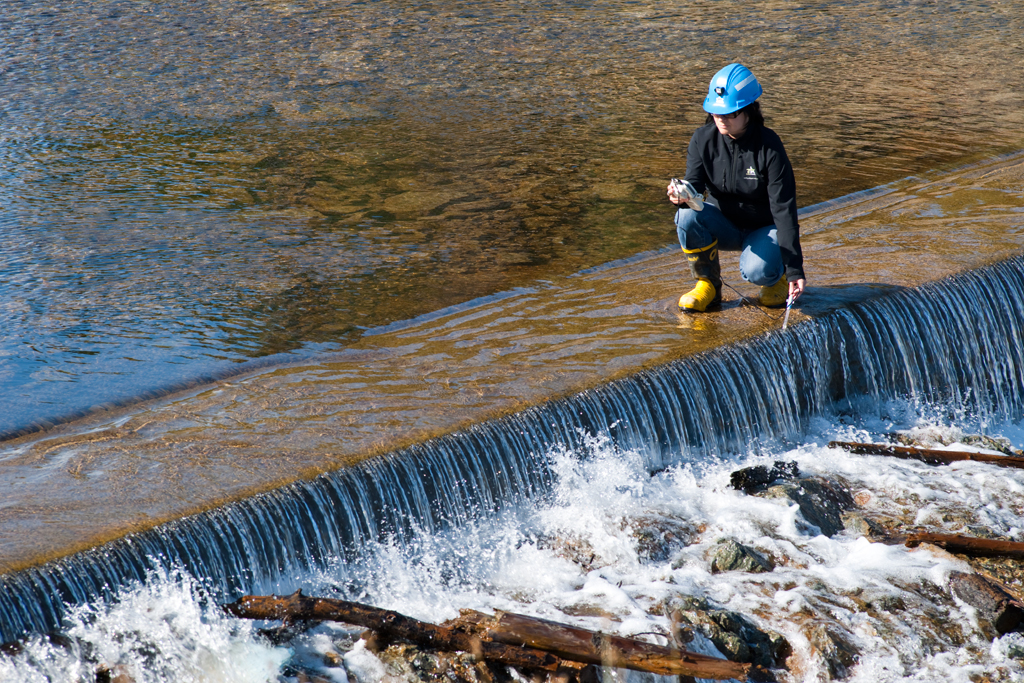
At the same time, standards governing tailings management are becoming increasingly stringent. Companies are expected to demonstrate adequate oversight, monitoring, and accountability throughout a facility’s life span, which will have to function in perpetuity, even after the mine site is decommissioned and much of the surrounding infrastructure is gone.
New solutions
As the mining industry works to reduce risk and environmental impact, new technical and operational innovations are emerging to make tailings storage safer, reduce water use, and shrink tailings facility footprints.
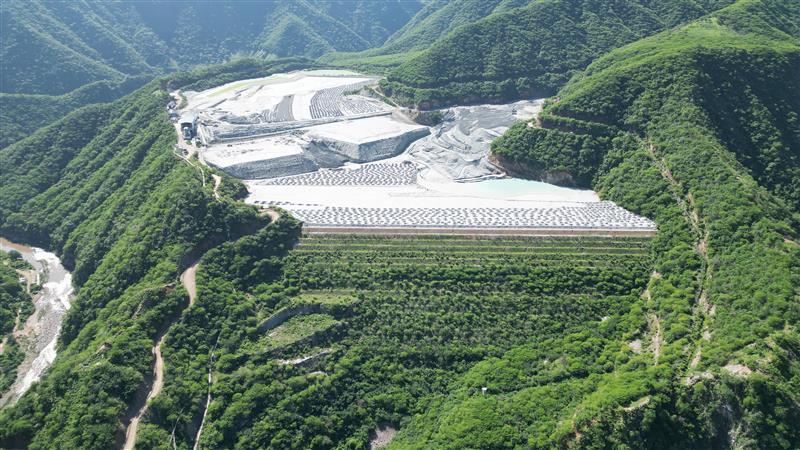
First, filtered tailings are gaining traction as a safer and space-conscious storage method. “Pushing tailings through a filter or a press removes much of the water content, increasing solids concentration from 30% solids to about 85%,” Dumaresq said.
“Slurry tailings facilities tend to be big, but when you filter the tailings to extract the water, you can reduce more than half of the footprint,” Servigna said.
When the tailings no longer flow, mining companies can store them dry in the tailings facility, reducing the potential for physical failures. It also reduces the space needed to store the tailings.
To demonstrate the difference in storing dry versus wet tailings, Dumaresq points to the Turmalina mine in Brazil. In December of 2024, Trumalina suffered a tailings pile failure that engulfed part of the mine infrastructure.
“The tailings facility with filtered tailings did slump and collapse, but it did not have nearly the kind of consequences that it could have had if those had been wet tailings,” Dumaresq said, though he points out that there can be chemical challenges that come with filtered tailings.
In parallel, companies are exploring ways to reduce the physical footprint of tailings by reusing materials where possible. “Mines produce a lot of waste rock. An easy way to reduce footprint is just to co-dispose the tailings with the waste rock. The result can be used to build the roads in the mine site. It can be used as a construction material,” Servigna said.
Collaborating with Anglo American, Ausenco has successfully piloted Hydraulic Dewatering Stacking (HDS) technology, during which coarse sand is used to facilitate water drainage which is then reused in processing to reduce overall water consumption.
Other approaches involve treating tailings so they can serve structural purposes within the mine itself. “In some places, we can take tailings and add some cement to make paste and treat the tailings so that they are safe for the environment, and use them to backfill the tunnels,” Servigna said. Despite these innovations, reuse is often constrained by economics and geography. Markets for tailings-derived materials remain limited, especially for remote operations, so many of these solutions are most viable when the material can be consumed directly on-site rather than transported long distances.
A new life for old tailings
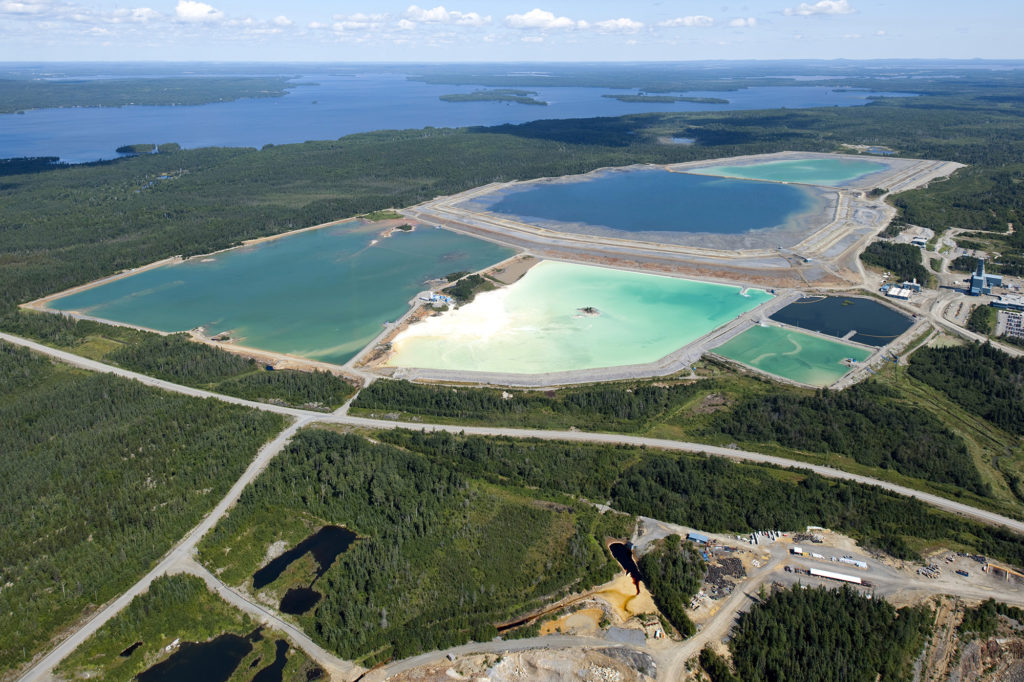
In some cases, stored tailings can prove to include valuable mineral deposits that could be worth exploiting. Through a process known as remining, companies reprocess tailings to pull out materials that were left behind the first time, either because mining practices were not as sophisticated or because there was no market for the minerals at the time. For example, Stiller in Timmins is advancing now through permitting for the reprocessing of Hollinger tailings. “Now we are looking at tailings for rare earths and other stuff that people were not even thinking of recovering when the mine was originally active,” Dumaresq said.
“The idea of reprocessing tailings is not a new one, but there is a renewed focus on the idea in recent years because of the possibility of pulling out critical minerals used in semiconductors, EV batteries, and solar panels. Further, the price of gold is currently very high, so the returns on reprocessing tailings that may include it may be worth the work,” Dumaresq says.
There are, however, some major factors that limit widespread remining. “First, at this point, it is not clear what stores are out there and what deposits might be contained in them,” said Isabelle Godin, fellow at Action Canada, and one of the authors of the report: “Waste Not: Unlocking Critical and Strategic Mineral Opportunities in Canada’s Tailings.”
“That is why our first recommendation to industry was to create a database of what is out there. That kind of research would require a lot of effort, time, and investment. But without it, there is no incentive for the private sector to go into the tailings and search by themselves,” Godin said.
However, even with a solid understanding of tailings stores across Canada, there are some big risks involved in remining tailings. “Even if a company comes in and they want to reopen or treat what is left in an abandoned mine, they become liable for what has been done before. They are not allowed to operate or even do any kind of research before they take ownership of it. There is too much risk compared to what they will get out of it,” Godin says.
In addition, dismantling or reworking an existing tailings facility carries engineering and environmental risks comparable to those involved in its original construction. Even after reprocessing, there will still be almost the same amount of tailings left. Still, Dumaresq predicts there will be a lot more interest in the potential of reprocessing tailings in the future as demand for critical minerals increases and pressure mounts to extract more value from existing mine footprints.
Looking ahead: The future of tailings management
The mining industry is working toward a full life cycle approach to tailings management, rather than leaving it for a downstream technical issue. “Canadians are pioneers in tailings management. Globally, the industry is moving in the right direction in regulations,” Servigna said.
Effective strategies now begin at the planning and design stages, are refined throughout operations, and extend well beyond mine closure. They also include consideration to geographical layout, climate, and the long-term stability of stored materials.
Kristen Frisa is a freelance technology journalist and writer.
Comments