How to tell if switching your PM to NOH is right for you
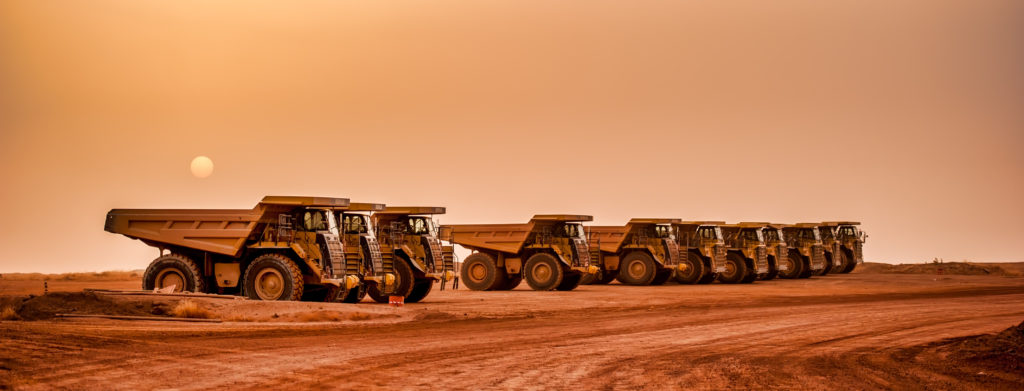
Preventative maintenance (PM) might seem like a minor line item with only minimal value to be gained from optimization, but the truth is that it can be a game-changer when it comes to keeping your fleet competitive. When you add up the compounding differences, it is clear that an effective maintenance plan is essential to minimizing downtime, maximizing efficiency, staying on schedule, reaching the metrics you are aiming for, and keeping your team safe in even the most extreme environments. So naturally, your PM plan is a good place to start when optimizing your operation.
PM schedules fall roughly into the following three categories:
Calendar-based schedules: where PMs are scheduled routinely and independently of any individual piece of equipment’s operating hours.
Service meter unit (SMU)-based schedules: where machines are serviced individually, based on their operating hours, regardless of whether those hours were spent under high stress or simply idling.
Nominal operating hours (NOH)-based schedules: where PM is scheduled as needed, based on data collected remotely for each piece of equipment and sometimes for individual components.
Choosing the right one is a delicate decision, based on your equipment’s age, your operation’s size, and your team’s preferences. However, once you calculate every factor and variable, NOH-based routines emerge as the most advantageous method — and those advantages only increase with the size of your fleet and operation.
How NOH works
To provide the level of highly specific care that allows NOH to stand out, this PM strategy requires advanced telemetrics that constantly analyzes your equipment’s performance and delivers comprehensive data to your team. Once collected, this information is cross-referenced with decades of data to provide a comprehensive analysis of how that equipment functions.
Simultaneously, data from oil analysis — which can inform decisions to extend oil drain intervals (ODIs) — complete the picture by providing data about the lubricants that unlock your equipment’s potential and allow it to operate at peak levels.
Essentially, NOH uses the latest technology to provide a peerlessly comprehensive glimpse of your equipment’s innermost workings, empowering you to make the most informed decisions possible for your mining operation and team.
The challenges of PM
No matter what strategy they use, PM planners face a few basic challenges in overseeing a PM routine. The first is that different machines suffer wear at different rates dependent on their age, their environment, and their role in an operation — for instance, a loader is unlikely to need maintenance at the same time as an excavator — so multiple schedules need to be juggled at once. PM routines also need to be flexible to deal with unexpected breakage or extra work required by leaks, contamination, or other factors that cause lubricants or other ancillary products to break down sooner than expected. And, of course, PM schedules must successfully perform the balancing act of not assigning maintenance too frequently, thereby wasting products and causing unnecessary downtime.
The advantages of NOH-based routine address all those concerns. By tailoring the maintenance routine to the specific equipment or even components, each incident of PM downtime is narrowly focused on the challenge that needs to be addressed, resulting in more efficient maintenance that gets the equipment back in the pit more quickly while still ensuring optimal performance. Similarly, the telemetric technology that makes NOH possible also monitors unexpected complications like contamination or leaks, allowing rapid maintenance response for these challenges before they cause unnecessary wear or structural damage to the equipment. Onboard oil sensors, which are necessary for real-time used oil analysis, ensure that NOH accurately determines necessary PM by analyzing the lubricant currently flowing through your equipment. This way, you can be sure your ODIs are happening neither too early nor too late but right on time — meaning you are getting the most out of every drop of lubricant you buy.
Further advantages of NOH
Beyond addressing immediate challenges, NOH allows you to improve performance in all kinds of exciting new ways while opening even more strategies for creative managers. Because your maintenance is based on performance rather than time, you can build your maintenance routine around the job rather than the equipment. In periods where certain equipment is used more than others, you can prioritize lubricants and other maintenance products for that equipment, freeing up storage space and employee hours for other tasks.
You also avoid the unnecessary wasted time performing maintenance on components that do not need it — greatly reducing the total downtime for individual machines and allowing you to reconfigure your entire operation strategy to prioritize performance, efficiency, or any other metric that is most highly prioritized by your operation.
More importantly, these decisions can be made specifically for each project, season, or priority. With NOH opening up so many new avenues of flexibility in your scheduling, the possibilities become difficult to measure accurately. The potential savings and improvements depend on your schedule, your team, and how creatively you can use this new information. It is important to note that results may vary depending on environmental factors, operating conditions, and the type of lubricants previously used. Performance outcomes are not guaranteed and may differ based on individual system variables.
How to determine if NOH is right for you
Embracing a NOH strategy for preventative maintenance can seem daunting because of the cost, the change to your workflow, and the complexities that come with interpreting new data. But the truth is that the advantages compound both with time and with the size of your operation — which means the more you have at stake, the more it behooves you begin investigating what this change would entail and begin preparing to make the switch.
Mobil lubricants experts, in many cases the same teams that will provide continuing support to NOH-driven operations, can consult to provide a more detailed explanation of the necessary investment — as well as the savings and operational improvements you can expect.
 Roger Young is senior field technical advisor, Western Canada, at Imperial Oil.
Comments