Mine electrification in Canada: An industry in transition
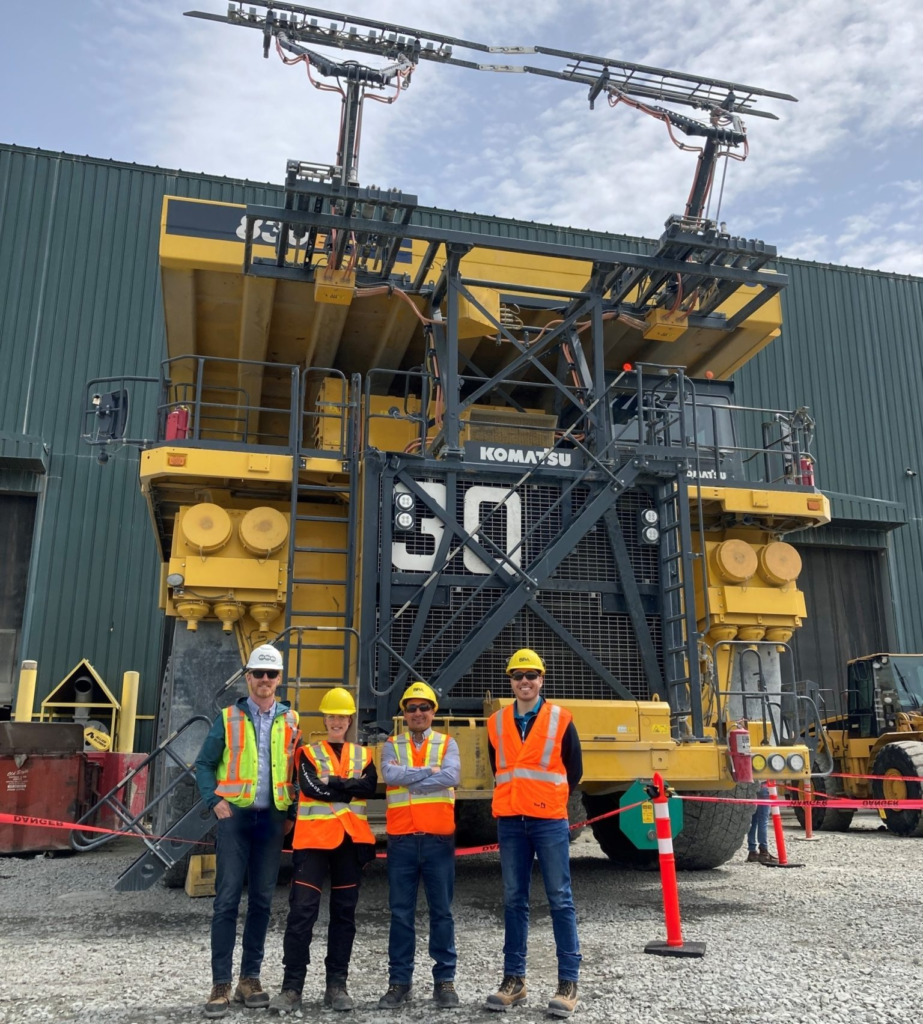
Canada’s mining sector is making strides in electrification, driven by technological advancements, policy support, and infrastructure investments.
The increase in demand for critical minerals in Canada is evident and is the result of mining companies integrating electrified solutions. These solutions include battery electric vehicles (BEVs) and electrified infrastructure to enhance sustainability and efficiency while balancing innovation with operational realities.
Canadian mines have been pioneers in integrating BEVs into their operations with over a decade of use in the industry. Several mining companies have successfully adopted electrification in their operations. For example, Vale’s Coleman mine in Ontario has been integrating BEVs for several years, converting its fleet to reduce emissions.
Copper Mountain mine in B.C. introduced a trolley-assist electrification pilot system a few years ago to support its haul trucks.
Newmont’s Borden mine in Ontario became the first underground gold mine in Canada to transition to a fully battery electric fleet in 2019. The entire underground truck fleet was replaced with BEVs, reducing CO₂ emissions, improving air quality, and enhancing worker safety.
Some mines may require alternative solutions or interim steps before fully adopting electrification. Electrified material handling systems, such as conveyor belts and rail transport, help reduce reliance on diesel-powered haulage.
Renewable energy sources, including solar and wind, paired with smart grid technologies, can better manage electricity demand. Hydrogen-powered vehicles are being explored for longer operating times and faster refueling, while battery-diesel hybrids offer an interim solution to lower fuel consumption and emissions.
Technological advancements over the last year include breakthroughs in energy storage technologies, advances in power electronics, faster charging networks, and progression in inductive charging technology. As technology and infrastructure advance, other mining projects will assess how similar models can be adapted to their specific needs.
As electrification becomes more prominent, the demand for critical minerals — lithium, nickel, cobalt, and copper — is increasing. These materials are essential for manufacturing BEVs, batteries, and energy storage systems.
Canada’s mineral resources and refining capabilities place it in a strategic position to support this demand. The Canadian government’s Critical Minerals Strategy (CMS) outlines efforts to support responsible extraction and processing while strengthening supply chains for these essential materials.
The CMS, backed by a $3.8 billion federal investment, is accelerating project development, strengthening supply chains, and promoting responsible extraction. With over 40 active critical mineral mines as of 2024, Canada is reinforcing its role in the transition to a low-carbon economy.
Looking ahead, Canada’s commitment to mine electrification will continue to shape the industry. As technology evolves and infrastructure expands, government agencies, industry leaders, and technology providers will play a crucial role in advancing these initiatives. Ongoing research and pilot projects will refine the feasibility and impact of electrification, ensuring a more sustainable and efficient mining sector for the future.
Amanda Fitch is regional director of mining and metals at BBA.
Related Posts

Northwestern Ontario seeks second highway that could unlock mining riches
PDAC JV Video: GoldInxs readies Fishpot in BC for drilling, market debut
PDAC JV Video: Alkane plans merger cash flow for more M&A
March 19, 2026
PDAC JV Video: Alkane plans merger cash flow for more M&A

TNM Podcast: ‘The bottleneck is people’ — Franco-Nevada CEO Paul Brink on mining education
JV article: Amex advances Perron towards feasibility study
March 19, 2026
Comments