Mining a sustainable future
Strategies, equipment, and technology to help foster sustainable yet profitable mining
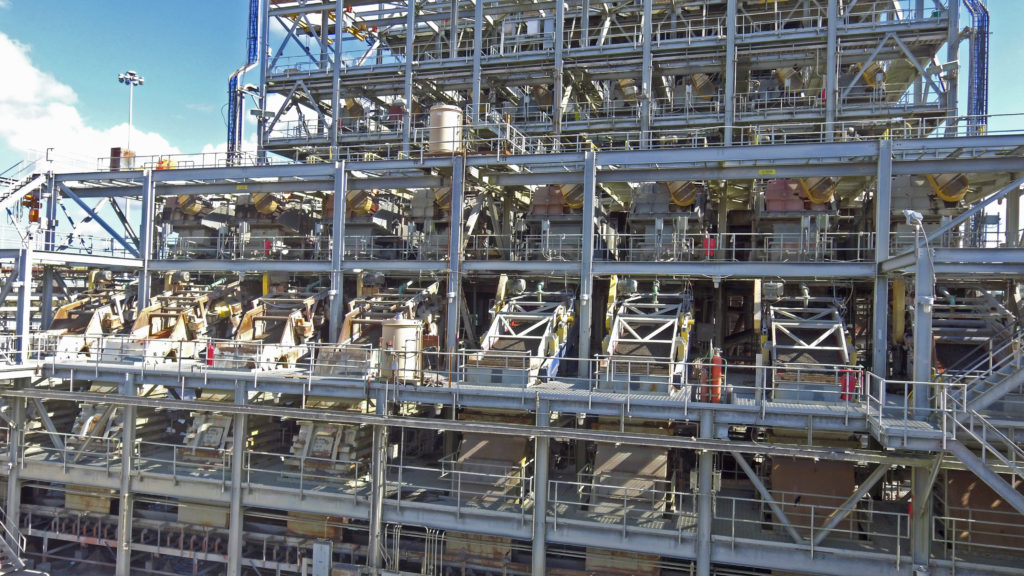
The mining industry stands at a pivotal crossroads. Global demand for materials continues to rise, and with it, the pressure to reduce the environmental impact to mine these materials.
Environmental, social, and governance (ESG) expectations are reshaping how mining companies operate. Governments are tightening regulations on emissions, water use, and land rehabilitation. Investors are scrutinizing ESG performance as closely as financial returns. Communities are demanding transparency and accountability. And internally, operations are seeking ways to reduce costs, extend equipment life, and future-proof their processes.
In this context, sustainability is no longer a buzzword — it is a business imperative.
Fortunately, sustainability and profitability are not mutually exclusive. With the right strategies, technologies, and partnerships, mining operations can reduce their environmental footprint while enhancing efficiency and long-term viability.
Historically, sustainability initiatives in mining were often viewed as cost centres. Today, that perception is shifting. Companies are recognizing that sustainable practices can drive operational excellence.
Here are four key strategies forward-thinking mining operations are using to improve sustainability:
1. Extending equipment life through retrofitting
One of the most immediate and impactful ways to improve sustainability is to extend the life of existing equipment. Retrofitting can significantly reduce the need for new manufacturing, which in turn lowers carbon emissions and resource consumption.
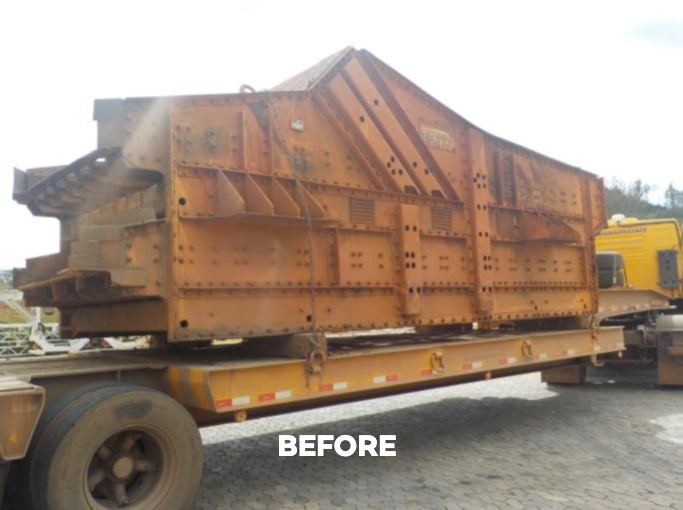
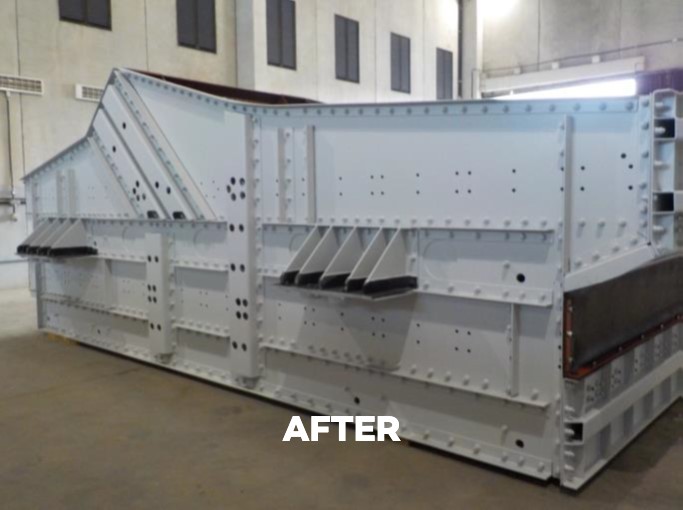
Take vibrating screens, for example. These machines are essential in mineral processing, yet many operations continue to run outdated models that consume excessive energy and water. Retrofitting these machines with advanced technology and components, high performing screen media, and washing systems can dramatically improve performance. Better yet — it can often be achieved in less than half the cost of buying new.
The retrofitting process typically begins with a site assessment. A screening specialist evaluates the machine’s structural integrity and identifies components that can be rebuilt or replaced. High-performance parts, such as polyurethane screen panels, modular decks or energy-efficient motors, are then installed. Certified technicians may use vibration analysis tools to ensure the refurbished machine operates within optimal parameters.
Machines that are decades old, up to 80 years in some cases, have been successfully refurbished and returned to service, performing as efficiently as newer models. This approach not only saves capital but also significantly reduces the environmental impact associated with manufacturing and transporting new equipment.
2. Leveraging process optimization tools
Digital transformation is revolutionizing the mining sector. One of the most powerful tools in this transformation is plant simulation software. These platforms allow engineers to model and optimize entire processing plants in a virtual environment before making physical changes.
Advanced systems enable users to diagram plant flow, simulate machine configurations and calculate product outputs. This allows operations to test different scenarios, such as adjusting screen sizes, modifying conveyor layouts or changing feed rates, without interrupting production.

The benefits are substantial. By identifying bottlenecks and inefficiencies, operations can reduce energy consumption, minimize water use and increase throughput. Simulation also supports better decision-making during plant expansions or upgrades, ensuring that new investments align with long-term production and sustainability goals.
3. Conducting proactive maintenance with smart diagnostics
Artificial intelligence (AI) is no longer a futuristic concept; it is a practical tool that is reshaping how mines and quarries operate. One of the most impactful applications is in predictive analytics. Unplanned downtime not only disrupts production but also leads to increased energy use, emergency repairs, and premature equipment disposal — all of which have environmental consequences.
Predictive maintenance technologies help mitigate these risks. Tools like condition monitoring and vibration analysis use wireless sensors to continuously assess equipment health. These systems detect early signs of wear, imbalance or misalignment, allowing maintenance teams to intervene before a failure occurs.
For example, advanced condition monitoring systems are permanently attached to the vibrating screen and use their wireless technology to forecast the equipment’s dynamic condition as well as predict necessary maintenance and provide critical downtime alerts. They can identify common types of failures such as lubrication faults, contamination, and bearing damage as well as loose or broken structural parts of the vibrating screen body. Essentially, over time, a condition monitoring system should be getting “smarter” by using its AI to improve the accuracy of the alerts it sends.
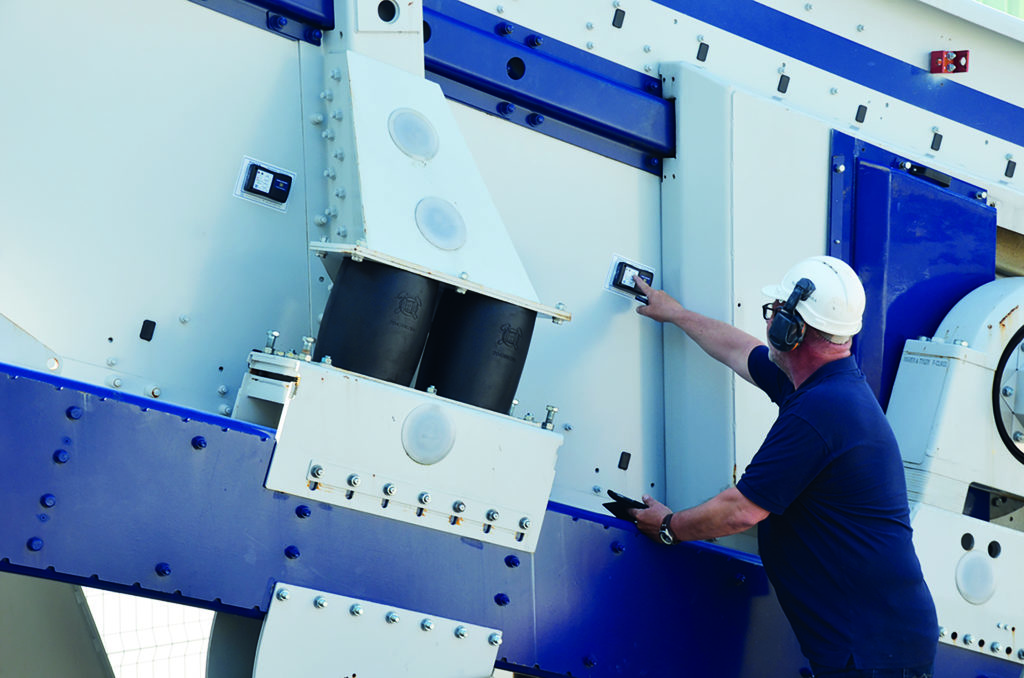
Another next-level diagnostics tool is vibration analysis technology. Vibration analysis complements condition monitoring technology by identifying subtle changes in machine dynamics that may indicate developing issues. Advanced vibration analysis systems allow the user to measure the health of a vibrating screen and spot irregularities invisible to the naked eye. This could be a hairline crack in a side plate or side plate twisting that could affect longevity. The ability to catch and address these issues early can mean significant savings in terms of downtime and repair costs by preventing a chain reaction of damage caused by the initial issue. For example, a damaged spring causing irregularities on a vibrating screen may not be immediately apparent during day-to-day operation but could lead to high costs if not fixed.
Together, these two tools support a proactive maintenance culture, ensuring uptime and productivity. The data collected is often sent to an online dashboard to be stored, allowing operations to view historical information and track machine performance. Some manufacturers offer to have their engineers review the data to provide technical insight and recommendations, all without needing to visit the site. On-site inspections can then be scheduled for further examination, if needed.
4. Choosing the right partners
Sustainability is not a solo endeavor. It requires collaboration with partners who share your vision and values. Equipment manufacturers play a crucial role in enabling sustainable practices.
When evaluating partners, look for those who offer not just products, but solutions that are scalable, practical, and aligned with your ESG goals. This includes support for retrofitting, access to digital tools, and a commitment to innovation.
Look for a partner that works closely with customers to assess their current systems, identify opportunities for improvement, and implement tailored solutions. Whether it is upgrading a single machine or optimizing an entire plant, the focus should be on delivering long-term value, both operationally and environmentally.
Building a resilient, responsible future
There is no one-size-fits-all solution in mining. Each operation has unique challenges, resources, and goals. But the path to sustainability begins with a willingness to evaluate current practices and invest in smarter strategies.
By extending equipment life, embracing digital and AI tools, and adopting predictive maintenance, mining operations can reduce their environmental impact while enhancing productivity and profitability.
The future of mining belongs to those who innovate — not just for short-term gains, but for long-term resilience. By partnering with forward-thinking manufacturers and embracing sustainable technologies, the industry can build a greener, more responsible future. 
Karen Thompson is the president of Haver & Boecker Niagara’s North American and Australian operations.
Related Posts
PDAC JV Video: FireFox drills toward first Mustajärvi resource
PDAC JV Video: Bold bets on low-cost Ontario drill trio
March 13, 2026
PDAC JV Video: Bold bets on low-cost Ontario drill trio

JV article: Deloitte targets mid-tier miners managing complexity

JV Q&A: Dundee Sustainable eases processing risk
March 13, 2026
JV Q&A: Dundee Sustainable eases processing risk
PDAC JV Video: Amex targets March bulk sample at Perron
March 12, 2026
Comments