ASGCO tackles conveyor reliability with latest maintenance strategy
ASGCO “Complete Conveyor Solutions,” a leading provider of conveyor equipment and services, has introduced a new preventive maintenance schedule designed to optimize […]
ASGCO "Complete Conveyor Solutions," a leading provider of conveyor equipment and services, has introduced a new preventive maintenance schedule designed to optimize the performance of belt conveyor systems in large bulk material handling facilities. The comprehensive plan, released on January 16, 2026, addresses the safe, reliable, and efficient operation of all types of conveyors, including feed, transfer, stacking, and reclaim systems.
The maintenance schedule, developed by ASGCO's team of experts, outlines a series of inspections and tasks to be performed at varying intervals, ranging from daily checks to annual overhauls. It emphasizes safety protocols, mechanical integrity, and electrical system reliability, with a focus on maximizing uptime and extending equipment longevity.
Safety remains a top priority in the maintenance program. Before performing any tasks, workers must follow lockout/tagout procedures, verify zero energy states, and wear appropriate personal protective equipment. The schedule emphasizes that no work should ever be conducted on a moving conveyor.
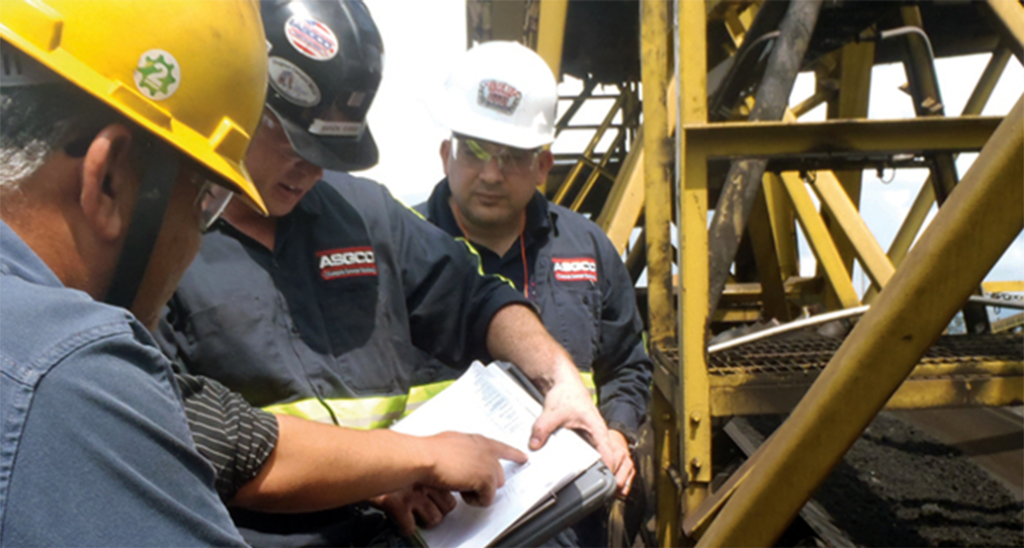
Daily inspections, carried out at the start of each shift, involve checking belt tracking, listening for unusual noises, and verifying the functionality of safety devices. Weekly maintenance tasks include cleaning spilled material, inspecting idlers and rollers, and checking belt cleaners and scrapers.
Daily inspections at start of shift. CREDIT: ASGCO.
John Smith, a maintenance engineer at a leading bulk handling facility, commented, "Regular lubrication and thorough inspections of critical components can significantly extend the life of our conveyor systems and prevent costly breakdowns."
The schedule progresses to more detailed monthly, quarterly, and semi-annual maintenance activities, culminating in a comprehensive annual review. Sarah Johnson, a conveyor systems specialist, explained, "The annual review is crucial for assessing the overall health of the system. It's an opportunity to make major repairs, update safety protocols, and plan for future improvements."
ASGCO's maintenance plan also emphasizes the importance of documentation and continuous improvement. All maintenance activities must be recorded in a computerized maintenance management system, allowing for trend analysis and the potential transition from time-based to predictive maintenance strategies.
Industry experts have praised the comprehensive nature of the maintenance schedule. "This approach to conveyor maintenance is exactly what the industry needs," said Mark Thompson, a bulk materials handling consultant. "By addressing all aspects of the system at appropriate intervals, facilities can significantly reduce downtime and improve overall operational efficiency."
The implementation of this maintenance schedule is expected to have a positive impact on bulk material handling operations across various industries. As facilities adopt these practices, they are likely to see improvements in safety records, equipment reliability, and long-term cost savings.
As the industry continues to evolve, ASGCO's maintenance schedule is designed to be adaptable. Regular reviews and updates based on operational data and emerging technologies will ensure that it remains relevant and effective in the face of changing industry demands and equipment innovations.
Comments