The Impact Assessment Agency of Canada and the Canadian Nuclear Safety Commission have launched public consultations for the proposed deep geological repository project that would store Canada's used nuclear fuel underground in northwestern Ontario.
The agencies are conducting an integrated assessment of the Nuclear Waste Management Organization's proposal to build the repository 21 km southeast of the Wabigoon Lake Ojibway Nation and 43 km northwest of Ignace, Ontario. The facility would represent Canada's long-term solution for safely containing and isolating radioactive waste from the country's nuclear power plants.
Officials invite Indigenous nations, communities and the public to review two key planning documents through May 10, 2026. The draft integrated tailored impact statement guidelines outline specific factors assessors will consider and direct the Nuclear Waste Management Organization on required studies and information for its impact statement and licence application. The draft public participation plan explains how the public will participate throughout the review process, including timing and methods for engagement during each assessment phase.
The project requires an integrated impact assessment because it must satisfy both the Impact Assessment Act and the Nuclear Safety and Control Act. The agencies are collaborating to achieve "one project, one review" efficiency.
Project background and significance
The deep geological repository represents a critical component of Canada's nuclear waste management strategy. The Nuclear Waste Management Organization selected the Ignace area in 2020 after a decade-long site selection process that evaluated geological stability, community acceptance and transportation logistics across Canada.
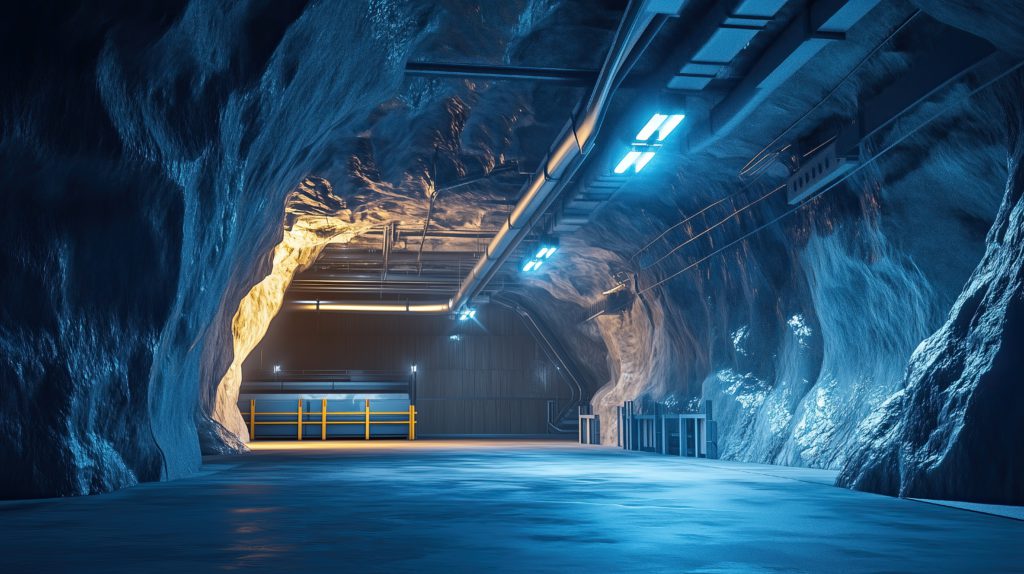
According to the Nuclear Waste Management Organization's technical assessments, the proposed site features stable sedimentary rock formations that have remained geologically inactive for hundreds of millions of years. The repository would be constructed approximately 500 metres underground in these formations, which scientists consider ideal for long-term radioactive waste isolation.
Canada currently stores used nuclear fuel in interim facilities at reactor sites across the country. The Canadian Nuclear Association reports that Canada's nuclear power plants have generated about 2.9 million used fuel bundles since operations began, with the inventory growing by roughly 90,000 bundles annually.
International precedents support deep geological disposal as the preferred method for high-level radioactive waste management. Finland's Onkalo repository, which began operations in 2023, demonstrates the feasibility of deep geological storage. Sweden has received regulatory approval for a similar facility, while several other countries including France, Switzerland and the United Kingdom are developing comparable projects.
Public consultation process
Citizens can submit comments online through the Canadian Impact Assessment Registry using reference number 88774, where the draft documents are also available. The agencies have distributed printed copies to nine locations across the region, including municipal offices and libraries in Ignace, Dryden, Sioux Lookout and Thunder Bay.
The consultation period closes at 11:59 p.m. on May 10, 2026. All submitted comments will become part of the public project file and will be published online. Participants preferring alternative submission formats can contact the Impact Assessment Agency at NuclearWaste-DechetsNucleaires@iaac-aeic.gc.ca.
Information sessions scheduled
The agencies have scheduled multiple information sessions to explain the project, assessment process and comment submission procedures. In-person sessions will occur April 19-22 in Thunder Bay, Dryden, Ignace and Melgund Township, with presentations and question-and-answer periods.
Virtual sessions via Zoom are planned for April 14 from 7:30 p.m. to 8:30 p.m. Eastern Time and April 16 from 1:00 p.m. to 2:00 p.m. Eastern Time. The agencies will provide French-language virtual sessions upon request.
Session details and registration information are available on the project homepage within the Canadian Impact Assessment Registry. Additional questions can be directed to the project email address.
The public consultation represents the first formal opportunity for community input on the assessment framework that will guide the comprehensive environmental, health, safety and socio-economic evaluation of this nationally significant infrastructure project.

Comments