Canada’s mining sector holds strong promise, but it must tackle several workforce challenges to sustain growth, says the Mining Industry Human Resources (MiHR) Council.
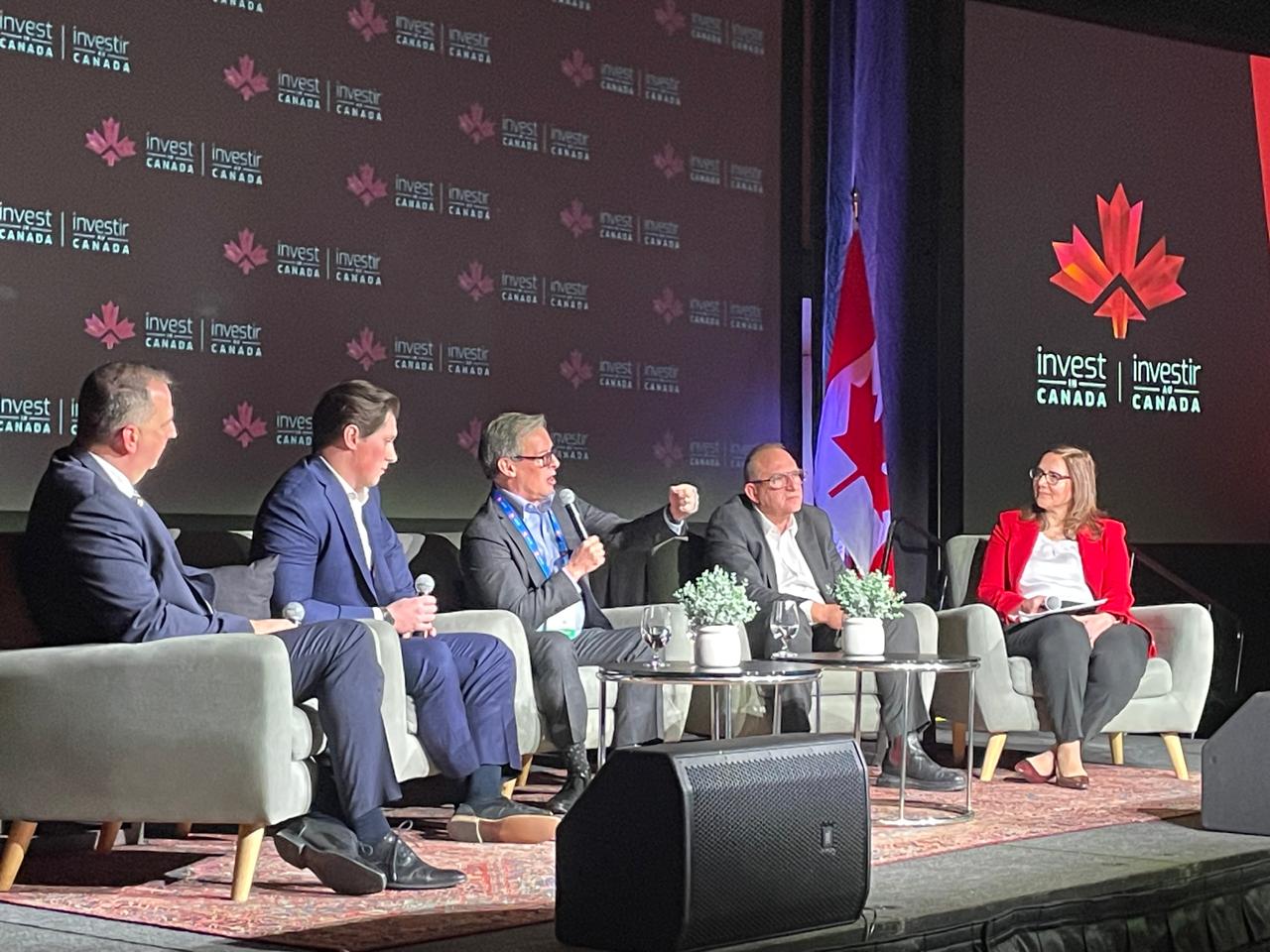
Gustavo Jurado, MiHR’s senior labour market economist, shared that assessment at a MineConnect mini-forum on Oct. 21, part of the Modern Mining and Technology Sudbury events. Northern Ontario Business reported on the comments.
MiHR is an independent non-profit that partners with industry stakeholders to analyze workforce and labour issues in mining.
Right now labour conditions favour employers, Jurado said, largely driven by high commodity prices.
Roughly 100,000 Canadians are employed in mining and quarrying, and another 85,000–95,000 work in mining supply and services — both record highs. Yet the available workforce hasn’t expanded to match demand.
“Unemployment rates are historically low, which is a sign that employers are starting to exhaust their labour pools,” Jurado said.
He noted Canada’s overall unemployment is about seven percent, but in mining and quarrying it has ranged from four percent to under one percent over the past four years — an extremely low level. “This is pointing to chronic labour shortages,” he added, meaning employers face barriers when recruiting the workers needed for growth.
Global shifts toward low-carbon energy will increase demand for critical minerals that Canada supplies, Jurado said, boosting employment prospects further.
With Ontario’s new one project, one process framework and the federal Critical Minerals Strategy, MiHR expects employment to rise even more. Over the next decade, MiHR projects mining jobs could increase by 3–25 percent. At minimum, the sector will need to hire about 191,000 workers to cover new roles, retirements and turnover; in a combined recession-and-expansion scenario that need rises to 256,000.
“These are large numbers of skilled workers we’ll need to hire,” Jurado said, stressing the need to prepare now to avoid deeper shortages.
Several hurdles must be cleared. The workforce is aging and the share of workers under 25 has dropped from 12 percent to six percent in 35 years. Mining is not appealing to many young people, who in a recent poll described it as “hard,” “dangerous,” “dirty,” and associated with “pollution.” Two-thirds of those aged 15–30 said they would not or definitely would not work in mining; only 16 percent said they would or definitely would.
“If we want the next generation to fill retiring roles, we must convince them that mining is an option,” Jurado said.
Postsecondary institutions aren’t keeping pace with industry needs. Fewer than 2 percent of engineering students enter mining-related streams; most choose mechanical, civil or electrical paths. Since nearly 70 percent of mining workers now have postsecondary education, weaknesses in the education pipeline directly affect employers.
The sector has also underutilized key talent pools: women (10–20 percent of the workforce), immigrants (about 8 percent), and Indigenous workers — though Indigenous representation has grown to roughly 11 percent from about four percent in 2007.
Rapid technology adoption presents another challenge. Electrified haul trucks, remote operation, IoT and AI boost productivity but require specialized skills the industry lacks. Jurado said both employers and postsecondary institutions share responsibility: companies must upskill current staff and coordinate with schools so new graduates have relevant competencies.
MiHR is researching how technology, innovation and AI are changing skill needs, adoption rates among firms, and which workers are most vulnerable; findings will be released within a year.
To mitigate labour pressures, MiHR has launched initiatives such as wage subsidies, co-op placements, youth outreach, skills recognition, and training programs, available through its website.
Modern Mining and Technology Sudbury is a weeklong campaign promoting mining’s benefits in the Sudbury region; this year’s activities conclude Oct. 24.


Comments