The mining industry faces mounting pressure to meet accelerating demand for critical minerals, but regulatory delays and operational constraints continue to hamper the sector's response capability. This challenge has prompted serious concerns from industry leaders about potential supply deficits in the coming years.
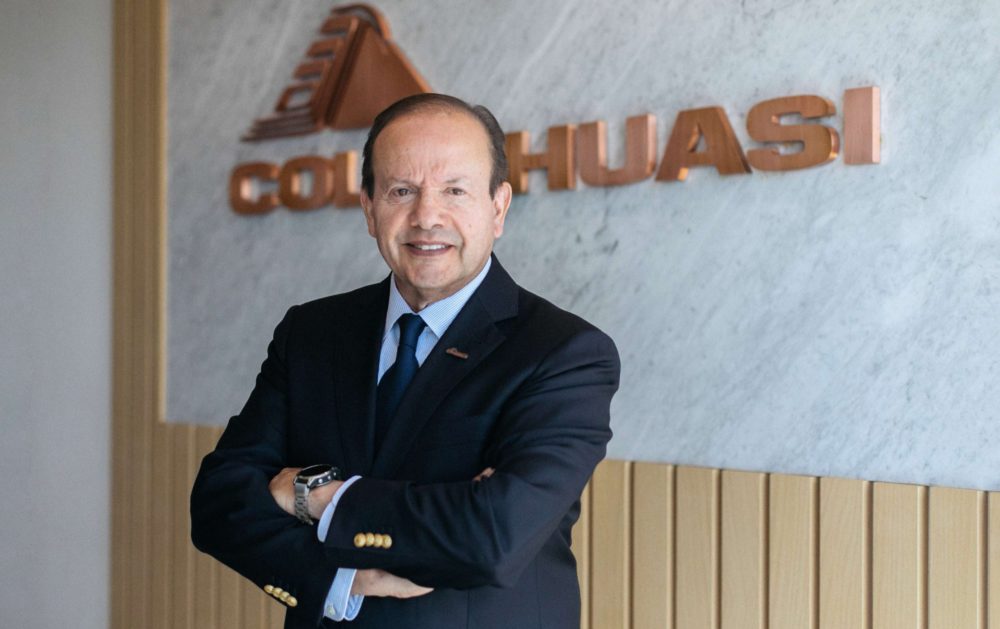
Jorge Gómez, CEO of Compañía Minera Doña Inés de Collahuasi, outlined these pressing issues during a recent interview with the Peruvian Institute of Mining Engineers (IIMP)
Gómez expressed particular concern about the trajectory of supply and demand dynamics in the copper market.
"I wouldn't go as far as saying demand will surpass supply, but it will certainly put pressure on it. And it may become a deficit that increases over time," he observed.
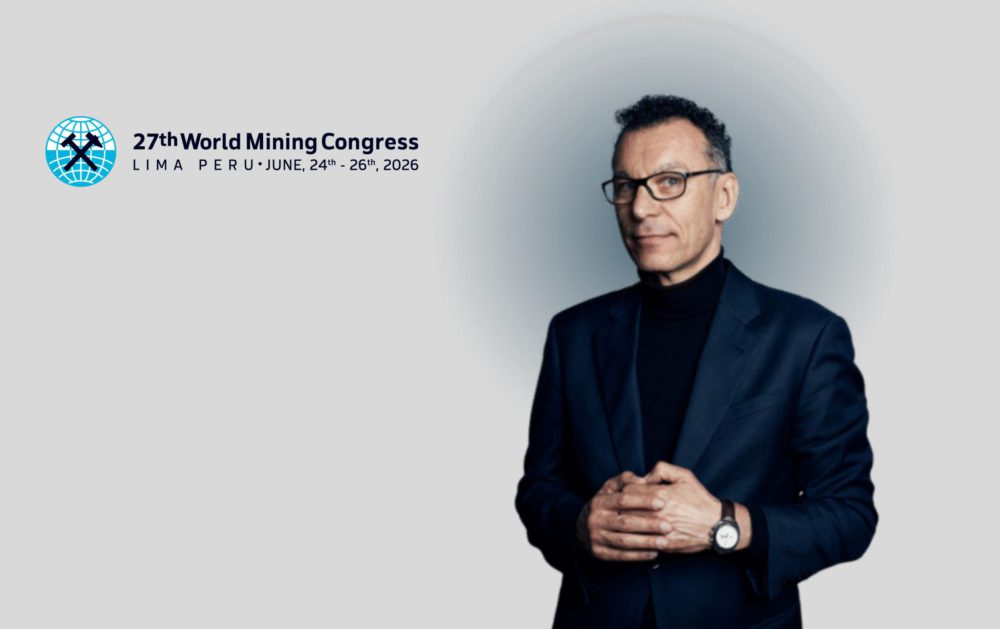
Gómez will address these concerns when he speaks at the upcoming World Mining Congress 2026.
Industry seeks strategic solutions
Gómez plans to explore these multifaceted challenges during his participation in the World Mining Congress 2026. He will contribute to the panel discussion on "Existing and emerging risks that could disrupt the value chain."
The congress, scheduled for June 24-26 at the Lima Convention Center, brings together industry professionals to address the sector's most pressing issues. The event provides a platform for developing strategic approaches to mining's supply and demand challenges.
For industry participants, the conference represents an opportunity to engage in substantive discussions about solutions that could help the mining sector better respond to evolving market demands.
Drawing from his extensive experience in Chile's copper sector, Gómez emphasized the inherent limitations of mining supply chains. The industry's long-term operational cycles make it difficult to respond quickly to market fluctuations.
"We are slow to react and belong to an industry that operates with a long-term perspective," Gómez explained during his discussion with the IIMP.
Growing demand outpaces industry response
The mining executive highlighted a concerning disconnect between rapidly expanding demand and the industry's capacity to increase production. Electrification trends and technological advancement continue to drive mineral consumption higher, creating potential supply pressures.
The CEO emphasized that regulatory reform represents a critical component of addressing these challenges. Both Peru and Chile, despite their status as leading copper producers, struggle with permitting delays that slow project development.
"Peru and Chile, two of the world's largest copper producers, face the same challenge. We need permitting timelines established by law to be met," he emphasized.
Operational costs rise amid geopolitical tensions
Beyond regulatory hurdles, Gómez identified several operational factors that compound the industry's challenges. Geopolitical developments have significantly increased input costs across mining operations.
"Today, for example, we are seeing fuel costs increase by around 25% to 30%," he reported.
The mining leader also pointed to capacity constraints in human resources and technical expertise. These limitations affect the industry's ability to execute multiple large-scale projects simultaneously.
"In Chile, we are already seeing a shortage of labor and engineering capabilities," Gómez stated. He noted that past instances of resource scarcity have led to project cost overruns and schedule delays.
Prospective Congress attendees can register at www.Wmc2026.org


Comments