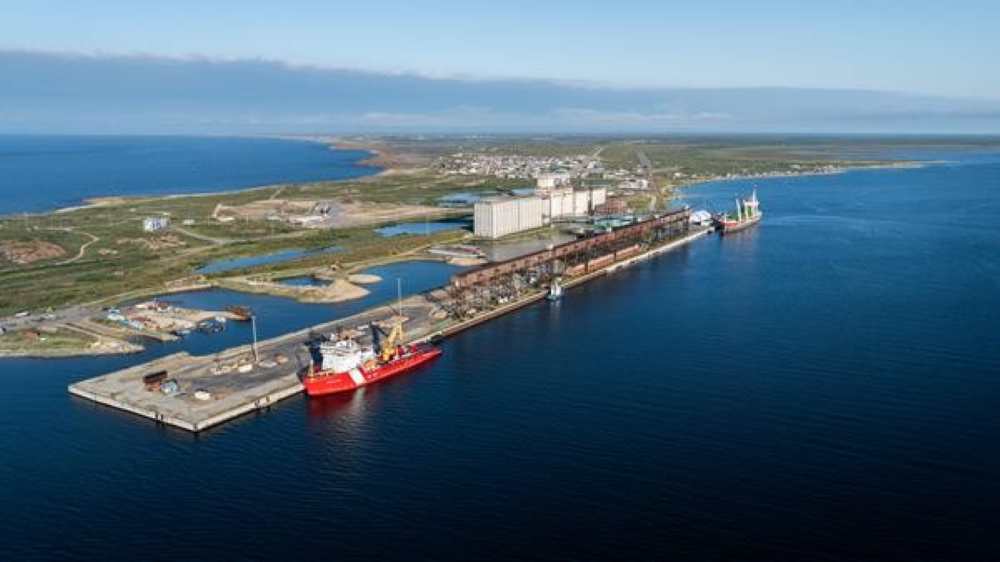
The federal and Manitoba governments are ramping up investment in the Port of Churchill expansion, positioning it as a key hub for mineral exports and northern infrastructure development. This increased funding, now totaling $262.5 million, aims to transform Churchill into a strategic trade corridor for Canada's mining industry.
Prime Minister Carney and Manitoba Premier Kinew announced their coordinated efforts to complete planning and design for the expanded port and associated projects by spring 2026. This initiative, dubbed "Port of Churchill Plus," could receive fast-track approval as a project of national interest, potentially streamlining development for mining companies looking to export through the region.
A significant portion of the new funding includes $51 million from Manitoba earmarked for improvements to the Hudson Bay rail line and the construction of a critical minerals storage facility in Churchill. This development directly supports the mining sector by enhancing transportation infrastructure and creating dedicated storage for mineral exports.
The federal government is also funding a feasibility study on deploying specialized icebreakers and vessels to extend the port's short shipping season. This could provide mining companies with a longer window for transporting their products to global markets.
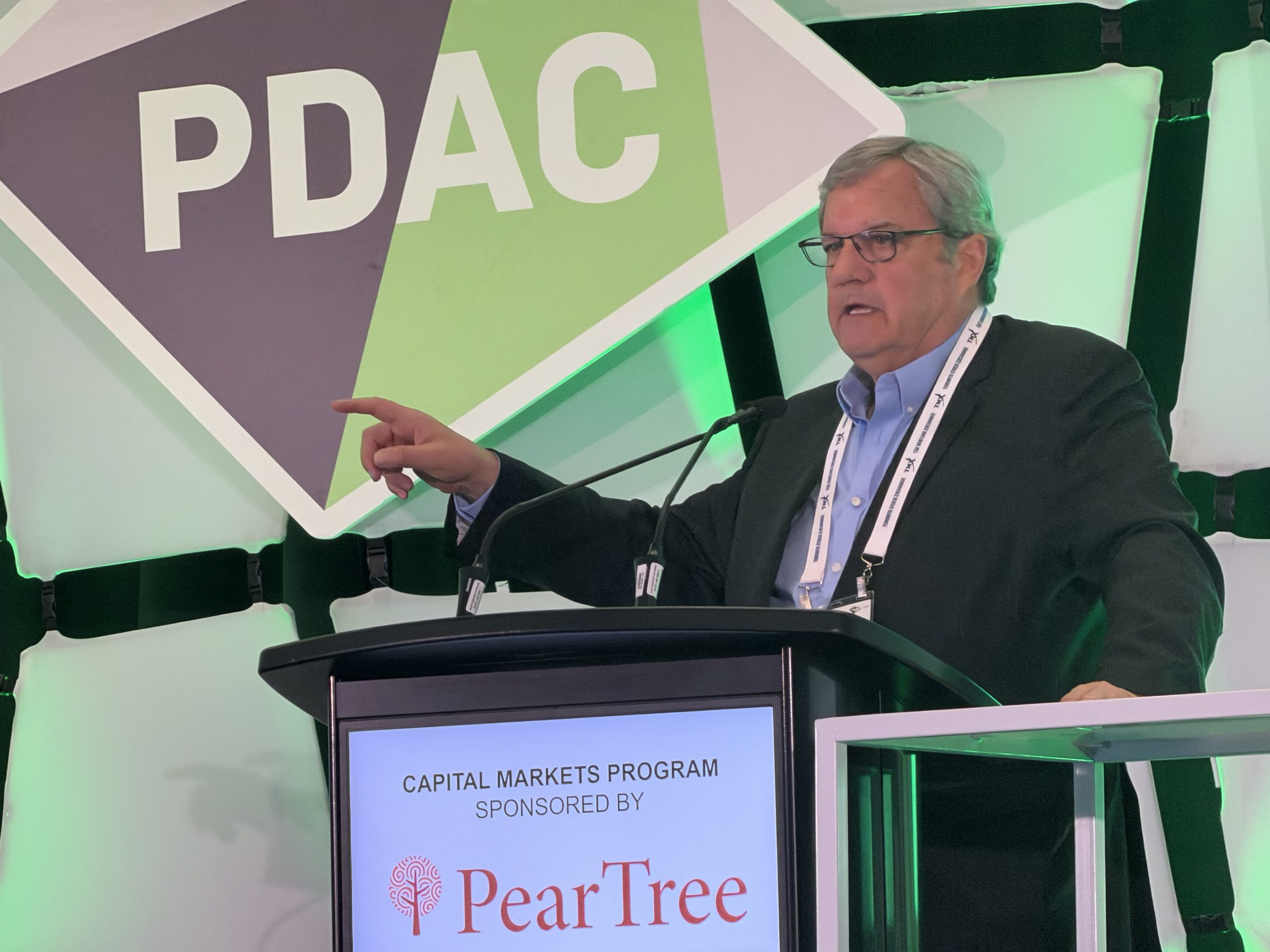
In an interview with the Globe and Mail, Arctic Gateway Group CEO Chris Avery expressed enthusiasm for the increased funding, noting it will help modernize operations and prepare for expanded trade opportunities. This could translate to improved efficiency and capacity for mining companies utilizing the port.
The expansion of Churchill as an export hub aligns with Canada's strategy to diversify its trade routes and reduce dependence on U.S. markets, especially in light of recent trade tensions. For the mining industry, this presents an opportunity to access new markets more directly through northern shipping routes.
While specific details of additional "Port of Churchill Plus" projects are yet to be revealed, previous discussions have mentioned the possibility of an energy corridor and improved connectivity to Nunavut. These developments could further benefit mining operations in Canada's north by enhancing energy access and communication infrastructure.
This significant investment in Churchill's port and associated infrastructure underscores the government's professed commitment to developing Canada's northern regions and supporting critical industries like mining. As the project progresses, it has the potential to reshape trade dynamics for Canadian mineral exports and strengthen the country's position in global markets.




Comments