New Brunswick seeks antimony mine partners
The New Brunswick government put out a call on March 24 for private companies interested in exploring the old Lake George antimony […]
CREDIT: Adobe Stock
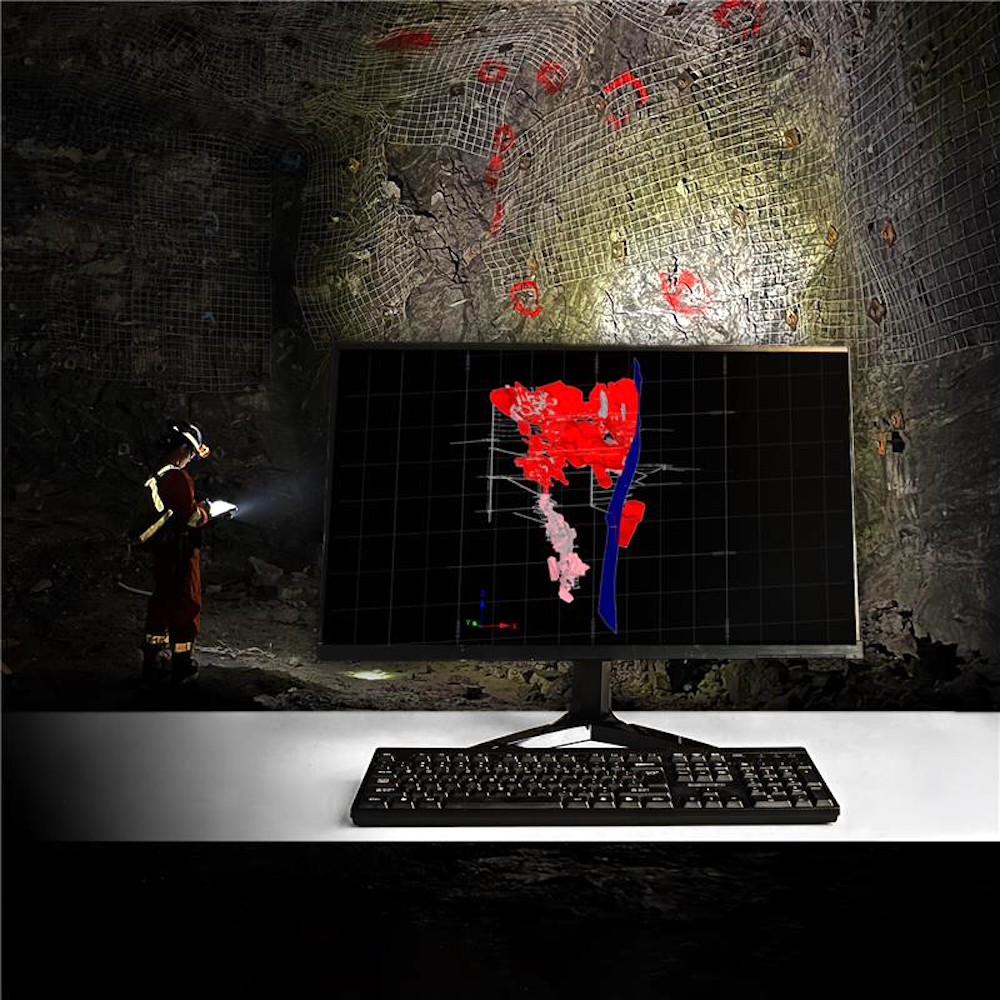
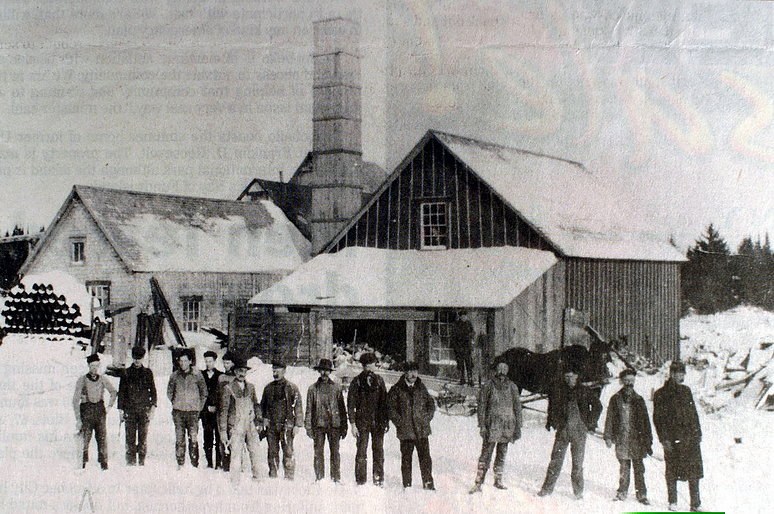
The New Brunswick government put out a call on March 24 for private companies interested in exploring the old Lake George antimony mine, hoping to breathe new life into a site that sits about 30 km southwest of Fredericton.
The property holds known antimony deposits along with potential tungsten and molybdenum reserves. Provincial officials see this as a chance to tap into domestic sources of minerals that have become increasingly important on the world stage.
"In today's economic and geopolitical climate, the need for secure, responsibly produced critical minerals has never been greater," Natural Resources Minister John Herron said. "New Brunswick is well positioned to meet that demand by attracting investment, supporting responsible development, and strengthening partnerships with Indigenous communities to create long-term economic benefits for New Brunswickers."
Back in its heyday, Lake George earned the distinction of being North America's biggest primary antimony operation. Those days are long gone, but what remains underground tells an interesting story. A technical report from years past suggests roughly 800,000 tonnes of antimony-bearing ore still sits beneath the surface.
With antimony trading at around $22 per pound these days, that translates to somewhere between $933 million and $1.05 billion worth of material. Those numbers have caught the attention of government planners working on the province's fresh minerals strategy.
The push fits into New Brunswick's broader goal of becoming a go-to supplier when other countries need reliable sources of essential materials.
Three major players – Canada, the United States, and the European Union – have all put antimony on their critical minerals lists. There's good reason for that designation, given how much the modern world depends on this particular element.
China controls most of the world's antimony production right now, which makes Western nations nervous about supply security. The mineral shows up in flame-retardant materials for clothing and plastics, helps lead-acid batteries work better, and plays a crucial role in making semiconductors.
Military equipment relies heavily on antimony too. You'll find it in ammunition, night vision gear, and the sensors that detect infrared radiation. As countries push harder into renewable energy and electric vehicles, antimony becomes even more valuable since it improves battery safety and performance.
The government isn't making any promises yet. This expression-of-interest stage doesn't hand out mineral rights to anyone. Companies that want to move forward will need to negotiate proper exploration agreements down the road.
When evaluating submissions, officials plan to look at several key factors. Technical know-how matters, as does financial strength. But the province also wants to see genuine commitment to working with Indigenous communities in meaningful ways.
Any company that gets selected will need to show how their work benefits New Brunswick residents over the long haul. Plus, everything they do has to go through the province's regular environmental and regulatory review process.
Companies can find submission details on the Department of Natural Resources website. The competitive approach aims to find developers who can take the project from early exploration through to actual production.
Lake George represents just one piece of New Brunswick's effort to build a more diverse resource economy while helping solve global shortages of critical materials. Provincial leaders view this as a way to bring in substantial investment while creating jobs around the Fredericton area.
The timing makes sense given how much attention critical minerals are getting across Canada. Federal and provincial governments want to reduce reliance on foreign suppliers for materials that affect both national security and economic competitiveness.
If everything works out at Lake George, the New Brunswick government has said it believes the province could potentially become a major North American antimony supplier while giving the province's mining sector a significant boost.
March 25, 2026
Comments