Developers of the Sisson mine in central New Brunswick are now offering First Nations an ownership stake in the project. This move represents a potential shift from the original deal, which primarily involved royalties. Keith Chiasson, New Brunswick’s Indigenous Affairs Minister, recently informed reporters that this new offer aims to modernize the existing agreement, according to a report in The Daily Gleaner.
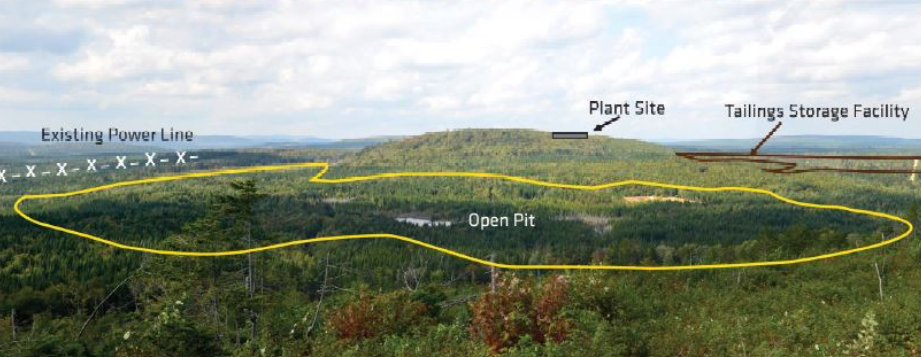
The mine projects 500 construction jobs and 300 long-term full-time jobs in an economically challenged region. The mine plans involve extracting tungsten and molybdenum and processing them on-site. Prime Minister Mark Carney recently identified Sisson as a "nation-building" project, a designation that could facilitate Northcliff’s efforts to secure investors by signaling federal support.
The original 2017 deal between the provincial government and six Indigenous communities along the St. John River primarily focused on royalties. This arrangement predates the Wolastoqey Nation’s significant title claim covering more than half of New Brunswick, including the Sisson Brook area, approximately 100 kilometers northwest of Fredericton. Northcliff Resources, the Vancouver-based developer, is considering this more lucrative equity stake.
Chiasson noted, "We did have a chance talk with the proponent, and there is an openness to kind of modernize the accommodation piece. Obviously, when it was negotiated, you know, 2015, equity kind of wasn't part of the mix. It was more about royalties. So, there is an openness to offer them that."
While six chiefs initially signed the 2017 deal, some harbored discomfort with the arrangement, and community members actively protested the decision. Some Wolastoqey members established a protest encampment in the proposed mining area for several years.
In 2023, protesters from Woodstock First Nation, the community closest to the site, temporarily halted preparatory work until a court injunction intervened. Chiasson emphasized that Northcliff bears the responsibility for addressing these community concerns.
The first Nation chiefs, on their part, seek assurances that Northcliff will adhere to the 40 stipulations outlined in the environmental impact assessment. The minister stated, "We've been very clear as a government that there needs to be an openness and transparency on the steps that need to be taken in order to move the project forward." He placed the onus on Northcliff CEO Andrew Ing, who recently met with Premier Susan Holt, to present a communication plan for engaging with the community and grandmothers. "He's got to lay out a plan on how he plans to communicate with the community, grandmothers and things like that, so we're kind of waiting to see that, and then hopefully he kind of, you know, goes through with it," Chiasson added.
The 2015 environmental impact assessment originally mandated that the mine’s operation commence within five years. However, the Progressive Conservative government under Blaine Higgs extended this deadline by another five years in 2020. Earlier this month, Liberal Environment Minister Gilles LePage granted yet another extension, effective December 3 and valid until 2030. LePage noted that Northcliff still needs to fulfill 28 of the 40 conditions before construction can begin.
David Coon, leader of the Green Party of New Brunswick, opposes the mine's construction unless Northcliff commits to dry stacking tailings instead of using a toxic pond. Coon argued against granting any further extensions, citing unfulfilled conditions. "The company was supposed to produce some modelling on worst-case scenario, what would a dam break at the tailings pond do to the Nashwaak watershed, and that's not been provided, that's not been completed and made public, and that is one of the biggest issues that people have with this project," Coon explained.
Coon believes the environmental impact assessment requires a complete restart, despite the Prime Minister's "nation-building" designation for Sisson. He highlighted changes in best practices and technologies for open-pit mining operations over the last decade, particularly for low-grade ore, and stressed the need to consider climate change impacts.


Comments