Are your mining operations automated? Navigating Canada’s evolving regulatory landscape
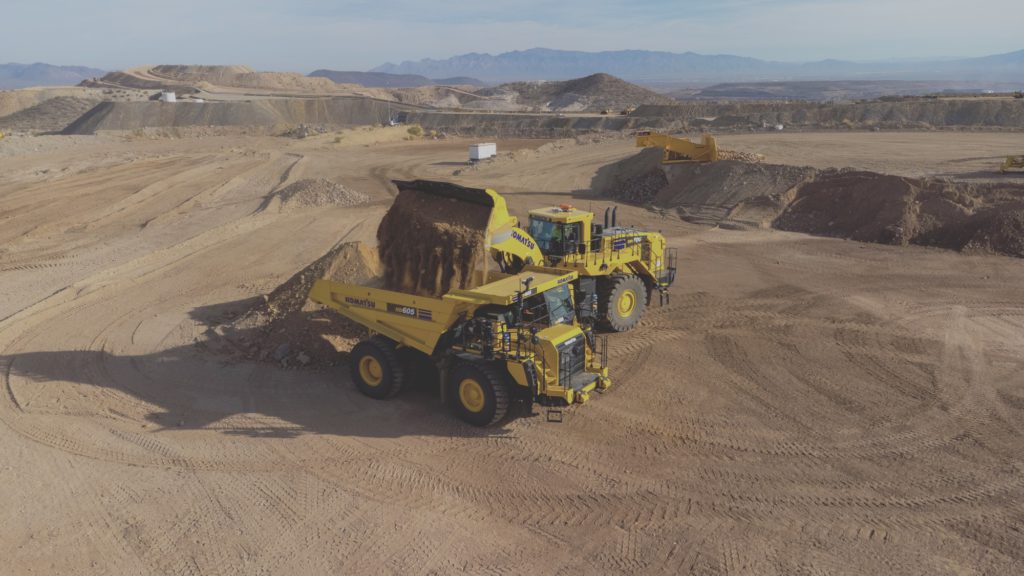
The deployment of autonomous systems in the Canadian mining sector reflects the industry’s continued evolution from technological developments. While such systems (including automated trucks) can offer improvements in efficiency and productivity, the introduction of this technology requires navigation of a developing regulatory framework that varies across provincial jurisdictions. Understanding evolving regulatory and compliance requirements is essential for mining companies seeking to implement automated technology.
Automation and emerging regulatory considerations
The mining industry in Canada has started to embrace automation as a productivity enabler, recognizing it as a factor in improving the efficiency and sustainability of certain mining methods (Global Mining Guidelines Group, Guideline for the Implementation of Autonomous Systems in Mining, 2024). While recent estimates indicate that less than 3% of mobile mining equipment is currently autonomous, we can expect this proportion to increase, and numerous original equipment manufacturers are now offering automated solutions in the mining sector, including mining trucks, haul loaders and drills (CS Group/Mining Sector, Position Paper: Evolution of the mining sector through autonomous systems, 2025).
One of the key benefits of autonomous systems is the reduction of extensive human presence in hazardous operational areas while increasing production efficiencies. Ensuring the safety of these systems, however, remains a paramount concern for both mining operators and government regulators, as there is the potential for evolving risks, including cybersecurity and data privacy concerns, system configuration and reliability issues, and new categories of human-machine interactions.
Consequently, existing regulatory regimes, including occupational health and safety requirements targeting manually operated equipment, may be inconsistent with the functionality of autonomous operations. Regulations that refer to drivers, for example, may not directly apply to autonomous vehicles where the traditional role of a driver is replaced by an automated control system. Because these regulations were not originally drafted with autonomous equipment in mind, additional regulatory considerations may need to be considered and applied.
British Columbia’s regulatory framework
British Columbia has developed an autonomous mining regulatory regime through its Health, Safety and Reclamation Code for Mines in British Columbia. Section 6.18.3 of the code requires mining operations to submit an Autonomous Mining Project Management Plan (AMPMP) to the chief inspector of mines appointed by the Minister of Mining and Critical Minerals, prior to using autonomous or semi-autonomous tracked or rubber-tired mobile equipment. The code also requires safe work procedures for access to autonomous operating areas, clearing and restarting operations and switching equipment between autonomous and manual modes. Persons who enter commands into an autonomous system must do so in a manner that ensures safe operation and that the system can maintain full control of the equipment.
Each AMPMP is required to be prepared by a qualified professional and must contain detailed elements including a comprehensive risk assessment, health and safety plans, project milestones, system functionality descriptions, commissioning plans, maintenance and inspection protocols, training programs and emergency response procedures. The office of the chief inspector leads the AMPMP review process, designating a project manager supported by an advisory committee of ministry specialists who assess each application for accuracy, relevance and adherence to code requirements. Material changes to operational use, such as adding new autonomous technologies, changing system builders or transitioning from segregated to co-mingled operations, require an updated AMPMP submission.
The B.C. Guideline for Safe Mobile Autonomous Mining, prepared by the Emerging Technology and Automation sub-committee, provides further guidance on the AMPMP submission process. The guideline also references international standards that may apply to autonomous systems, including ISO 17757 for autonomous and semi-autonomous machine system safety and ISO 12100 for machinery risk assessment and risk reduction, which companies may wish to consider when designing their autonomous systems.
While B.C. currently has the most developed regulatory regime overseeing automated mining technology, other provinces in Canada, including Alberta and Ontario are following suit. Companies seeking to implement automated mining technology in Alberta are subject to approval by the provincial director of the Occupational Health and Safety Code. Ontario’s approach to automated technology in the mining sector does not currently feature a standalone autonomous regulatory code or set of guidelines. Instead, Ontario’s framework applies through the province’s Occupational Health and Safety Act, with autonomous systems captured by general duties and recently modernized provisions. Consequently, companies involved in the mining sector in Ontario should engage proactively with the Ministry of Labour, Immigration, Training and Skills Development to clarify how existing requirements may apply to their autonomous operations and anticipate any forthcoming regulatory developments.
Takeaways
Companies involved in mineral exploration and development in Canada should recognize that existing regulatory frameworks may not fully address their plans for autonomous systems, and early engagement with government bodies will be essential to understand regulatory requirements and to help identify potential gaps in compliance. As autonomous mining technology continues to advance, Canadian regulators may begin to modernize frameworks to ensure that worker safety and environmental compliance are protected.
Robin Longe is a partner in Dentons Canada’s Corporate group and national co-leader of the Mining group. Maria Pacheco is an associate in Dentons Canada’s Corporate group. Justine See-Fernandez is an articling student in Dentons’ Vancouver office.
The authors would like to thank Greg McNab and Dan Collins for their contributions to this article.
Related Posts

TNM reveals latest bonus prize Treasure Hunt clue
September 30, 2026
TNM reveals latest bonus prize Treasure Hunt clue
Gold refining goes electric
September 30, 2026
Gold refining goes electric
Montage pours first gold at Koné ahead of schedule
September 29, 2026
Montage pours first gold at Koné ahead of schedule
Mining Forum: Miners have cash but lack the crews
September 29, 2026
Mining Forum: Miners have cash but lack the crews
Troilus nails down US$850 million for gold-copper mine redevelopment
September 28, 2026
Comments