Muon imaging brings decision-grade intelligence to exploration and mine operations
Mining companies are looking beyond conventional exploration tools as deposits become deeper, lower grade and harder to evaluate and recover. Ideon Technologies is using muon tomography to give geologists a clearer, three-dimensional view of the subsurface before committing more capital to drilling and development.
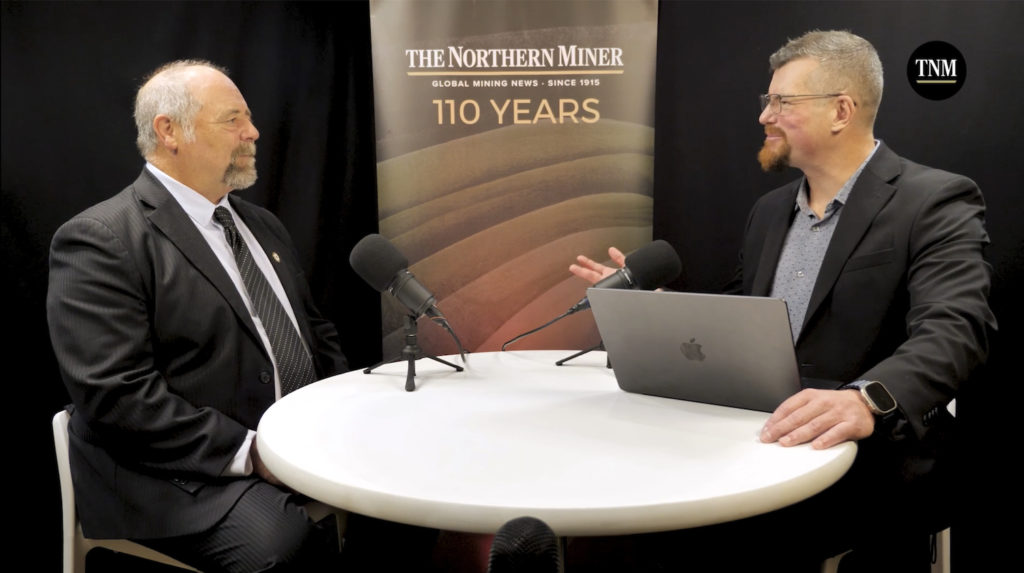
In an interview with Canadian Mining Journal, Ideon co-founder and CEO Gary Agnew explained how the Ideon REVEAL subsurface intelligence platform combines naturally occurring subatomic particles called muons with rugged sensors, artificial intelligence (AI) and geological data. The aim is not to replace drilling, he said, but to reduce uncertainty and help companies decide where to drill, what to develop and how to operate more efficiently.

“The analogy I often use is medical imaging,” Agnew said. An X-ray passes through the body, loses energy as it travels through dense matter and creates a two-dimensional density image on a detector. Multiple images from different perspectives (such as those captured in a CT-scan) can then be combined into a three-dimensional reconstruction. Muon tomography works on a similar principle but using naturally occurring cosmic energy and imaging at the scale of hundreds of millions or billions of cubic metres of rock at once.
“Our technique is completely passive, so there is no harmful radiation involved,” he said. Cosmic-ray muons continually shower the Earth and lose energy as they pass through matter. By measuring their directional intensity as they travel through rock, Ideon can map density variations at depth and produce volumetric models intended to help miners understand orebodies and other geologic anomalies with greater precision.
That added information could shift exploration away from what Agnew described as hit-and-miss drilling. “We are not saying that this removes the need for drilling but rather optimizes it” he said. Drilling remains essential for confirming geology and grade, but improved imaging can focus programs on areas with the strongest economic potential. The value, he added, lies in allocating capital more efficiently and obtaining in months intelligence that might otherwise take years to develop.
Agnew pointed to Fireweed Metals in Yukon Territory as an example. The company had invested more than 50 drill holes in an area of interest during resource development. After Ideon deployed its technology in three drill holes at the same site, the resulting model identified several additional targets. Fireweed drilled those targets and achieved an 80% mineralization hit rate, according to Agnew.
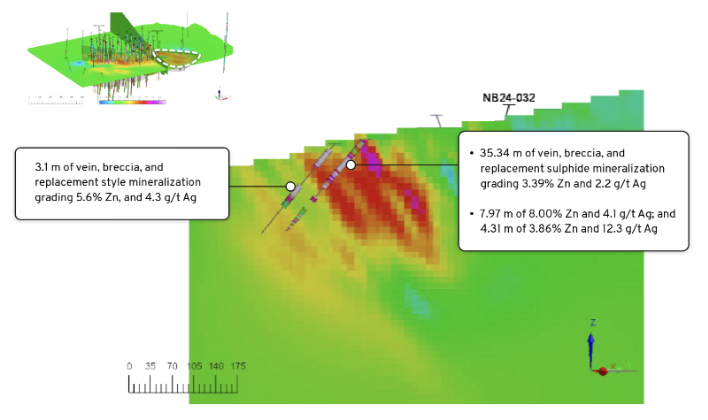
The Ideon REVEAL platform draws on several technologies, including proprietary sensing hardware, integrated imaging systems, AI-powered analysis, quantum sensing and multi-physics data fusion. Agnew said the most important contribution is a new set of high-resolution, high-confidence measured subsurface data. “AI algorithms can query currently available (and often low-resolution) data sets but they are unable to see through a kilometre of rock at metre-scale resolution,” he said. Ideon’s sensors are designed to make that measurement and supply what he called ground-truth data to improve AI analysis and geological models.
Customers do not need to master each component of the technology stack, Agnew added. Ideon’s role is to integrate the hardware, sensing and analysis into practical operational insights. “We call it decision-grade intelligence,” he said, describing information that gives a customer greater confidence about what to do and where to go next.
That capability could also support governments and companies trying to accelerate critical-mineral supply chains. Agnew asked the industry to imagine the effect of advanced geological understanding early in the process: project development, permitting and environmental assessment timelines could all contract. Ideon claims it can deliver substantial improvements in geological understanding that can optimize operational workflows.
“We are in the business of reducing geological uncertainty,” Agnew said. Better subsurface information cannot remove regulatory, financing or engineering challenges, but it can give project teams a stronger foundation for making good decisions. In his view, geological intelligence acts as a catalyst because nearly every subsequent stage depends on the quality of the original geological model.
The need is becoming more pressing in copper, where many near-surface deposits have been depleted and operators increasingly face the challenge of recovering lower-grade resources at depth. Agnew said these conditions are changing mining methods. Block caving currently accounts for about 20% of global copper production and is moving toward almost 40%, he said, as more deep, lower-grade deposits enter development.
Block caves, however, have traditionally offered operators limited direct measurement inside the active caving environment. Ideon is applying their systems to generate measurements that can improve cave models and monitor cave behaviour over time. Agnew said this can help customers “recover more copper, do it more safely and do it in a shorter period of time.” The company’s recent expansion into Chile places it in one of the world’s most important copper jurisdictions as miners confront those depth and productivity challenges.
Over the next decade, Agnew expects mineral discovery and mine planning to become more data-led, with drilling guided by higher-resolution sensing rather than used as the only window into the subsurface. Muon tomography will remain one part of a wider exploration toolkit, but its ability to image large rock volumes passively is already helping companies evaluate targets that were previously overlooked or considered too difficult to assess.
For an industry under pressure to supply more critical minerals while controlling cost, risk and environmental impact, the immediate promise is practical: fewer poorly placed holes, faster learning and better-informed decisions. As deposits move deeper, the capacity to measure what is happening inside the rock will be as important as the ability to reach it.
Watch the full interview here: https://youtu.be/1mqB7If9658?si=UJXeZY6d4hbM7a6e
Related Posts
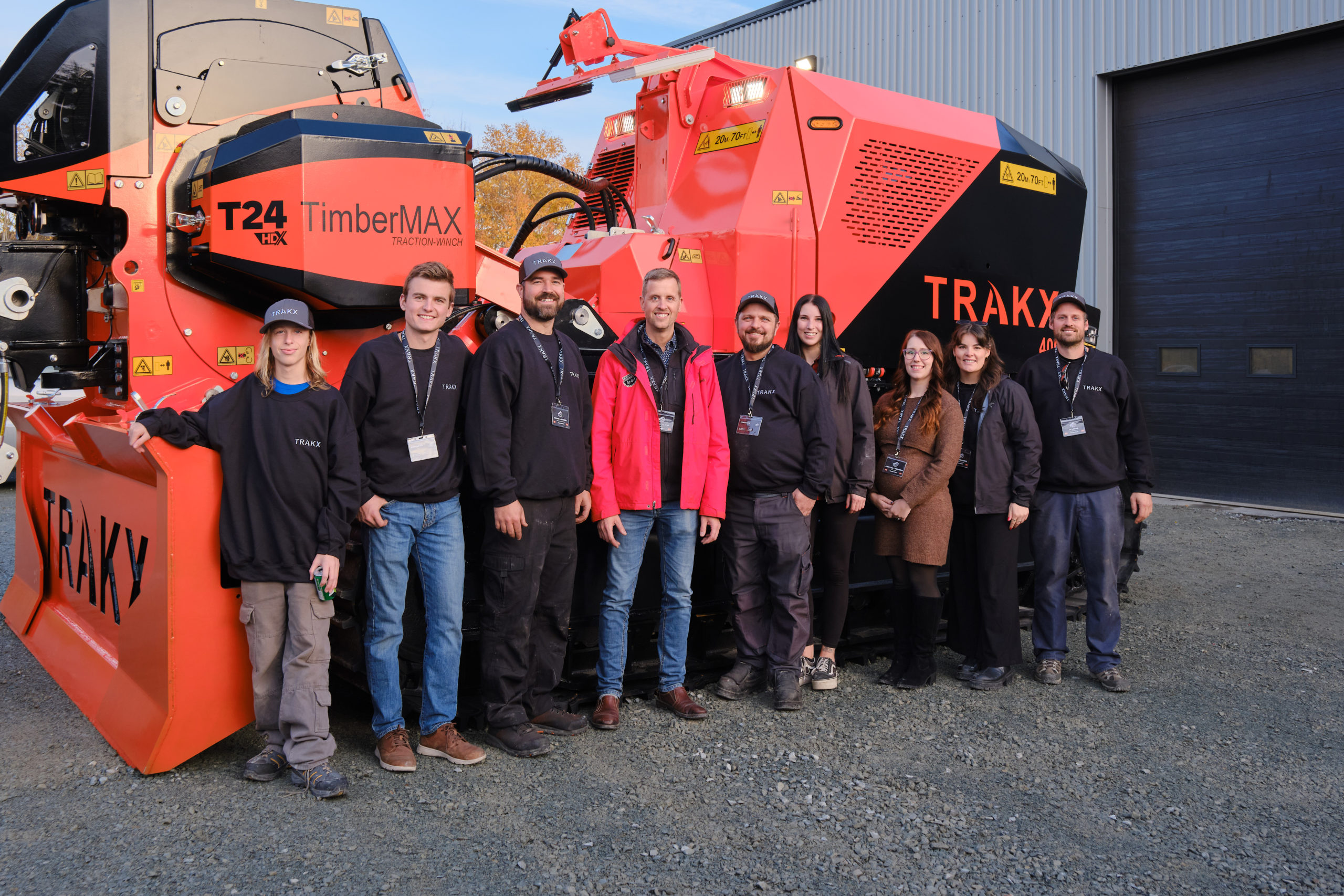
TimberMAX launches TRAKX, remote-controlled mobile equipment
October 20, 2026
TimberMAX launches TRAKX, remote-controlled mobile equipment
Fortune Bay weighs off-site gold production at Goldfields
October 20, 2026
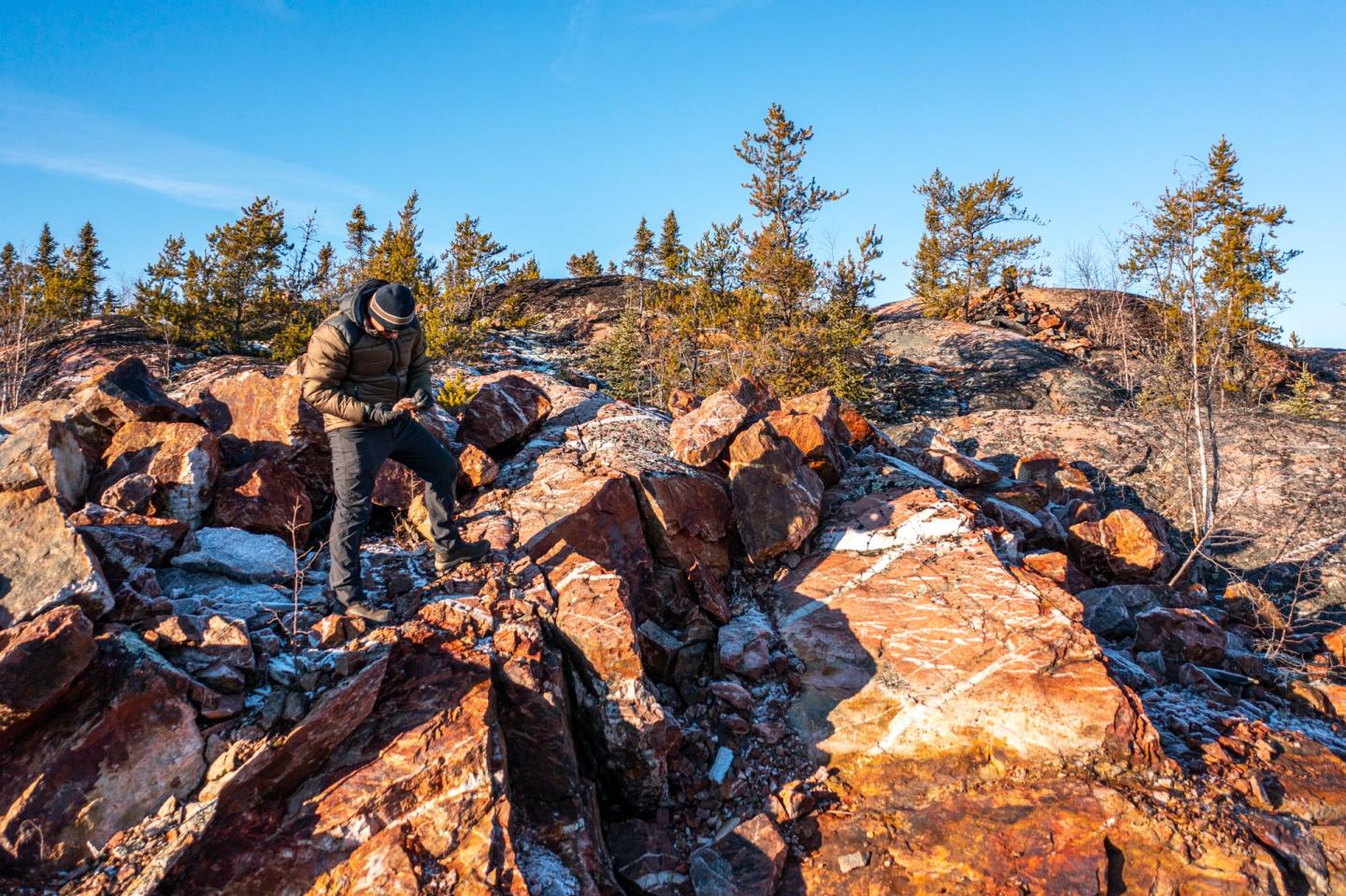
Fortune Bay weighs off-site gold production at Goldfields
Bravo buys Canaã copper property, plans drill program
October 20, 2026
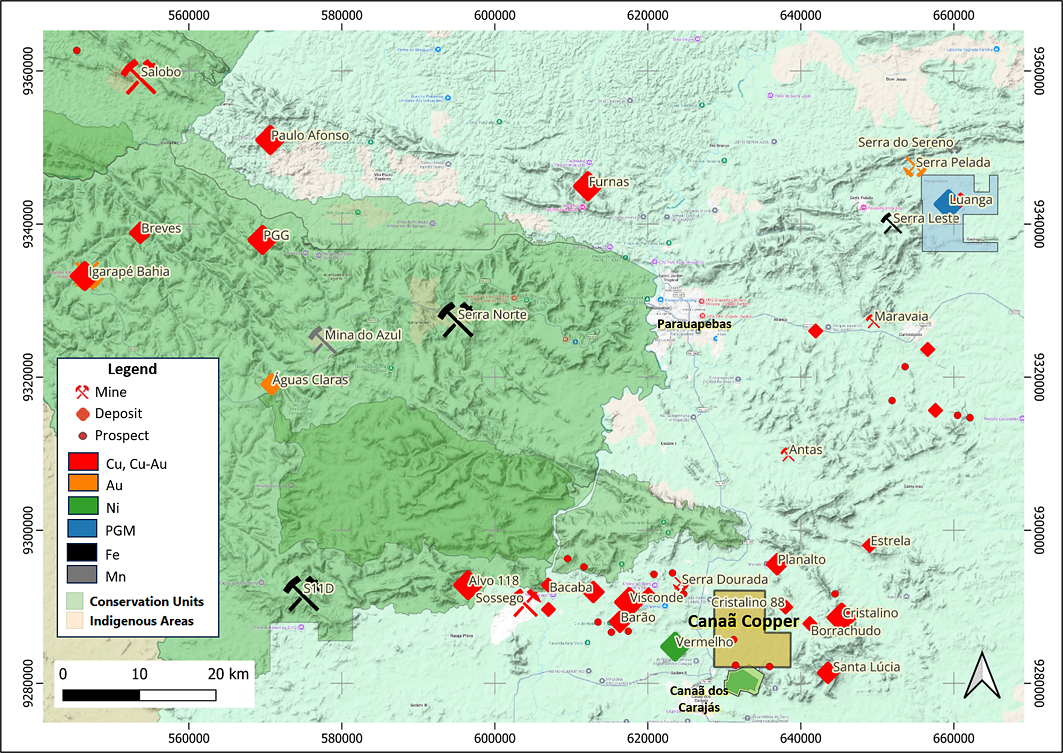
Bravo buys Canaã copper property, plans drill program
Copper surplus masks looming $332B mine shortfall
October 20, 2026
Copper surplus masks looming $332B mine shortfall
Comments