How intelligent video is changing mine safety
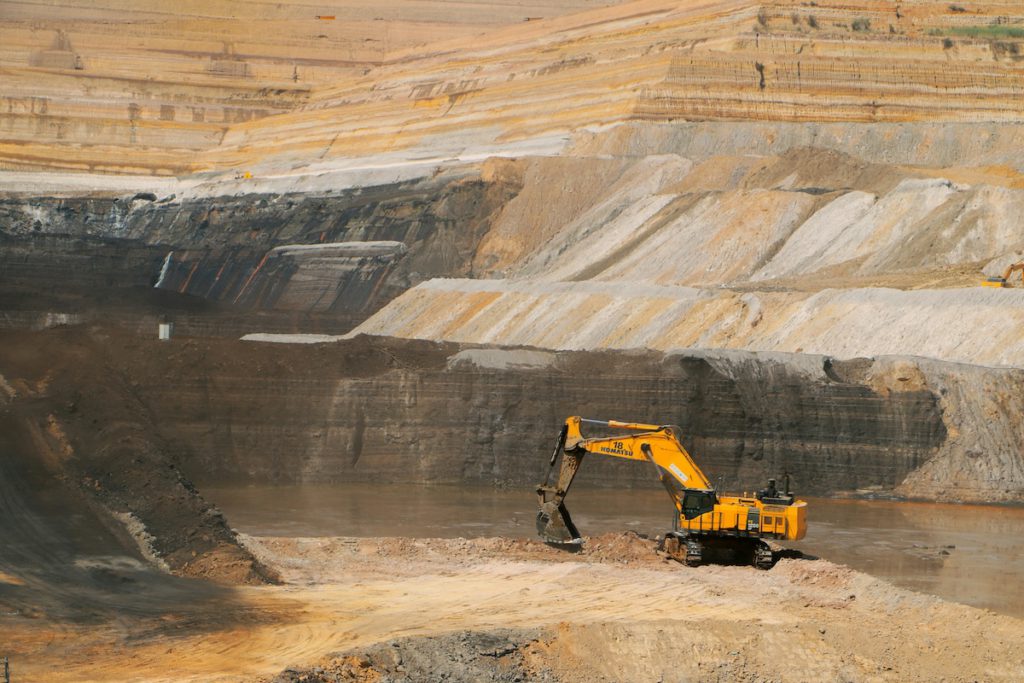
After centuries of innovation and decades of regulation, mining is still one of the most dangerous professions on Earth. The hazards facing workers underground are obvious, but mining sites range from deep tunnels to multi-tiered quarries on the surface, where vehicles and heavy machinery pose as much of a threat as environmental conditions.
Mining accounts for 1% of the global workforce and 8% of all work-related fatalities, highlighting the need for proactive safety reform. More frequent safety inspections and better protective equipment are among the highest-priority measures proposed by the International Labour Organisation, but so too are enhanced physical security measures. Intelligent video systems that improve visibility and predict incidents before they occur can help mining sites reduce accident rates, and boost worker confidence.
The response gap caused by traditional systems
The concerning fatality rates in mining come, at least in part, from the complicated logistics involved in securing these sites. Mines are geographically isolated, away from secure infrastructure that provides stable connectivity and reliable access to emergency services. The high demand for minerals and their essential place in the global supply chain mean operations run 24/7, straining security staff who must remain constantly vigilant for present threats and prepare handover briefs for the teams that take over their shift.
Shifting visibility brought on by nightfall, dust storms and adverse weather introduces additional challenges that traditional detection struggles to overcome. All of this combined results in delayed recognition of threats, slowed investigations and inconsistent response, contributing to the response gap that permeates the mining industry.
Intelligent video in mining
CCTV, in any setting or application, forms a baseline layer of security, playing a pivotal role in the detection and deterrence of threats. For traditional systems to do this, they require active detection or the footage they capture is only useful in retrospect. If the security teams are physically present to witness an intruder or a safety-related incident, they must still coordinate their response using isolated systems, which is not conducive to the immediacy required in such events at high-stakes mining sites.
Cameras can number in the dozens and even hundreds, capturing more footage than even a dedicated team can parse during their shift. This overwhelming workload makes it difficult to catch common yet overlooked mine safety concerns, such as vehicle collisions and falls.
Intelligent video systems change this dynamic by actively interpreting footage using smart analytics and integrated video management platforms. Modern pattern recognition algorithms identify what is happening on site in real time, without needing operators to sit and observe camera feeds. An unsafe interaction will generate an alert sent to all security team devices, outlining the details and providing supporting evidence, whether or not a human sees it transpire.
These algorithms adapt to patterns over time, presenting opportunities for managers to improve safety on a systemic level. This could look like video systems detecting workers crossing restricted roads, possibly due to unclear barriers or an emphasis on productivity that encourages unsafe behavior, prompting a refresher course on safety that promotes a stop-and-think mentality.
Object detection further unifies operational safety and strategic planning. Smart cameras can understand an individual’s proximity to dangerous machinery, allowing security teams to intervene before an accident occurs. AI has also demonstrated the ability to detect PPE, even under obscured visibility and irregular work poses present in industrial environments. Pre-empting safety incidents turns injuries and production stoppages into near-misses, a preferable and, as the International Council on Mining and Metals details, essential source of continued improvement. Speed is of the essence where mine safety is concerned, and intelligent video helps narrow the response gap between awareness and action.
Though smart internals and digital infrastructure create an extra layer of safety, that means little if the devices themselves are not built to withstand the harsh conditions present on and inside of mining sites. Dust and environmental debris can quickly degrade technology that is not purpose-built for the task, and low-visibility conditions can render footage unusable, meaning mining-site CCTV must be rugged, self-cleaning and equipped with thermal imaging.
The benefits of integration
Not all risks associated with mining sites are visible to the naked eye or camera lens. Respiratory illnesses, like coal workers’ pneumoconiosis, are becoming more common over time and present a consistent threat to the long-term safety of mine workers.
Though cameras alone cannot detect the presence of the dust or fumes that cause these illnesses, they can detect the symptoms, such as coughing and shortness of breath, that often follow exposure. Alongside other measures, such as IoT sensors that measure air quality and wearables that detect worker vitals, security teams can identify when and where environmental conditions pose a health hazard.
Integrated systems combine all of these into a single central platform, offering the most comprehensive situational overview possible and expanding the range of stimuli that can trigger alarms. Alongside systemic training and education, integrated systems help address some of the most pressing concerns facing the entire extraction industry.
Important considerations for intelligent video in mining sites
As with all security measures, the effectiveness of intelligent video depends on mindful implementation. The security teams that interact with video management platforms and AI tools must be trained on their uses and limitations, and know how to configure and maintain them to keep the insights they generate accurate. The workers they help protect must also be aware of their presence and the focus of their use, in line with their rights under Canada’s Personal Information Protection and Electronic Documents Act (PIPEDA) or similar local jurisdictional laws for international mining operations.
Reliability is also vital to consider. Access to power and wireless communication is not guaranteed at remote sites, making it important that security systems can process data locally without a constant network connection.
Another step towards mining modernization
Though risks are inherent in every line of work, mining is a particularly volatile field. Reliance on manual processes in cramped environments requires additional emphasis on safeguarding. Intelligent video cameras and AI analytics enable fast decision-making, while also providing unique insight into site safety trends that human eyes would struggle to notice.
Falls, cave-ins and the health risks that extend beyond the physical premises of mines all contribute to the industry’s notoriously high accident and fatality rates. Smart security represents a proactive step towards resilience, one that empowers operators and site managers to tackle incidents before they escalate and respond faster to those that do.

NAM Sales Engineering Manager
Credit: Pelco
Jose Rojas is a sales engineering manager at Pelco with 25 years of experience supporting enterprise customers around the world. He focuses on delivering tailored technical solutions and leading an engineering team that meets the needs of mission-critical clients.
Comments