Turning visibility into operational intelligence
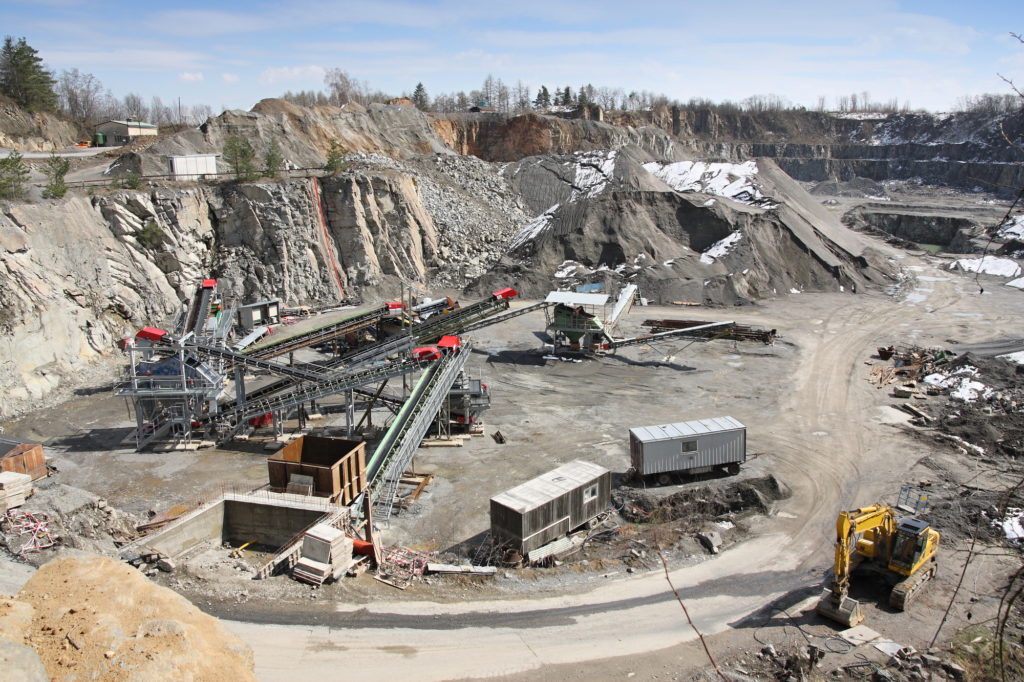
Mining has always been an industry defined by physical challenges like distance, danger, and demanding environments. What has changing today is not the nature of those challenges, but how mines respond to them.
Throughout the industry, digital tools are reshaping how operations are monitored, managed, and improved. Autonomous equipment, remote operations centres, predictive maintenance systems, and integrated data platforms are becoming standard parts of modern mining strategies. At the center of many of these initiatives is a simple but powerful capability: the ability to see what is happening in real time from anywhere.
In this digital age, visibility has become a tool that, when used correctly, provides operational awareness, faster decision-making, and safer, more efficient production.
Historically, video systems in mines were used primarily for surveillance — watching entrances, monitoring restricted areas, and having a recording of incidents when they occurred. Today, these video systems are increasingly being used as operational tools. When operators can identify issues early, they can intervene to reduce downtime, risk, and cost.
Remote operations are becoming the norm
Remote and distributed operations are becoming standard practice, driven by workforce constraints, safety priorities, and the need to operate in increasingly distant locations.
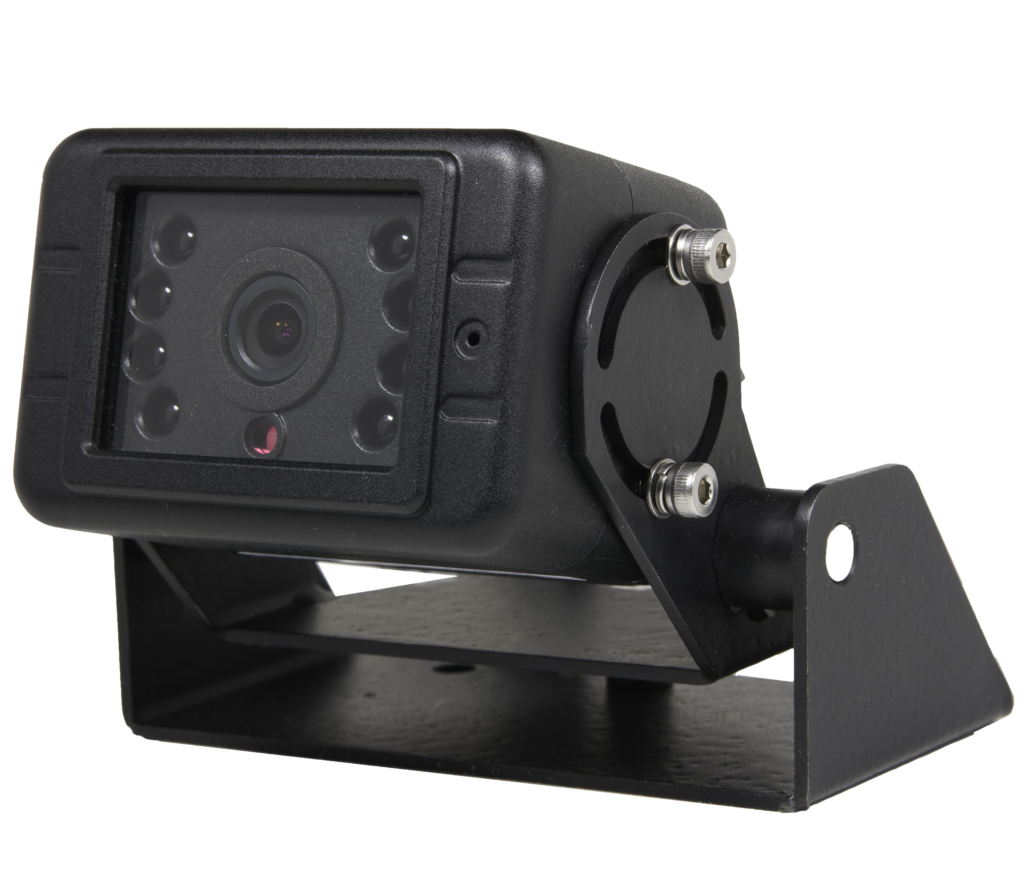
Digital connectivity makes it possible for supervisors, engineers, and maintenance teams to monitor equipment and processes from centralized control rooms — or from other regions entirely. Remote monitoring systems allow teams to review live or recorded footage, analyze performance, and make operational adjustments without traveling to the site.
The operational impact is significant as follows:
- Fewer personnel are exposed to hazardous environments.
- Faster response to equipment or safety issues.
- Reduced travel time and associated costs.
- More consistent oversight across multiple sites.
For mining companies that manage geographically dispersed sites, this level of visibility can move them from reactive responses to proactive, data-driven operations management.
Reliability still determines success
While digital technologies offer new capabilities, they also introduce new expectations. Systems must work continuously, often in environments that push equipment to its limits.
Mining sites are among the harshest industrial settings in the world. Equipment must withstand vibration from blasting and drilling, exposure to dust and debris, extreme temperatures, and constant mechanical stress. These conditions can quickly degrade standard commercial hardware and lead to failures, downtime, and lost visibility.
As mines adopt more connected and automated systems — for example, autonomous drilling, self-driving vehicles, automated haulage, and more — uninterrupted performance becomes critical. Downtime disrupts operations and creates safety risks. A reliable video monitoring system helps keep an eye on these technologies to identify issues early and keep operations up and running.
Scaling visibility across complex operations
Mining operations are becoming larger, more complex, and more interconnected. Processing plants, haul roads, stockpiles, and underground workings must all be monitored simultaneously, often across large geographic areas.
To support this complexity, modern video monitoring systems must be designed to integrate and scale. Working with an experienced partner to build flexible monitoring infrastructure from the start allows operations to adapt to changing requirements without incurring unnecessary costs or disruption.
It also enables a more unified approach to operations where decision makers can have insight across an entire organization, not just a single location.
Practical innovation over hype
The future of mining will undoubtedly include more automation, more connectivity, and more data. During this shift into the digital age, the camera system that keeps an eye on it all cannot be overlooked.
That means
- Designing video systems that deliver reliable performance in harsh environments.
- Choosing tools that improve safety without adding complexity.
- Configuring infrastructure that can scale as operations grow.
- Striving for visibility that supports faster, more informed decisions.
Digital transformation in mining is an ongoing process of improving how operations are performed, managed, and optimized. An important part of that process is also implementing monitoring systems to stay informed on what is happening at every site. 
Heidi Schmidt is global sales manager at Opticom Tech. Heidi has worked in the video technology space for more than 20 years, building expertise in CCTV, industrial video applications, new product development, video network solutions, and more. As a sales leader at Opticom Tech, she helps customers implement robust video monitoring solutions for unique and harsh industrial environments.
Comments