Why close enough is not good enough when it comes to fluid compliance
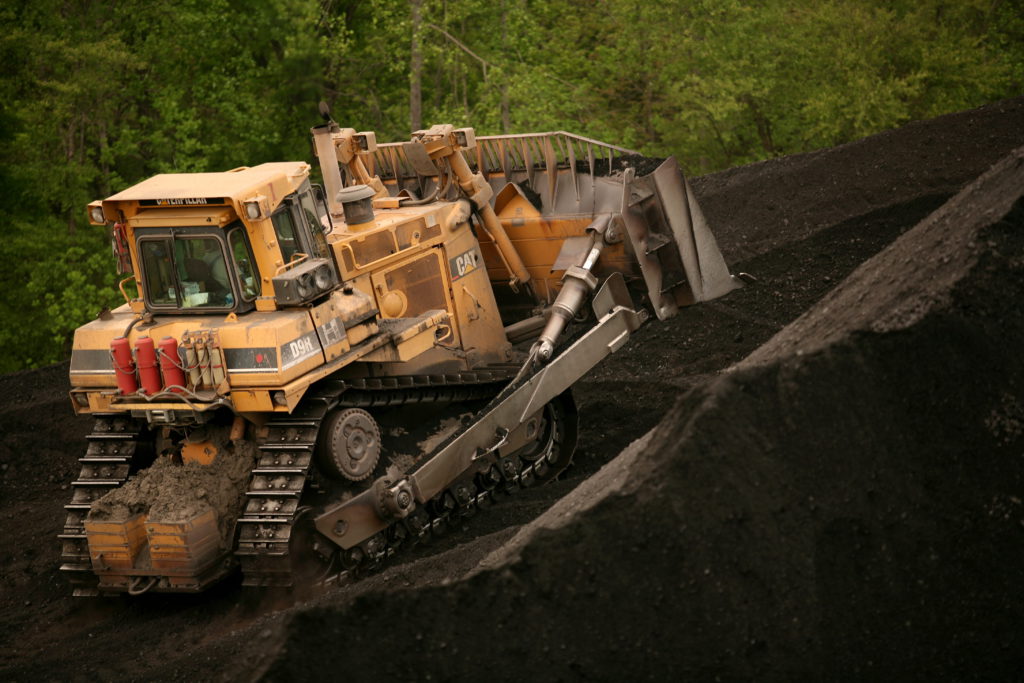
If you manage maintenance on an active mine site, you are rarely dealing with a single machine or a single manufacturer. More likely, you are responsible for fluid compliance across a mixed fleet: haul trucks, loaders, drills, dozers and a range of support equipment, each carrying its own OEM fluid specifications, each running under different load and thermal conditions and all expected to stay operational in some of the most demanding environments in the industry.
Managing that complexity is hard enough on a well-resourced site. On a remote operation where supply chain lead times are measured in days and a component failure can halt production for extended periods, your margin for error is narrow. When OEM requirements across machines seem to overlap or differ, the instinct is often to rationalize a single product across multiple applications and hope the gaps do not matter. That approach carries real consequences.
Start with the specifications, not the fluid
The most common mistake in mixed-fleet management is working backward from product availability rather than forward from OEM requirements. When you build your fluid program
around what is easiest to procure, or what covers the most applications with the fewest SKUs, you are starting from the wrong place.
The right starting point is a lubrication chart: a working document that maps every machine type in your fleet to its OEM-required fluid by system, capturing viscosity grade, OEM approval or performance requirement, and, where applicable, ISO cleanliness codes for contamination-sensitive systems like hydraulics. Think of it as the single source of truth that every technician on the site can reference before selecting product from bulk storage, connecting transfer equipment or pulling from a tote.
This chart is not a one-time build. OEMs update fluid requirements as equipment evolves, and those updates do not always come with direct notification. Building a periodic review and updating the chart every time a new machine enters your fleet is a simple habit that prevents quiet compliance gaps from opening.
Where consolidation is legitimate and where it is not
If you are managing a mixed fleet, you reasonably want to minimize the number of fluid products in circulation. Fewer SKUs mean simpler procurement, lower storage overhead and less risk of a technician grabbing the wrong product. That logic is sound, up to a point.
When a single fluid genuinely satisfies the OEM requirements of multiple machines or systems, consolidation makes sense. This happens more often than people expect, and a qualified lubricant supplier can help document where consolidation is defensible and where a separate product is required to stay aligned with OEM expectations.
Where it breaks down is when a product gets used across applications because it is close enough rather than because it actually meets each specification. Close enough in a haul truck transmission, where a failure pulls a primary production asset off the line, is a very different calculation from a light support vehicle where the consequences of downtime are far more manageable. Viscosity requirements, additive chemistry, oxidation stability, shear stability, frictional performance and anti-wear protection can all vary by application. A product that underperforms in a specific system can increase the risk of accelerated wear in components such as bearings, gears, pumps, valves and hydraulic systems, often long before that wear surfaces as a failure event.
The practical test is simple: Can you document that this product meets the OEM’s stated requirements for this specific system? If the answer requires interpretation or a best guess, get a technical review before you make the call.
Site conditions are part of the compliance picture
The spec sheet gets you to the starting line. What happens after that depends on where and how the machine is actually running.
Cold weather is a good example. A fluid may meet the required operating-temperature viscosity grade but still needs to be evaluated for low-temperature flow, pumpability and startup
protection in the conditions where the machine operates. If you check the spec and stop there, you may be missing a real protection gap.
The same principle applies to contamination. A correctly specified fluid that enters the machine already contaminated because it picked up particulate matter during storage or transfer, may not meet the ISO cleanliness level the OEM requires. That makes basics such as sealed storage, dedicated transfer equipment, proper filtration, clean containers and clear labeling part of the compliance program — not just housekeeping. On a dusty mine site, where lubricant moves through multiple transfer points before it reaches the equipment, that risk is present on every service event you run.
The spec sheet tells you what the ISO cleanliness level needs to be. Site conditions tell you what you need to do to make sure it stays that way.
When to escalate before it becomes a problem
Not every fluid compliance question has a clear answer in service documentation, and the cost of guessing wrong is high. The following situations warrant bringing in a technical advisor before you make a call:
- A new machine enters the fleet with OEM requirements that conflict with your current fluid program: Do not assume the existing product is close enough. Get a formal validation before that machine goes into service.
- An OEM updates its fluid specifications, and your current product may no longer qualify: These updates do not always come with direct notifications. Periodic reviews of service documentation are the only reliable way to catch them.
- A machine is operating significantly outside its normal duty cycle: Extended shifts, higher ambient temperatures or unusual load profiles can push a fluid past its design limits even when it was the right choice under standard conditions.
Warranty exposure is another practical reason to escalate rather than improvise. When a failure occurs and the fluid history is ambiguous or the product used was not formally approved for that application, the warranty discussion can become more difficult. Documentation of OEM-compliant fluid use from the time a machine enters service is straightforward protection that costs almost nothing to maintain.
Practical steps for remote site management
Remote and extreme-weather sites add a layer of logistics complexity that changes how you need to structure your compliance program. When a product runs out and the next delivery is days away, the pressure to substitute with whatever is available is real. The following disciplines reduce that risk before it becomes a crisis:
- Maintain safety stocks of critical fluids: Focus on products used in your highest-priority machines and highest-consequence systems. That buffer is what keeps a supply disruption from turning into a compliance gap.
- Establish pre-approved substitution protocols with a technical advisor: Agree on acceptable alternatives in advance before a shortage creates pressure to improvise. Decisions made under urgency do not always hold up under scrutiny.
- Make fluid compliance part of technician onboarding: Which product goes where, and why, is institutional knowledge that walks out the door with turnover. A documented lubrication chart, accessible to everyone working on the fleet, keeps that knowledge in the program regardless of who is on site.
The discipline behind the details
OEM compliance across a mixed fleet is not paperwork. Every specification a manufacturer publishes reflects real engineering decisions about what the machine needs to run reliably under the conditions it was designed for. When you treat those specifications as the foundation of every fluid decision, rather than a starting point for negotiation, you build a program that protects asset life, supports warranty coverage and reduces the unplanned failures that are hardest to absorb when you are running a remote operation and the nearest repair support is a long way away.
Max Cundiff is industrial sector manager at Chevron
Comments