
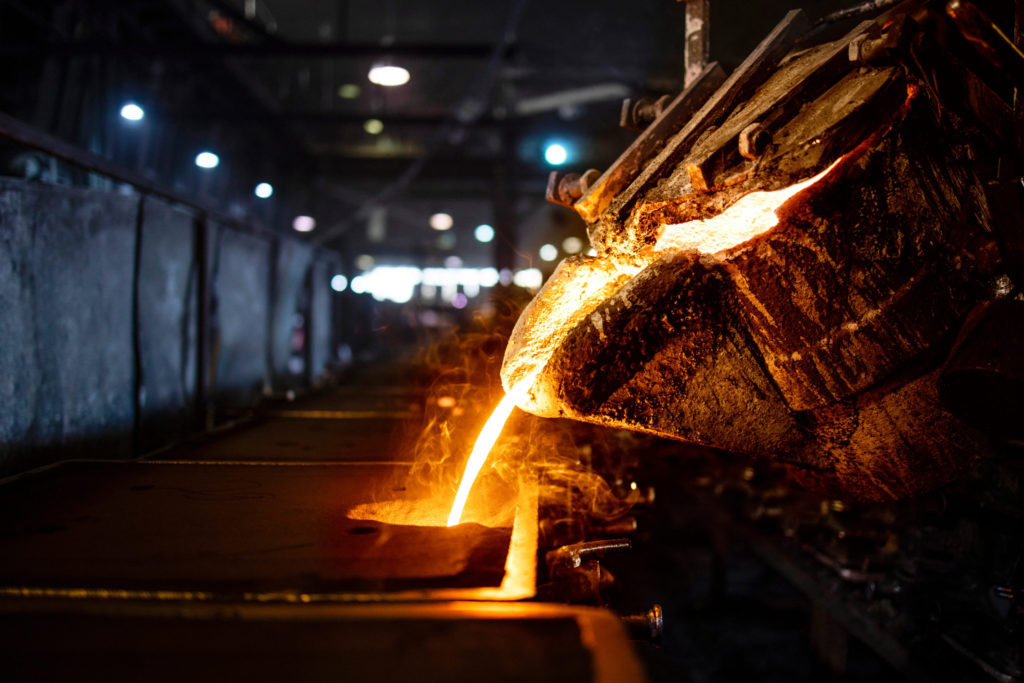
SGS (SWX: SGSN) has agreed to test Carbonix’s P180 direct reduction technology, designed to turn Canadian iron ore concentrate into hot briquetted iron (HBI) in a single facility.
Signed in June, the agreement establishes the SGS-Carbonix pilot plant, a program led by SGS’s Metallurgical Centre of Excellence in Lakefield, Ont. The program will evaluate P180 through extended operating campaigns, assessing process performance, product quality and other key parameters. The resulting technical data will inform the assessment of the technology's feasibility and potential scalability, including considerations for future developments.
SGS will upgrade and agglomerate the ore feed, oversee the reactor campaign, perform assays and report milestones against defined criteria. The program is scheduled to conclude with a pre-feasibility engineering (Pre-FEED) study.
“Independent validation is how a new process earns the confidence of the people who must finance, build and operate it,” said Stephen Mackie, SGS’s vice-president of metallurgy and consulting for North America.
Since 1941, SGS’ Lakefield team has completed more than 22,000 projects for the global mining industry, from early testing through piloting and scale-up.
Canadian made
Headquartered at Fort William First Nation, Ont., Carbonix is an Indigenous-owned iron manufacturer. Its P180 process is designed to use natural gas to produce hydrogen and solid carbon, with the hydrogen used to reduce iron ore and the carbon retained as a co-product rather than released as carbon dioxide. The sustained operation of P180 has not yet been demonstrated.
“Whether we are talking to a private client or a government, they will trust our technology because it is backed by a credible, transparent program that gives them everything they need to judge P180’s performance and potential,” said Paul Pede, Carbonix’s president and CEO. “P180 did not exist when we first brought material to Lakefield in 2012; it came out of the work we have done here since.”
In March, Ontario expanded its critical minerals list to include high-purity iron, citing the shift to electric arc furnace steelmaking in the province's steel mills. Carbonix says those furnaces require HBI to operate and the province is currently without a producing plant.
“The independent evaluation conducted by SGS will generate technical evidence to assess the feasibility, performance and potential scalability of the process, helping inform future decisions regarding its possible application within Canada's evolving steel supply chain,” Pede said.
Comments