The mining industry in British Columbia confronts a pivotal moment as Indigenous groups challenge the province's accelerated approval process for a significant mine expansion. The Upper and Lower Similkameen Indian Bands are pushing back against the government's rushed timeline for the New Ingerbelle project, a contentious mine proposal near the Similkameen River in southern British Columbia.
The New Ingerbelle project would expand mining operations to within 50 metres of the Similkameen River, reaching depths below the river level. It also involves raising existing tailings dams and constructing a new bridge across the river, presenting significant environmental and cultural challenges.
Indigenous leaders warn that the British Columbia Ministry of Mines and Critical Minerals' hasty timeline could derail the entire review process. In response, the First Nations have initiated a formal dispute resolution process to suspend the provincial deadlines.
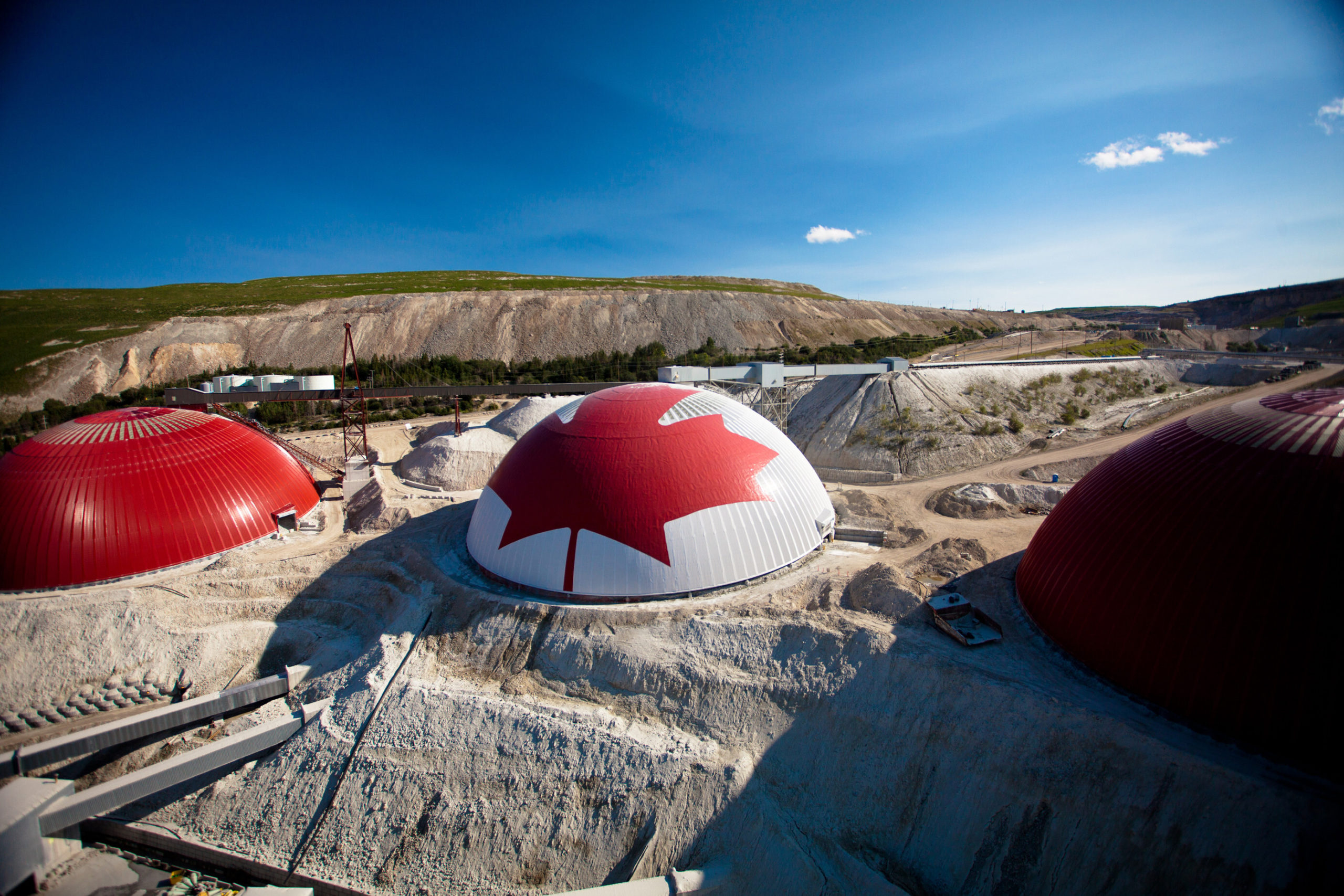
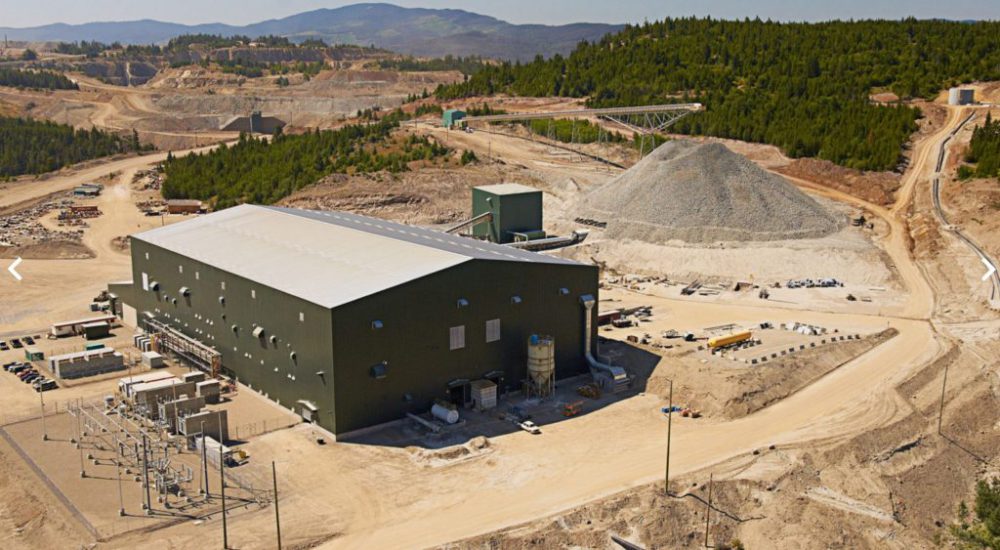
Hudbay Minerals, the new owner of the Copper Mountain Mine since 2023, emphasized its commitment to working with the Indigenous communities.
"Hudbay greatly values its long-standing relationships with the Upper Similkameen Indian Band (USIB) and the Lower Similkameen Indian Band (LSIB). We respect their right to carefully review and provide input on the permit application for the New Ingerbelle (NI) expansion project that is part of our Copper Mountain mine in the Princeton, British Columbia region," Enrique Barrios, manager of external communications with HudBay Minerals, stated in an email.
However, Indigenous leaders express concern that the government's rushed timeline threatens to undermine progress in relationships. Chief Keith Crow of the Lower Similkameen First Nation asserts: "In the past the province of BC has made decisions without our consent. They are damaging years of trust building by the mine, the government, and our people.
Key information required in the application is still being received, and BC is already drafting decisions. With the right commitments, and meaningful effort from BC, our communities could possibly see a joint consensus on New Ingerbelle by April or May. January 15 timeline is a slap in the face."
The First Nations seek additional time to review the draft permit, implement necessary changes, and make informed decisions that protect their rights and the river. They proposed extending the timeline to allow for consensus-based decisions by May or June 2026.
"We don't want to fight about timelines. We want to find ways to solve the hard problems, but BC doesn't seem interested -- they want to close the book on the assessment and just get another mine going. The assessment is telling us to be very careful on this one. BC doesn't seem to be listening," Chief Bonnie Jacobsen of the Upper Similkameen First Nation emphasized.
This dispute highlights the ongoing tension between economic development, environmental protection, and Indigenous rights in British Columbia's resource sector. The outcome of this conflict could set a precedent for future mining projects in the province, potentially reshaping the relationship between the government, mining companies, and First Nations.
More information is posted at www.HudBayMinerals.com.


Comments