Krank at 10: Streamlining mining and heavy equipment workflows
Krank celebrated its 10th anniversary this spring, marking a decade of quietly building the operational backbone for how heavy equipment is managed, […]
Krank celebrated its 10th anniversary this spring, marking a decade of quietly building the operational backbone for how heavy equipment is managed, inspected, and transacted across its lifecycle. What began as a focused marketplace has transformed into a technology company intent on powering the industry’s everyday movements.
Mining focus and platform reach
Krank works extensively with mining equipment and serves as a major digital platform for buying, selling, and auctioning used mining, construction, and earthmoving machinery. The platform facilitates B2B transactions for heavy-duty, high-value assets used in mining operations, such as wheel loaders, excavators, and cranes.
CEO Mark Turner and CTO Khurram Mumtaz founded Krank in 2016 after years of working in construction and industrial settings. They had watched fragmented workflows, manual processes, and disconnected systems slow decisions and stall asset movement. Over a pint, Turner and long-time industry peer David McCarthy debated names until they landed on “Krank,” a nod to the crankshaft that drives an engine. The name signalled their ambition: to be the mechanism that keeps the industry turning. McCarthy later joined full-time as Global Head of Sales and has helped scale the company’s commercial reach and enterprise adoption.
From transactions to infrastructure
Krank first attacked inefficiency in equipment transactions, launching auction and marketplace tools aimed at bringing structure and transparency to an opaque market. The platform quickly facilitated millions in equipment sales across several markets, proving the model. But as usage grew, the team recognised a deeper problem. Friction didn’t stop at buying and selling; it existed across inspections, asset data capture, field workflows, and reporting — the operational layer that dictates whether assets are ready to move.
“Early on, we were focused on transactions. Over time, it became clear the bigger opportunity was everything around them. How data is captured, how decisions are made, and how operations actually run day to day,” Mumtaz said.
That insight pivoted Krank from a transaction platform into an operational layer that connects systems, workflows, and real-world execution. The company developed its stack through iteration with customers, staying close to field teams and learning from day-to-day gaps. Turner says the company’s proximity to actual operations has guided product choices and priorities.
“A lot of what we’ve built has come directly from understanding the gaps in day-to-day operations and being willing to rethink things as we go,” Turner said.
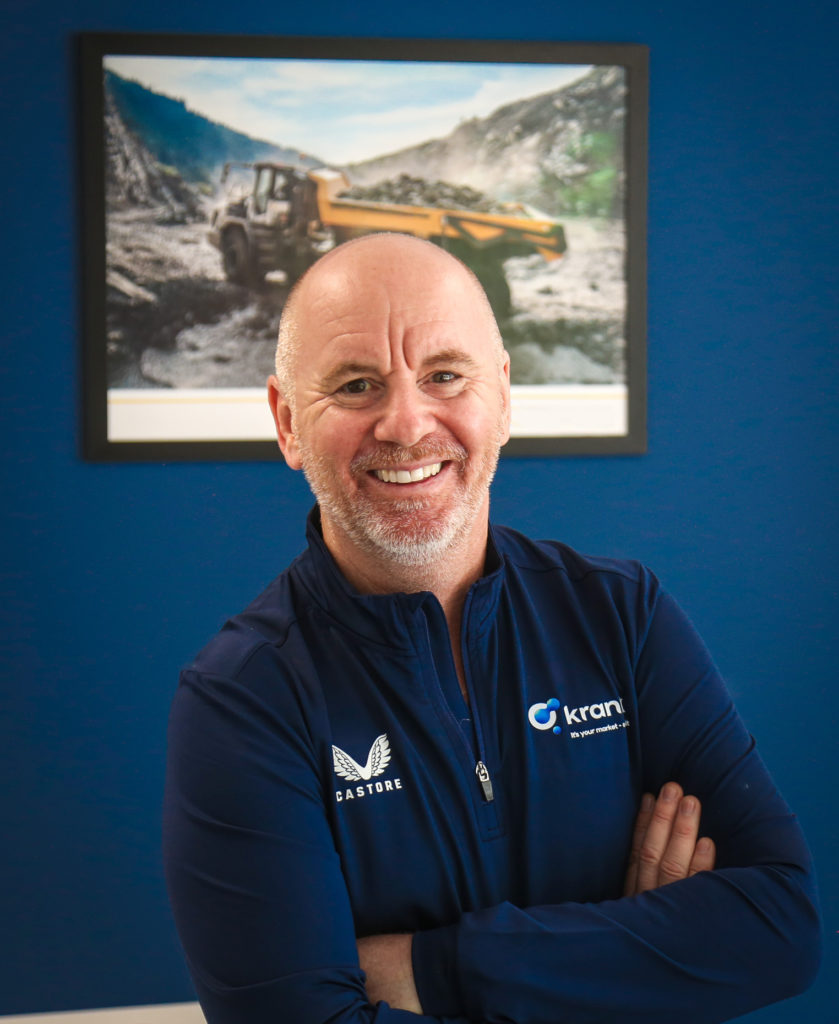
Mark Turner, CEO of Krank Photo: Krank
Today Krank supports thousands of equipment listings and large volumes of asset value across auctions and direct sales. OEMs, dealers, rental companies, and fleet operators in multiple regions use the platform. Its architecture emphasises integration with existing enterprise systems rather than wholesale replacement, enabling the platform to operate in complex, high-volume environments.
Krank’s product ecosystem reflects that shift. Heavy Kit aggregates inventory from multiple sellers into a single discovery layer, while Inspeq provides a structured, real-time operational layer for inspections and field workflows. The two platforms work together rather than as isolated tools, linking inspection data, asset condition, and transaction readiness into a unified flow. The approach helps businesses move from fragmented processes to consistent, measurable operations with clearer visibility across teams and locations.
As it enters its second decade, Krank is investing heavily in product development. The company’s roadmap focuses on expanding operational intelligence, deepening integrations, and accelerating enterprise deployments. With teams in the UK and Pakistan and a recent push into Australia following the appointment of John O’Sullivan, Krank is doubling down on rapid iteration and close customer collaboration to build technology that maps to real-world operational needs.
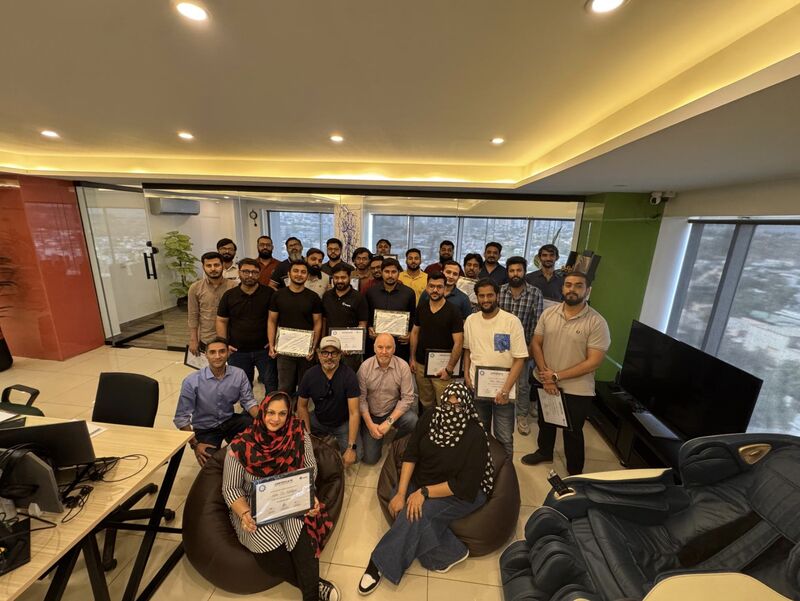
“What I’m most proud of is the team. They’re a group of people who take ownership and care deeply about what they build. Even after ten years, it still feels like we’re just getting started,” Mumtaz concluded.
Comments