Ring of Fire focus grows as Anishinabek Nation seeks equal seat at the table
The Anishinabek Nation said it supports Ontario’s push to accelerate development of the province’s mineral resources, particularly critical minerals, while insisting projects […]
The Anishinabek Nation said it supports Ontario’s push to accelerate development of the province’s mineral resources, particularly critical minerals, while insisting projects respect inherent rights, environmental stewardship, and meaningful First Nation involvement.
The Anishinabek Nation represents 39 member First Nations across Ontario, with about 70,000 people.
According to recent reports from the Sudbury Star, Grand Council Chief Linda Debassige said the representative Indigenous body envisions resource development that benefits all communities, especially First Nations whose territories include mineral-rich areas such as the Ring of Fire. She said any projects must proceed with free, prior and informed consent so First Nations can influence decisions affecting their lands and livelihoods.
Her comments follow Ontario’s launch of a $500-million Critical Minerals Processing Fund announced in Sudbury earlier this month. Economic Development Minister Vic Fedeli said the fund is intended to ensure mining and processing happen in Ontario by Ontario workers. He noted U.S. reliance on Canadian inputs such as aluminum, nickel and potash, and argued it makes economic sense for Ontario to process its own critical minerals rather than export them unprocessed.
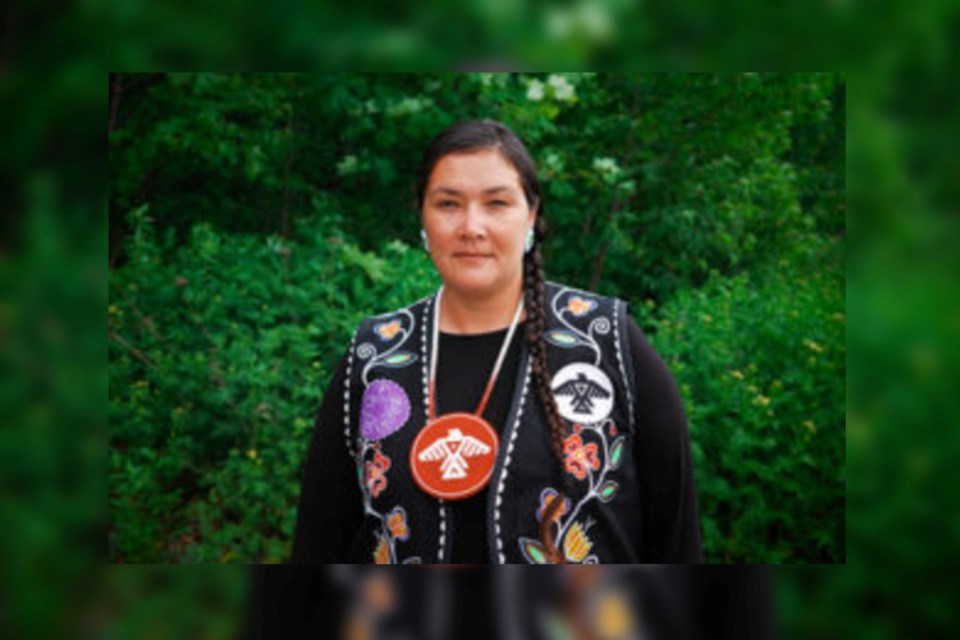
Anishinabek Nation Grand Council Chief, Linda Debassige. (Supplied).
Critical minerals—key to modern technology, economic security and the clean-energy transition—include lithium, cobalt, nickel, copper and rare earth elements such as lanthanum, thulium, cerium, europium and neodymium. Many, including copper and nickel, are abundant in the Sudbury region.
The Anishinabek Nation said responsible development can advance prosperity for all, provided First Nations are partners in planning, decision-making and benefit-sharing consistent with treaties and inherent rights. It called for support for First Nation–led business opportunities and partnerships that promote shared prosperity.
The organization also described investment in critical minerals processing as a potential path to economic independence and self-determination. It welcomed the province’s $3.1-million allocation within the fund to support Indigenous participation—through investment, training, jobs or ownership—across the mineral supply chain.
At the same time, it said environmental and cultural safeguards must be embedded in all projects to protect lands, waters and the Anishinaabe culture and practices. Debassige said the organization is open to investment through a sovereign wealth model that prioritizes environmental care, water protection and reconciliation, and views the sector as a chance to grow First Nation–led enterprises, create jobs and build sustainable partnerships that respect cultural heritage and sovereignty.
As Ontario advances its strategy, the Anishinabek Nation has been urging collaborative work with Anishinabek First Nations to ensure extraction and processing support shared prosperity, environmental protection and the revitalization of First Nations. The representative organization said it remains committed to dialogue and partnership so provincial economic development aligns with Anishinaabe values and rights.
Comments