Selling the technology: Bridging the gap between innovation and the operational realities on mine sites

Across Canadian mining, operators face pressure to deliver safer, more productive, and more cost-effective performance while working in harsh environments with tight margins, stringent regulations, and little tolerance for disruption. All too often I meet technology companies that see mines as prime candidates for their innovations, from AI-enabled solutions and automation to IoT sensing, electrification, and advanced analytics. Yet many promising solutions stall in pilots, get lost in procurement, or fail to scale beyond a single site. The problem is not only the technology itself, but it is also how we sell it. Generic enterprise sales playbooks are not built for the realities of mining, which include complex stakeholder hierarchies, a production first mindset, a rigorous safety culture, nuanced CapEx and OpEx constraints, extended validation cycles, and highly localized decision processes. To close the gap between good tech and real adoption, the sector needs unique sales skills that enable teams to speak the language of the mine, structure risk-aware commercial models, and earn trust both at the face and in the boardroom.
Mining is a system with many decision nodes rather than a single buyer. Owner/operators, OEMs, engineering firms, contractors, and service providers each influence technology decisions, often at different phases. A salesperson trained to map this ecosystem of relationships can identify who signs the cheque, who owns risk, who bears operational disruption, and who benefits. Equally important is understanding the psychology of mining decision makers. They value safety, reliability, and proven uptime over novelty. Intrinsically safe culture permeates every conversation, and anything that threatens production stability or introduces ambiguity will meet resistance. Sector-specific training equips teams to translate value into mine-specific language, such as availability, utilization, throughput, and safety outcomes, rather than relying on abstract features. A well-trained business developer should understand the difference between a site that wants innovation and one that is ready for it, including leadership alignment, maintenance capacity, data governance, and shift level change readiness. Without this grounding, vendors pitch into the void. With it, they anticipate objections linked to production priorities and design engagements that mines can accept.
Mines do not buy ideas because they are interesting; they buy measurable impact on key performance indicators. A sector specific curriculum can train teams to begin with real operational pain; for example, bottlenecks in asset availability, ventilation energy costs, equipment damage in mucking, or exposure risks in development headings. The pitch must connect those pains to outcomes that matter, such as fewer incidents, faster cycle times, higher recovery, and lower unit costs. In practice, this means reframing proposals around quantifiable results, including improvements between failures, fuel savings, reduced rework, and lower injury rates. It also demands field validation plans that respect site constraints. In mining, safety compliance, test documentation, and clear boundaries for disturbance are not optional. Credibility stems from rigorous pilot scoping, hazard recognition, and adherence to site procedures. Effective training makes the likelihood of adoption the filter. Teams learn to ask whether the solution will withstand dust, vibration, heat, water, and variable connectivity, whether maintenance can own the system after the vendor leaves, and whether data workflows align with existing systems. Those who internalize these questions avoid solving the wrong problem or solving the right problem in the wrong way.
Another point to consider is the daunting and demoralizing time investment required to sell to mines. Sales cycles in mining routinely stretch over 12 to 24 months, moving from concept to pilot, pilot to demo, demo to integration, and integration to scale. In this span, budgets freeze, priorities shift, and projects pause, often because of fluctuating commodities prices and production realities intervene. Advice to simply follow up more does not suffice. The ticket is maintaining meaningful engagement that advances validation without adding noise. Training tailored to mining equips teams with practical tactics, including cadence plans that respect shift schedules, technical newsletters that share proof of value data rather than marketing jargon, transparent updates that build credibility through small wins, and stakeholder maps that evolve as procurement and operations dynamics change. Role plays and case studies around paused projects can teach how to reframe delays as learning opportunities, preserving the sponsor’s political capital while moving the next low risk test forward. The objective is momentum without pressure, demonstrating reliability over time until the site sees the vendor as a partner rather than a peddler.
Equally important is understanding how mines finance and buy technical solutions. Even the best solution will stall if the commercial model does not fit the mine’s budget structure. Payment timing, fiscal cycles, and the split between capital and operating expenses drive feasibility. Sector-specific training shows teams how to design “buyability.” This includes pilot credits that convert to scale up discounts, pay for performance structures, equipment as a service approaches, leasing options, and subscription terms that map to operating budgets. Cash flow resilience is equally vital. With procurement timelines of a year or more, vendors must plan to survive milestone-based payments and extended approvals. Essential skills include building two-year cash flow models with contingencies, aligning invoicing to fiscal calendars, and leveraging public co-funding through government programs such as the Mining Innovation Commercialization Accelerator (MICA) Network, Canadian Mining Innovation Council (CMIC), and regional innovation funds to share risk and accelerate validation. When pricing and risk sharing mirror how mines commit funds, adoption accelerates.
There is an adage in the industry that mines “buy with their eyes.” As such, pilots are the crucible where technology either proves value or loses trust. High friction pilots, those that disrupt production, lack clear success metrics, or ignore safety and data governance, will fail regardless of technical merit. Training in mining-specific pilot design focuses on low disruption, explicit ROI hypotheses, defined data capture plans, and compliance embedded in work instructions. Clear terms for data and intellectual property protect both sides and prevent procurement surprises during scale up. Mining innovation networks and R&D centres can de-risk entry by providing neutral grounds for testing and access to realistic environments. Sales teams trained to leverage these partners gain social proof and practical validation that speak to technical audiences. Transparency through regular reporting, open dashboards, and documented learnings further builds trust across stakeholders who must champion the solution internally.
Often, scoring a pilot is seen as the end of the journey. A pilot is not the end. It is the start of integration and change management. Mines value partners who show up after the purchase order, documenting configuration decisions, training maintainers of the solution and operators, managing expectations, and delivering incremental wins that build confidence. Sector-specific training emphasizes storytelling for technical audiences, using case evidence rather than superlatives, and turning pilot data into scale contracts through clear pathways that define scope, timelines, resource plans, and risk registers. Social proof matters most when it is relevant, such as evidence from similar geology, comparable fleets, matching ventilation challenges, or sites with unionized workforce dynamics. In mining, credibility accrues slowly and can be lost quickly. Disciplined post sale practice is the safeguard.
Mining has historically struggled with technology adoption because the business development strategies behind these innovations were not tailored to the industry’s unique risk profile and operational priorities. Vendors often approached mines with generic pitches and rigid commercial models, failing to account for safety culture, procurement complexity, and the need for incremental trust building. Tailored business development strategies, grounded in sector specific training, change that dynamic. The payoff is faster adoption, safer operations, and better ROI. When sales teams learn to sell for mining rather than to mining, technology transitions from interesting to essential. Pilots become vehicles for learning rather than proof of concept theatre. Business models align with fiscal reality. Operations feel heard and supported. Procurement sees risk being shared responsibly. Executive sponsors gain the evidence needed to scale with confidence. Teaching this approach is where we need to collectively innovate to make adoption easier. Currently, the Centre for Smart Mining is studying the best way to train for this type of sales approach to bridge the gap between the disruptive innovations we work with every day and the operational realities on mine sites. We hope to bring forward a compelling solution soon so that we can better equip salespeople of the future with the skills needed to clear these barriers more seamlessly.
Mining will always favour production stability over disruption. Sector-specific sales aptitude does not fight that truth. It works with it, translating innovation into practical, safe, and financially sound improvements. If we want the next wave of mining technology to make a real difference underground and at surface, we must prepare the people selling it to meet the industry where it is and help it get where it needs to go. 
Steve Gravel is the manager of the Centre for Smart Mining at Cambrian College.
Related Posts
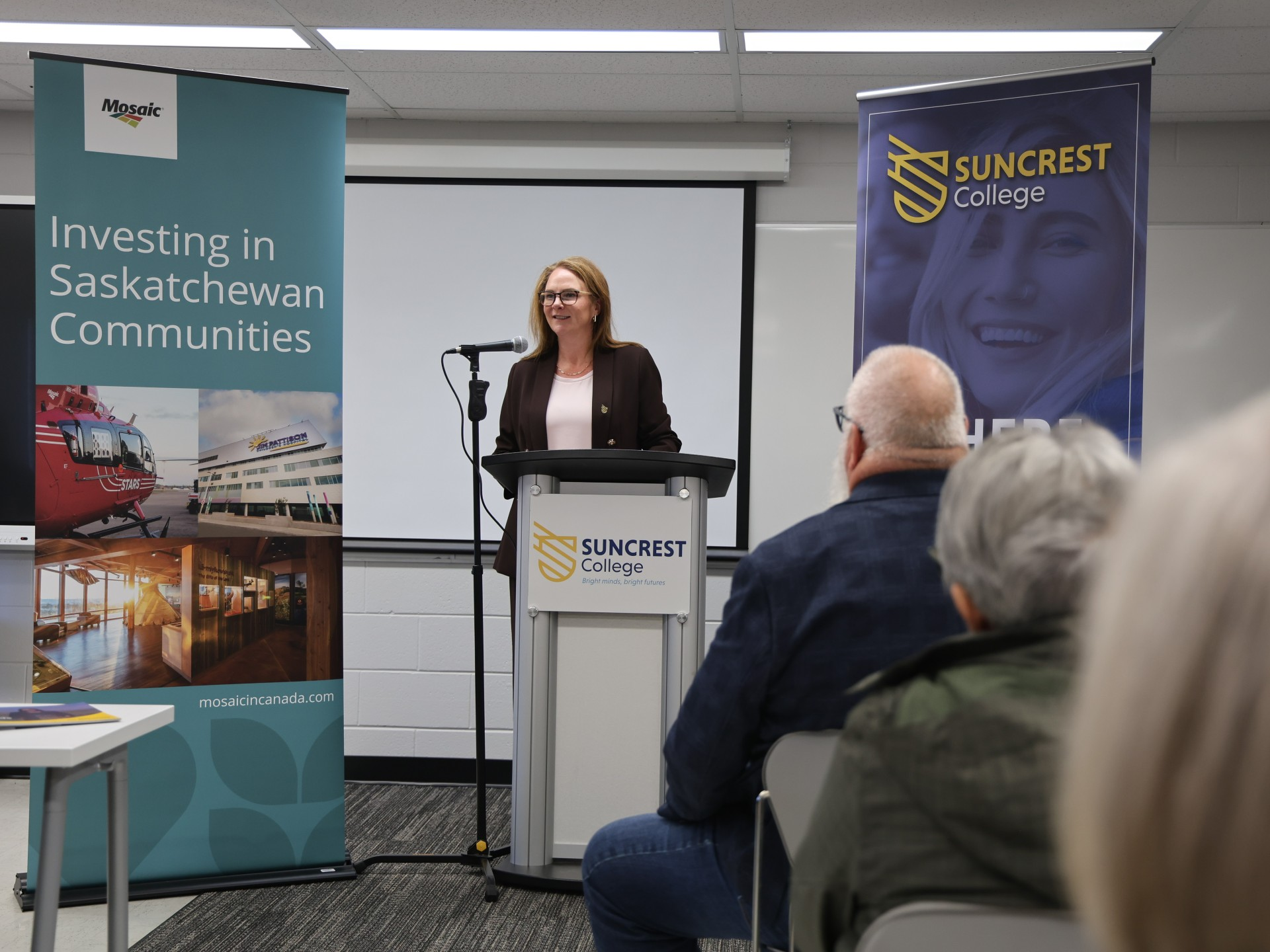
Suncrest College opens mechanics training facilities, expands scholarship programs
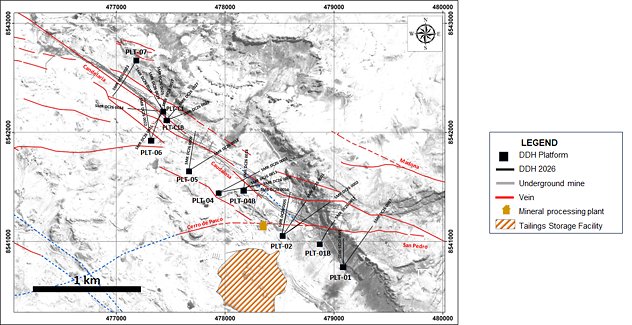
Caudalosa mine restart evaluated as as Silver Mountain reports 569 g/t silver hit
Rock Tech kicks off exploration program at the Victory project
October 22, 2026
Rock Tech kicks off exploration program at the Victory project
Liberty Gold stretches Black Pine’s reach in Idaho
October 22, 2026
Liberty Gold stretches Black Pine’s reach in Idaho

Mining history: A beginner’s guide
October 22, 2026
Comments