Protesters blocked copper concentrate exports from Rio Tinto's (ASX: RIO) Oyu Tolgoi mine on Wednesday, disrupting shipments from one of the world's most important copper projects and renewing scrutiny of how Mongolia benefits from its vast mineral wealth.
The demonstration, organized by the Radical Reform Movement, temporarily halted traffic on a road used to transport concentrate from the giant copper-gold mine.
The group is demanding a larger share of mining revenues for Mongolians, reviving a longstanding debate in a country where poverty remains widespread despite decades of resource development.
Copper is a key ingredient in electric vehicles, power grids, solar panels and wind turbines, making Oyu Tolgoi an important supplier to neighbouring China, the world's largest consumer of the metal.
The blockade began at 9 a.m. local time on Wednesday, according to a statement posted by Oyu Tolgoi LLC on Facebook, preventing trucks from hauling copper concentrate to the Chinese border. The company warned the disruption could create a "risk of not fulfilling contractual duties" and cause "significant disruptions to the state budget" while damaging Mongolia's reputation among international investors.
It remains unclear whether the blockade was a one-day protest intended to draw attention to the issue or the start of a broader campaign that could affect trade flows and economic relations between Mongolia and China.
Videos posted by the group on Facebook showed a small gathering of demonstrators standing near a makeshift barrier on a two-lane highway in the Gobi Desert. A white banner bearing the words "Stop Rio Tinto" was draped across a large tree branch positioned over the roadway in front of a wall of tires.
Rio Tinto did not reply to a request for comments.
Historic tension
Relations between Rio Tinto and Mongolia have swung between cooperation and conflict in recent years.
In 2022, Rio Tinto waived $2.4 billion in debt owed by Mongolia, describing the move as a reset of the partnership and clearing the way for underground development at Oyu Tolgoi.
The relationship has since deteriorated. Mongolia is suing Rio Tinto over alleged tax underpayments of about $450 million, largely tied to depreciation accounting for the 2021 and 2022 tax years. The dispute is now before the courts.
In March, Rio Tinto disclosed that the Mongolian government, which holds a 34% stake in Oyu Tolgoi through state-owned Erdenes Mongol LLC., was seeking to reopen negotiations over the project's commercial terms.
Ulaanbaatar argues the current agreement does not provide a fair share of benefits and wants dividend payments accelerated while increasing Mongolia's share of project returns to about 60%.
Political pressure is also mounting ahead of national elections next year as copper and gold prices hover near record highs, increasing public expectations that the country's mineral wealth should translate into broader economic gains.
The dispute carries significant implications for both Rio Tinto and Mongolia. Rio owns 66% of Oyu Tolgoi and operates the mine, while the Mongolian government holds the remaining 34%. Oyu Tolgoi is one of the world's largest known copper-gold deposits and a cornerstone of the miner's long-term growth strategy. The project is also critical to Mongolia's economy, with mineral exports accounting for a substantial share of the country's gross domestic product.
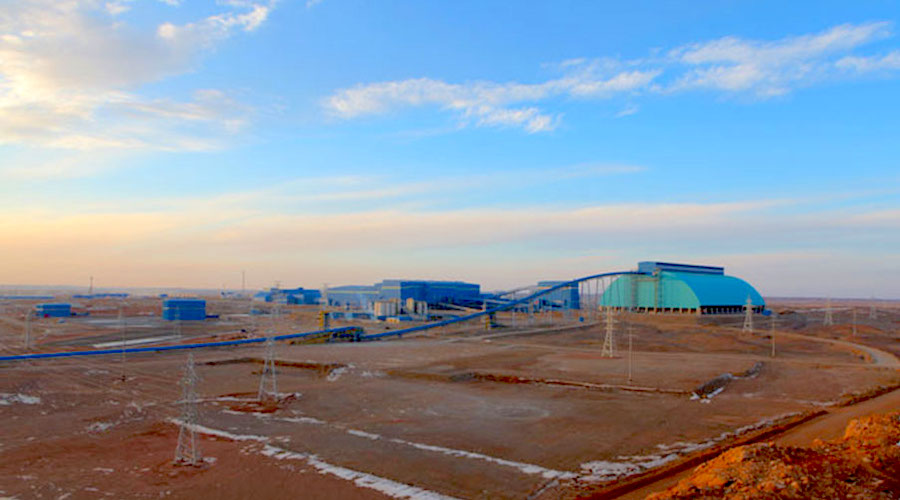
Open-pit mining at Oyu Tolgoi began in 2011, while the concentrator, the largest industrial facility ever built in Mongolia, started processing ore in 2013. Underground production commenced last year and Rio Tinto expects to transform the operation into the world's fourth-largest copper mine by 2030. This makes any prolonged disruption closely watched by investors, governments and copper markets already facing expectations of tightening global supply.
Comments