Five data points every plant should track
Plant managers cannot get a full look at operational productivity without a holistic view of the entire plant. And, while the screening portion of the facility might seem small, it can have a big impact on overall efficiency and profitability. Keeping track of some main data points can make it easier to conceptualize how the screening process is performing and where efficiencies can be made. Full solutions equipment manufacturers can work with plant managers to evaluate these metrics and apply them toward smart screening decisions.
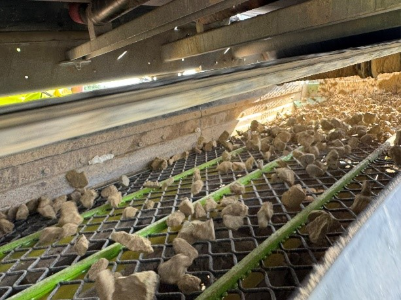
Here are five data points every operation should monitor to get the most out of their screening process:
1. Tonnes per hour (TPH): These are often viewed as a broad plant‑level metric, but it can also provide valuable insight into screening performance when tracked consistently. A vibrating screen plays a key role in controlling material flow, and small inefficiencies can quietly restrict throughput before they are noticed elsewhere in the plant. Tracking TPH over time helps establish a performance baseline for the screen itself. Once that baseline is established, changes in TPH can be reviewed alongside other screening data points to better understand what is driving performance changes.
2. Blinding or pegging frequency: Most screening operations experience blinding and pegging with their screen media at some point. As these issues develop, they often show up first as subtle throughput losses before quality problems become obvious. Near- or odd-sized material, as well as moisture-laden or sticky material, can clog screen media openings and lead to less throughput per cycle. This can result in incomplete screening, carryover or contamination of the final product.
When this occurs, operations often need to shut down the vibrating screen and either wash away stuck material or replace screen media entirely. Some operations must stop up to four times a day to conduct thorough cleaning, which results in upwards of two hours of lost production.
Tracking how often these shutdowns occur — and how long they last — helps quantify the true cost of blinding and pegging. With that data, operations can better evaluate whether current screening solutions are helping or hurting performance.
In applications where blinding or pegging is persistent, alternative screen media designs can help reduce these issues. Transitioning to a new type of problem-resistant screen media — like high-vibration screen media — can help negate these costs and lead to better throughput, higher production output and better-quality products in the long run.
3. Product gradation/efficiency: Monitoring product gradation and overall screening efficiency provides insight into how accurately material is being separated. Even when throughput appears acceptable, inefficient screening can allow undersized or oversized material to contaminate the final product. High-vibration screen media is one solution. It allows each wire to vibrate independently instead of relying on the vibration of the vibrating screen. The frequency can get up to 10,000 cycles per minute, around 13 times more effective than traditional woven wire cloth, leading to better stratification and a more uniform final product.
Because each wire vibrates independently rather than relying solely on the machine’s vibration, material can be presented to openings more consistently. The higher vibration frequency can lead to more uniform separation and a more consistent final product when conditions call for it.
4. Downtime related to screening changeouts: Not all downtime is caused by blinding and pegging. Screen media changeouts can be a big drain on resources if not completed properly. Plant managers should make sure they are monitoring how often screen media needs to be changed and how long it takes to finish the process once started. Maintenance cycles can take longer if the person changing them out is not properly trained. Have all technicians review the manufacturer instructions and ensure the screen media is properly sized before attempting to install anything. When working with tensioned screen media, technicians should tighten the inner clamp rail bolts first before moving to the outer bolts to keep the panels centered. The screen deck should not flex when pressed down. Properly installing screen media negates premature wear on the screen deck, resulting in screen media lasting longer.
5. Screen media wear life: The frequency of screen media replacement is a major factor influencing operational costs. To optimize wear life, ensure screen media complements the three main phase of screening: the feed end, the middle of the deck and the discharge end. Many operations use a mix of screen media options for optimal results. If the scrap pile is growing rapidly, it might be time to invest in a new type of screen media for a particular phase. Focus on screen media capabilities and benefits before focusing on purchase price. Although understandably important, initial investment costs in screen media might not give an accurate account of how much is being spent on media throughout an operation’s lifespan.
Serge Raymond is director of sales, Canada & Northeastern U.S., at MAJOR
Related Posts

Weir names new president of minerals division
October 21, 2026
Weir names new president of minerals division
Hudbay, Mitsubishi approve Copper World construction
October 21, 2026
Hudbay, Mitsubishi approve Copper World construction
Copper surplus masks looming $332B mine shortfall
October 20, 2026
Copper surplus masks looming $332B mine shortfall
Eriez debuts copper reduction process for scrap metal recycling
October 19, 2026
Eriez debuts copper reduction process for scrap metal recycling

Caterpillar announces leadership reshuffle
October 16, 2026
Comments