Beyond the mine: The multidisciplinary approach shaping Eastern Canada’s mining future
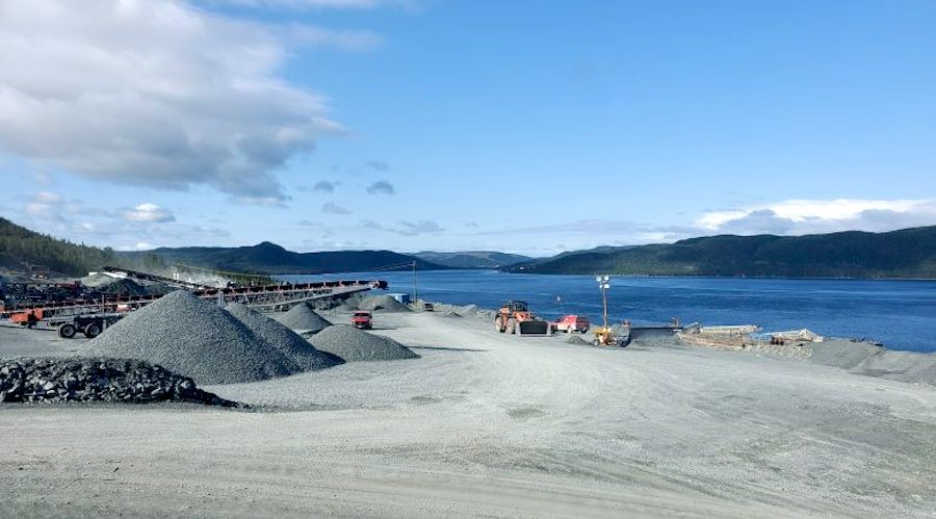
Momentum is building across Eastern Canada’s mining sector. Companies are restarting suspended projects, launching new ones and expanding exploration activities. While record gold prices are driving renewed investment, growing demand for critical and strategic minerals is creating even greater opportunities.
Developing a strong critical and strategic minerals value chain is increasingly important to Canada’s economic, energy and technological sovereignty. With continued government support, Eastern Canada has the potential to become a powerful economic engine for decades to come, especially as it connects efficiently with European and global markets.
Mining companies rely on consulting engineering firms throughout the project life cycle. To fully realize this potential, projects must be planned and executed through a multidisciplinary approach that integrates engineering, environmental management, permitting, infrastructure, energy and community engagement.
Mining projects are increasingly interconnected
Many exploration projects in Eastern Canada are in remote northern regions, where advancement often depends on infrastructure such as roads, power supply and transportation networks. Decisions about energy, transportation, water management and community development are closely linked. Power supply influences operating costs and environmental performance, while transportation infrastructure affects project economics and construction schedules. Community priorities also shape project design.
When these factors are addressed separately, projects can face delays, redesigns and added costs. A multidisciplinary approach helps identify constraints and opportunities early, reducing risk, improving outcomes and accelerating the path to production.
Environmental performance and community partnerships
Communities increasingly expect meaningful engagement, transparency and clear local benefits. Regulators, investors and Indigenous partners are also placing greater emphasis on environmental performance and responsible resource development. A project cannot move forward without community support, making early engagement and meaningful consultation essential.
Many projects are in regions with sensitive ecosystems already experiencing the effects of climate change. Project teams must understand both the environmental impacts of development and its implications for surrounding communities.
Multidisciplinary teams play a critical role in ensuring permits and environmental assessments are completed on schedule while helping manage complex projects effectively. They also develop solutions that reduce environmental impacts and support more sustainable outcomes.
Long-term success depends on building trust, demonstrating responsible project delivery and maintaining strong relationships with communities, partners and stakeholders. By bringing together engineers, architects, environmental professionals, biologists and other specialists, multidisciplinary teams strengthen project design, improve decision-making and deliver projects that are more sustainable, resilient and broadly supported.
Local presence also matters. Teams that understand community priorities and concerns are better positioned to build trust, foster meaningful dialogue and support better outcomes. Without social acceptability, a project simply cannot move forward.
Projects should also create lasting benefits for local communities. From access to clean drinking water to reliable energy infrastructure, development can help address broader community needs while supporting regional prosperity.
Energy is now a critical project driver
Access to reliable energy has become a major factor in mining development across Eastern Canada. In many prospective regions, limitations in grid capacity, transmission infrastructure or power reliability can affect project feasibility and timelines.
Developers increasingly evaluate energy requirements alongside mine planning, infrastructure development and environmental objectives. Energy-efficiency measures, renewable generation and hybrid systems can improve resilience while managing long-term operating costs.
A diversified portfolio of renewable energy sources, including hydroelectricity, solar, wind and green hydrogen, should be a key pillar of economic development in Eastern Canada. Reducing reliance on fossil fuels will help address environmental challenges while limiting exposure to global supply chain disruptions that affect energy costs and availability.
Ultimately, competitiveness will depend on production costs. To remain competitive, we must create an industrial environment that encourages renewable energy development. Strategic development, such as the recent Churchill Falls agreement, plays a critical role in providing reliable, affordable and low-carbon energy needed to support long-term economic growth.
Infrastructure creates value beyond the mine
Mining projects often require substantial investments in roads, ports, power systems, transportation corridors and communication networks. When planned strategically, these assets can create benefits that extend well beyond a single operation.
Taking a broader view helps ensure infrastructure supports both current mining needs and long-term regional development. Shared infrastructure, improved connectivity and expanded transportation networks can strengthen local economies, support future industries and improve access for remote communities.
Building capacity for long-term growth
The mining sector continues to face labour challenges, particularly in remote regions where housing, services and workforce attraction can be limiting factors.
Addressing these challenges requires thinking beyond immediate construction and operational needs. Successful projects support workforce development, create opportunities for local businesses and help build long-term regional capacity.
The path forward
The future of mining in Eastern Canada will depend on the ability to bring together engineers, environmental specialists, infrastructure experts, governments, communities, Indigenous partners and regional stakeholders around a shared vision for development.
By taking a collaborative approach, the industry can unlock new opportunities while ensuring development is sustainable and delivers lasting benefits for future generations.
Catherine Tremblay is vice-president, Greater Montreal and Abitibi Regions, and Jérôme Pilon is vice-president, Quebec and Atlantic Regions at BBA Consultants.


Related Posts

Digging deep: how mining companies need to address community safety internally and externally
Sponsored forum video: Resolute targets first gold at Doropo in 2028
October 15, 2026
Sponsored forum video: Resolute targets first gold at Doropo in 2028
Sponsored video: Liberty Gold eyes debt to fund Blackpine build
October 15, 2026
Sponsored video: Liberty Gold eyes debt to fund Blackpine build

Glencore management honoured amongst Canada’s Clean50
October 15, 2026
Glencore management honoured amongst Canada’s Clean50
Tenaris produces new steel grade for Canadian energy operators
October 14, 2026
Comments