Komatsu puts safety conversations to work
Q&A with George Carlough, vice-president of global EHS at Komatsu
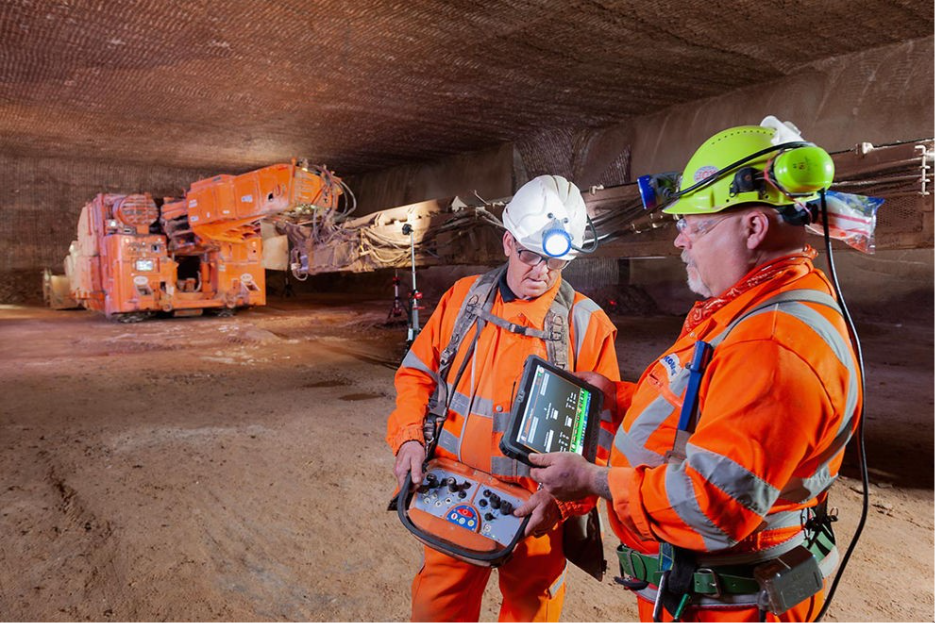
Workplace safety depends on more than tracking incidents. At Komatsu, meaningful conversations between leaders and frontline workers are central to identifying risks, strengthening trust and supporting continuous improvement. The company conducted more than 47,000 safety engagement conversations in one year, while participation increased 74% and recordable workplace injuries declined 30% over five years. Its approach combines leadership commitment, preventive measures and employee feedback, with technology supporting human judgment and direct engagement. In this Q&A, George Carlough, vice-president of global EHS at Komatsu, explains how the company builds a consistent safety culture across its global operations and what other manufacturers can learn from its shift toward proactive risk management.
Q: Komatsu moved beyond conventional behaviour-based observations toward ongoing conversations between leaders and frontline workers. What prompted that shift, and how did the company ensure these discussions identified risks and built trust rather than becoming another compliance exercise?
A: Komatsu recognizes that strong systems and trusted relationships are essential to supporting safe behaviours. To reinforce this understanding, we have redefined our employee engagement — observation process to include meaningful discussions between leaders and frontline workforce, helping foster an open and transparent culture of dialogue. When our employees feel heard and valued, trust is strengthened — and that trust is essential to driving sustainable change and continuous improvement.
Q: Komatsu conducted more than 47,000 safety engagement conversations in one year, with participation increasing 74% over five years. How did you establish a consistent program across more than 150 facilities in nine regions while accommodating different languages, regulations, workplace conditions and cultural expectations?
A: A consistent safety culture begins with a clear strategic vision, aligned expectations and strong leadership commitment. Our global environment, health and safety (EHS) team, in partnership with their regional operations, logistics and service leadership, plays a critical role in translating our vision into actions, ensuring consistent alignment of safety expectations throughout the global organization. The commitment and leadership of our EHS organization are fundamental in establishing and sustaining a consistent, world-class safety culture across our business.
Q: Recordable workplace injuries declined 30% over five years. How did Komatsu determine the relationship between increased engagement and improved safety performance, and which indicators helped distinguish meaningful conversations from participation numbers alone?
A: A strong focus on preventive measures and leading indicators is widely recognized as a key driver of improved and sustainable safety performance. Our global data demonstrates a clear association between increased employee safety observation engagements and a reduction in workplace injuries. This positive trend is reinforced by objective measures, including employee safety perception surveys, audits and Gemba observations. These measures demonstrate continued improvement in safety culture, employee confidence and overall safety performance.
Q: Komatsu is investing in artificial intelligence (AI), automation and connected equipment while emphasizing that human judgment, adaptability and training remain essential. How can manufacturers use safety data and emerging technologies proactively without allowing dashboards or algorithms to replace frontline experience and direct worker engagement?
A: As technology and data increasingly shape how we manage safety, we must remain focused on what matters most — our people. Technology and data are powerful tools that should enhance employee engagement, strengthen feedback and support better decision-making, but they should never replace meaningful human connection. We will continue to engage directly with our employees, listen to their experiences and suggestions and use their insights alongside data to understand the full safety and health picture. As we continue to invest in technology, our commitment to people, relationships and frontline engagement will remain the center of our safety strategy.
Q: What practical lessons can other manufacturers take from Komatsu’s experience, particularly those seeking to move from tracking incidents after they occur toward identifying risks earlier and building shared accountability for workplace safety?
A: The foundation for transitioning from a reactive to a proactive safety culture is a unified EHS strategy, reinforced by clear, consistent messaging and strong leadership commitment and active engagement throughout the organization. This strategy must reinforce that disciplined execution of leading indicators is a fundamental driver of sustained improvement in lagging safety performance. Equally important is equipping the organization with the tools, common language, messaging and training necessary to embed this mindset into daily operations and drive lasting cultural change.
Related Posts
When minutes become millions: The hidden cost of traditional blast-clearance practices in underground mining
Barrick targets November filing for North American IPO
November 9, 2026
Barrick targets November filing for North American IPO
St Barbara to restart Touquoy amid federal review hurdle
November 5, 2026
St Barbara to restart Touquoy amid federal review hurdle
CMI adds mining innovation leader to board
November 5, 2026
CMI adds mining innovation leader to board
Sask. Research Council, Hitachi partner on mineral analysis tech
November 5, 2026
Comments