Inside New Found Gold’s approach to a social licence at the Queensway Project
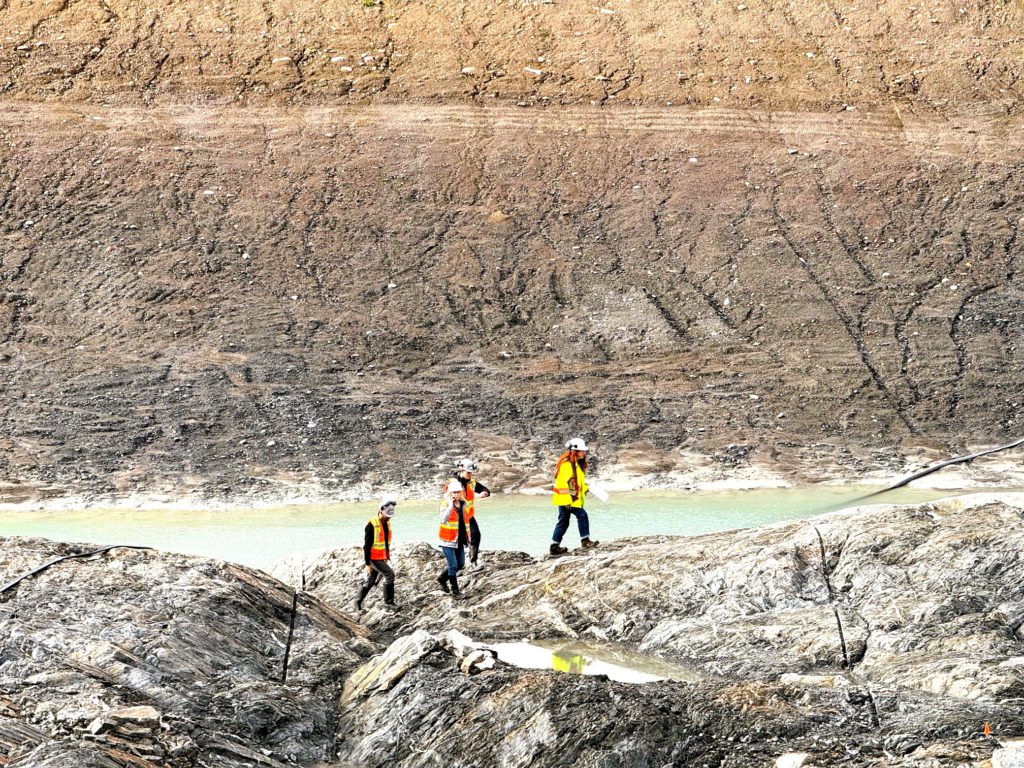
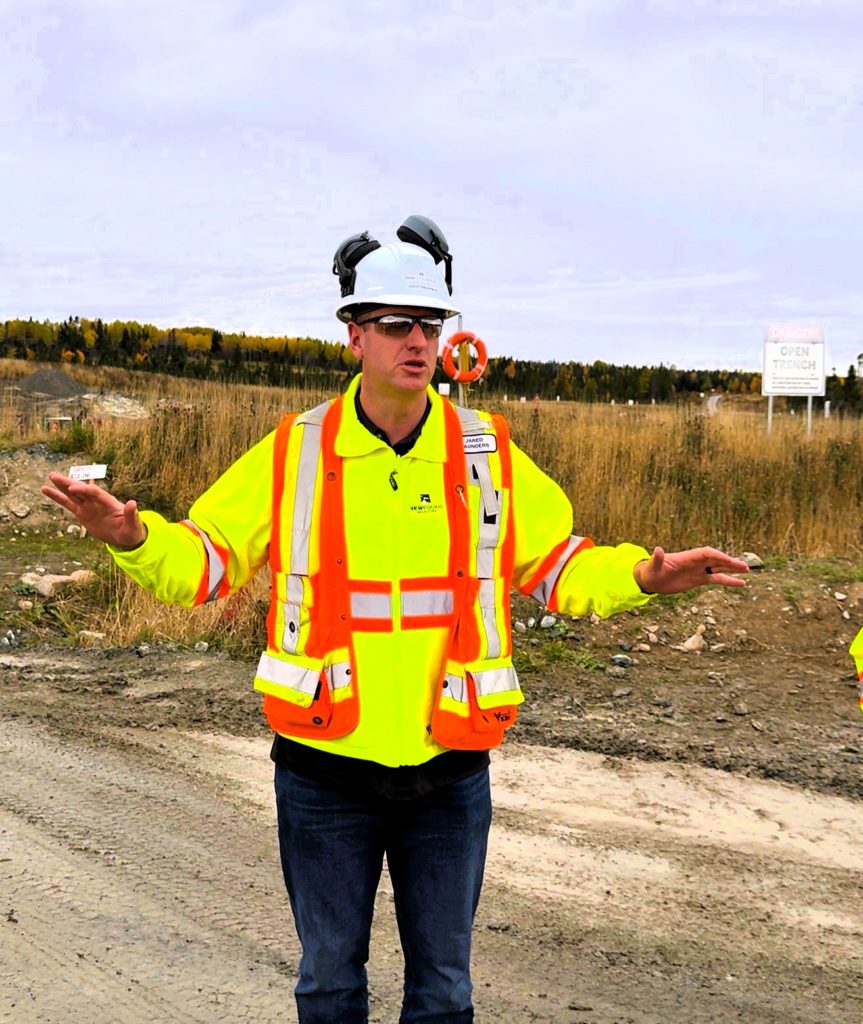
During a site visit to New Found Gold Corp.’s Queensway Gold Project near Gander, Canadian Mining Journal spoke with Jared Saunders, the company’s vice-president of sustainability, about how New Found Gold is working to strengthen community relationships and ensure transparent, efficient permitting, as it advances one of Canada’s most promising exploration projects.
New Found Gold completes Maritime takeover
New Found Gold Corp. and Maritime Resources Corp. announced on Nov. 13, 2025 that they have completed their previously announced plan of arrangement, whereby New Found Gold has acquired all outstanding shares of Maritime Resources — effectively creating a multi-asset Canadian gold producer. Under the terms of the deal, Maritime shareholders received 0.75 of a New Found Gold share for each share held, leaving the combined company with roughly 69% of its equity owned by legacy New Found Gold investors and 31% by former Maritime shareholders. The transaction brings together the high-grade, near-term producing Hammerdown Gold Project with the 100%-owned Queensway Gold Project in Newfoundland and Labrador — assets that now position the merged entity for near-term cash flow and a pipeline toward future growth.
At the heart of New Found Gold’s approach is early and consistent communication — not only with regulators but also with Indigenous and local communities who live closest to the project. Saunders said that this proactive outreach is central to building long-term trust and ensuring that formal approvals proceed smoothly.
“New Found Gold is being very active in the community with all of our stakeholders,” Saunders said. “That is one of the things we are proud of. We try to include stakeholders as early as possible to keep people informed and to answer their questions — and really that allows us to get out in front and make the permitting process even better.”
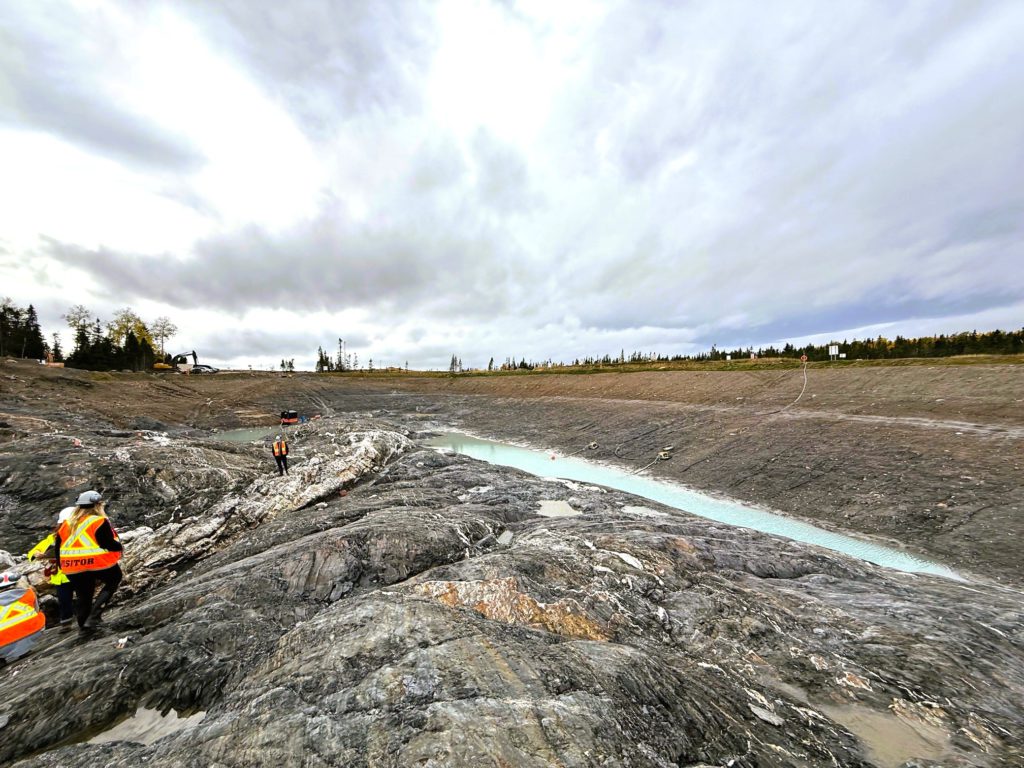
The Queensway Project, located just outside the towns of Gander and Appleton in central Newfoundland, is regarded as one of the highest-grade near-surface gold discoveries in North America. With a land package spanning about 1750 km2 and covering 110 km along two major fault zones, the project anchors New Found Gold’s vision to develop Newfoundland and Labrador into a modern mining hub.
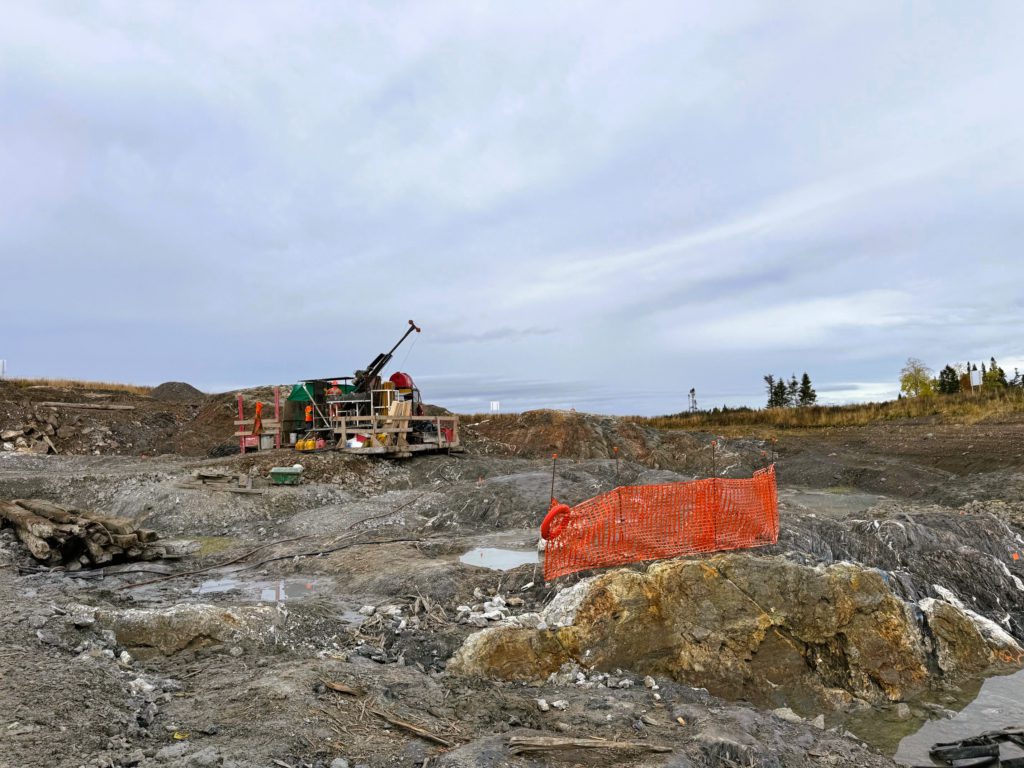
According to Saunders, New Found Gold’s success rests not only on drill results — more than 600,000 metres of drilling completed since 2020 — but on the company’s ability to build relationships that will last beyond exploration. That includes regularly meeting with municipal leaders, Indigenous communities, and local residents to explain exploration plans, timelines, and permitting steps.
“Some of our smaller communities do not have the expertise in how to handle the more advanced permitting processes that we are going through,” he said. “So, we go in and explain to them what they will be asked to review as part of the process — explain the permitting process even before we start — so they can answer questions in one-on-one settings and learn.”
That open dialogue, Saunders said, helps reduce uncertainty and builds confidence on all sides once regulators begin their formal review. The company also engages early with provincial departments, such as the Water Resources Division and the Environmental Assessment Agency, to present project concepts and identify potential concerns before applications are filed.
“We go to them and say, ‘This is the project we would like to do. Here is what we are thinking about doing. Do you have any concerns with this aspect or that aspect?’” Saunders explained. “That way we can manage those before the formal permitting process even really starts. When it gets in front of them for review, it is ready for them. They know what is coming and understand how we are going to mitigate certain things.”
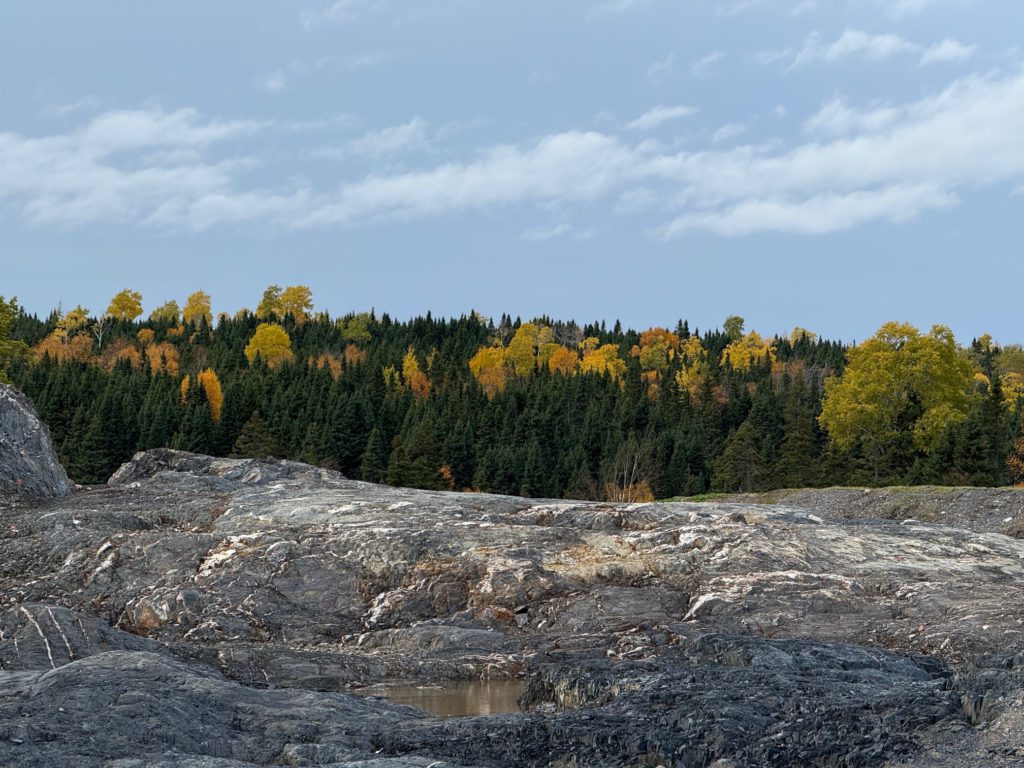
New Found Gold’s transparent approach to permitting reflects its broader philosophy as a company. Headquartered in Vancouver, the firm holds a 100% interest in the Queensway Gold Project and is advancing a 70,000-metre drill program in 2025. Earlier this year, it published its first mineral resource estimate followed by a positive preliminary economic assessment (PEA) in July, highlighting the project’s strong development potential.
The company also emphasizes environmental stewardship, community partnerships, and ethical governance. Saunders said these priorities are “fundamental to maintaining social licence and ensuring that when we build, we do so responsibly.”
“It just helps everyone,” he added. “It is less work for them and less work for us overall. So, we are actively out in the community engaging all of our key stakeholders.”
As New Found Gold continues exploration and prepares for potential development, Saunders said the company’s focus will remain on openness, dialogue, and long-term trust.
“We are really out there to make sure people are informed,” he said. “And if they do have a concern, we help them understand how we are mitigating those concerns — before we even start to get shovels in the ground,” he concluded. 
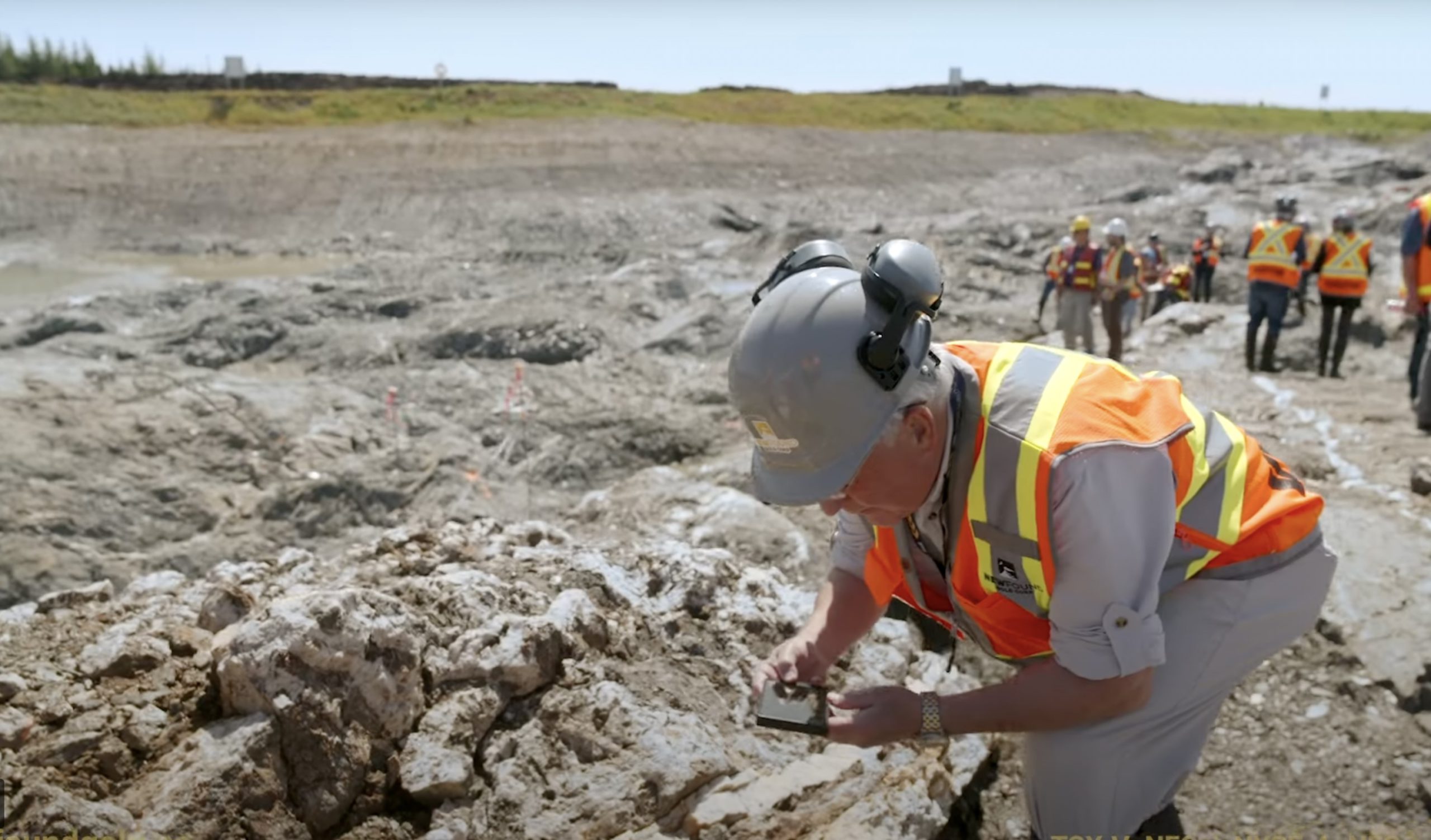
This article is based on a CMJ video interview recorded at New Found Gold’s offices in Gander, Newfoundland and Labrador. The video can be found here:
https://www.youtube.com/watch?v=d_Yjgg32SuM
Related Posts
JV Article: Drilling, feasibility work sharpen Spanish Mountain case
January 29, 2026
JV Article: Drilling, feasibility work sharpen Spanish Mountain case
MABC hails Eskay Creek approval as major economic win for B.C.
January 29, 2026
MABC hails Eskay Creek approval as major economic win for B.C.
Ausenco to lead process plant engineering for Crawford project
January 29, 2026
Ausenco to lead process plant engineering for Crawford project

TNM reveals latest bonus prize Treasure Hunt clue
January 29, 2026
TNM reveals latest bonus prize Treasure Hunt clue
Comments