Precision over volume: Surface mining’s new productivity imperative
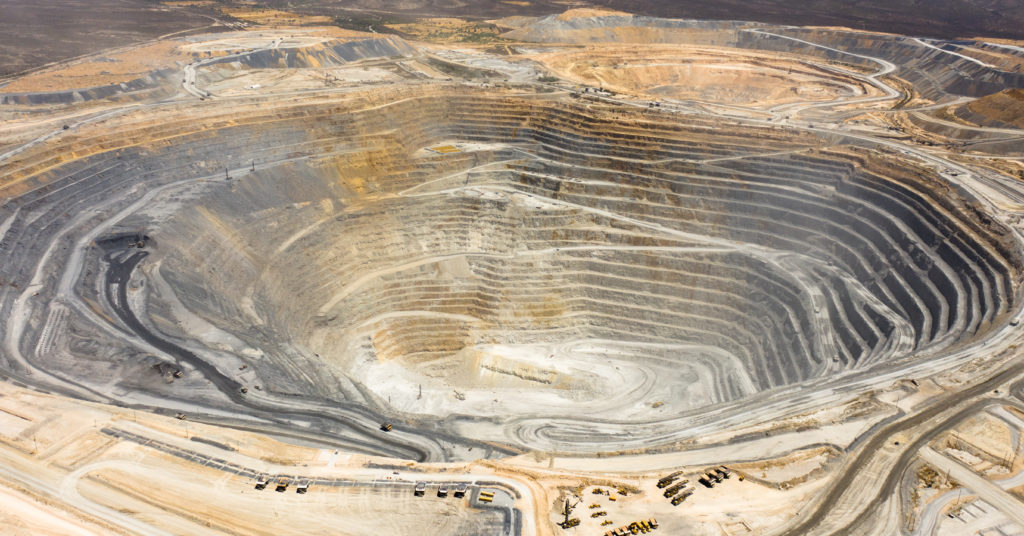
Surface mining has rarely been simple, but today’s operators are navigating a convergence of pressures that are fundamentally reshaping performance. Above inflation cost escalation, increasingly complex orebodies as pits deepen, and persistent labour shortages in remote mining regions are straining both margins and predictability. Canadian miners are confronting these realities at a time when expectations for capital discipline, safety performance, and reliable output have never been higher.
Industry leaders increasingly acknowledge that productivity challenges are no longer cyclical. They are structural. Industry surveys consistently point to operational complexity as a primary threat to profitability and for surface miners; the implication is clear: improving output alone is not enough. Productivity gains must be precise, sustainable, and intentionally embedded into how the business plans, operates, and adapts.
From targets to tradeoffs: Reframing productivity through better planning
Missed production and profitability guidance has become increasingly common across the sector. In many cases, the root cause is not a lack of effort in the pit, but a disconnect between strategic plans and operational realities. Annual plans are often built on static assumptions, while mine sites must respond daily to equipment availability, weather events, labour variability, and shifting market conditions.
The result is a reactive operating model where cost reduction measures are introduced late and applied bluntly (typically through headcount reductions, deferred maintenance, or curtailed discretionary spending). While these actions may provide short term relief, they frequently undermine longer term performance.
Scenario based planning offers a more resilient alternative. By explicitly testing downside and upside conditions (e.g., price movements, labour disruptions, or equipment constraints) leaders can agree proactively on organizational response. Embedding scenario thinking into integrated business planning helps surface miners move faster and with greater confidence when conditions change, protecting margin rather than eroding it through misaligned interventions.
Standardized work matters but people decide whether it sticks
Mining will always involve inherent variability, but human driven variability often amplifies losses across the value chain. This explains why two surface mines with similar orebodies, fleets, and operating philosophies can deliver materially different outcomes. Over the past decade, many operators have invested heavily in management operating systems aimed at standardizing work.
Yet, sustaining these systems remains a challenge. Too often, they are perceived as administrative overlays rather than practical tools that help operators succeed on shift. When frontline teams lack visibility into performance drivers, workarounds emerge, variability creeps back into operations, and improvement stalls.
Digital tools that connect the dots with impact
Advances in digital technology have already delivered meaningful productivity gains. Autonomous drilling and haulage systems are increasingly common across large surface mines, particularly in remote regions where access to skilled labour is limited. Advanced process control has also reduced variability and improved recoveries in processing operations.
However, many such gains remain localized. The next frontier for surface mining productivity lies in integration: using data across geology, planning, operations, maintenance, and processing to support real time, end to end decision making. As organizations develop these capabilities, many are also recognizing a practical gap between ambition and execution. Leaders may have access to vast amounts of data yet still struggle to translate it quickly into clear priorities.
This is where diagnostic and scenario based tools are increasingly being used to bridge this gap, helping teams move from data to insight without relying on lengthy, one off studies. One such example is MineDx, a rapid operations diagnostic designed to help surface mining teams identify key performance drivers, test operational scenarios, and prioritize improvement initiatives based on site specific realities. But tools of this nature are not a substitute for experienced judgment or strong operating discipline. Rather, they provide a structured, repeatable way to focus leadership attention on the areas that matter most. When embedded into broader planning processes or integrated operations centres, these tools can support timelier, fact based conversations across technical, operational, and commercial teams.
Journey to being the best surface miner
The journey to surface mining excellence demands a balanced view: delivering today’s production commitments while building the resilience required to perform through volatility. Improved productivity is rarely the result of a single initiative. Instead, it emerges when organizations align strategic intent with operational reality, engage their workforce in continuous improvement, and embed standard processes that stand up under pressure.
Leading operators are demonstrating that predictability and performance are unlocked not through isolated improvements, but through integrated systems that connect planning, execution, and learning across the value chain. As surface mines become deeper, more complex, and more capital intensive, this integration is no longer optional.
Digital technology will continue to play a critical role in this journey, accelerating insight, reducing variability, and enabling faster decision making. Yet, technology alone will not deliver results. The surface miners who succeed will be those who invest just as deliberately in their operating models, their data foundations, and most importantly their people. Precision, applied consistently and pragmatically, is what will separate the best operators from the rest.
Kabelo Leeka is a senior manager in EY Canada’s Metals & Mining practice and the firm’s Operational Excellence lead.
Related Posts

TNM reveals latest bonus prize Treasure Hunt clue
September 30, 2026
TNM reveals latest bonus prize Treasure Hunt clue
Gold refining goes electric
September 30, 2026
Gold refining goes electric

Mining Forum: AI begins paying off, McKinsey says
September 29, 2026
Mining Forum: AI begins paying off, McKinsey says
Montage pours first gold at Koné ahead of schedule
September 29, 2026
Montage pours first gold at Koné ahead of schedule
Mining Forum: Miners have cash but lack the crews
September 29, 2026
Comments