Rudi Fronk on KSM, Iskut and the future of mine development in B.C.
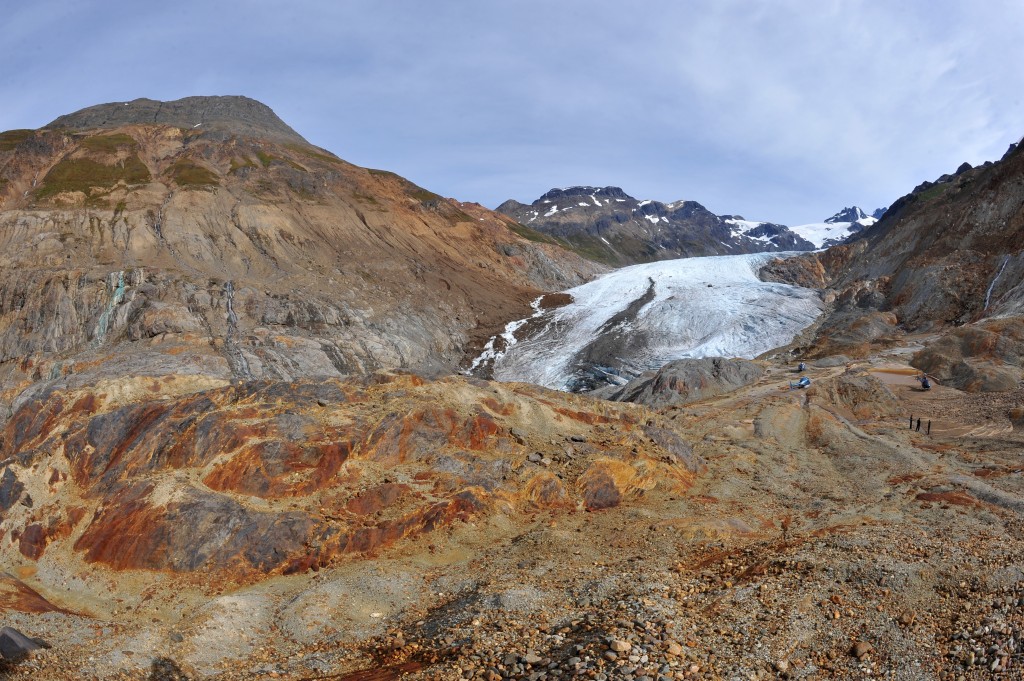
Seabridge Gold continues to advance a portfolio of large, high-potential gold and gold-copper projects in Canada, including the flagship KSM project in B.C. and recent encouraging exploration results at the Iskut property. The KSM project in northwestern B.C. is one of the world’s largest undeveloped gold-copper projects by reserves and resources. According to the company, an updated preliminary feasibility study outlined proven and probable reserves of 47.3 million oz. gold and 7.3 billion lb. copper over a 33-year mine life, while the broader project hosts multiple large deposits across the district-scale property. KSM has completed a joint harmonized environmental assessment process and secured substantially started designation, extending its environmental approvals for the life of the project.
Recent developments have continued to advance Seabridge’s broader project pipeline. In April, the province of British Columbia named KSM a priority project, while the company also reported a maiden resource estimate for the Snip North discovery at its Iskut property, now renamed the Bronson Corridor project. The initial estimate outlined more than nine million oz. inferred gold alongside significant copper and silver resources, reinforcing Seabridge’s focus on district-scale exploration growth in the Golden Triangle. The company has also continued advancing permitting work tied to the Mitchell Treaty Tunnels, a major infrastructure component of the KSM development plan.
During PDAC 2026, we sat down with Rudi Fronk (RF), chairman and CEO of Seabridge Gold, to discuss the company’s exploration progress, project strategy and outlook for mining development in Canada.
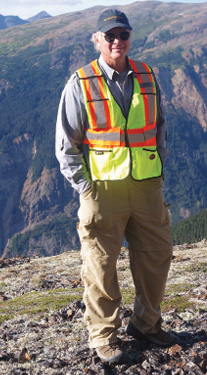
CMJ: Seabridge recently reported what it described as a significant new gold-copper porphyry system discovered at the Iskut project in northwest B.C. Could you describe what this discovery means for Seabridge’s exploration strategy — and how it complements your work on larger projects like KSM?
RF: One of our guiding principles from day one is to build optionality and leverage the gold price by simply growing ounces of gold in the ground faster than shares outstanding. We have delivered on that for many years, though most of the success has come from KSM.
In 2016, we acquired the Iskut property with the view that it could be another KSM — a big gold-copper porphyry system — and now we have tagged our first big deposit there called Snip North.
The discovery reinforces Seabridge’s long-standing approach of adding value through exploration and resource growth while maintaining exposure to rising gold and copper prices. The company has consistently emphasized large-scale systems capable of supporting long-life mining operations, particularly in B.C.’s prolific Golden Triangle region.
CMJ: How does this new system fit into your longer-term vision for resource expansion and district-scale potential?
RF: It is going to be a big deposit when we announce the initial resource. If you look at the dimensions of it right now, it is over two kilometres long, 500 to 600 metres width and with also verticality of about 500 to 600 metres. So, it is a big deposit.
When you look at KSM, we have five unique deposits at KSM, four of which are two billion tonnes or higher. This discovery at Snip North could be another two-billion-tonne deposit. The property could emerge as another major district-scale system within the company’s broader portfolio.
CMJ: Seabridge has a strong portfolio of assets, including KSM and other projects that host large gold and copper resources. How are you balancing exploration and resource expansion with efforts to unlock value for shareholders — whether through spinouts, partnerships or development progress?
RF: Shareholder value is everything to us. We focused on that right from day one. If you look at our track record over the past 25 years, our share price has significantly outperformed the gold price and other gold equities by a margin of 10 to one. So, we have delivered on the concept of optionality leverage. KSM remains central to that strategy because of its scale and long-term development potential.
Today, KSM is the world’s largest undeveloped gold project as measured by reserves and resources. It is the third-largest undeveloped copper project in the world.
Our company’s value creation strategy has extended beyond exploration success alone. Seabridge has also focused heavily on advancing KSM through environmental review and early-stage infrastructure work designed to de-risk the project for potential development partners. That has led to a lot of value in the marketplace, not just through exploration and quantifying resources and reserves, but also taking the project successfully through the environmental assessment process with certificates in hand, starting early site construction activities at the project including roads, bridges and fish compensation areas, tying into the power grid.
The company has also completed a series of early works initiatives that ultimately led to a major regulatory milestone: we achieved our substantially started designation in July of 2024, which means that the approvals we now have — environmental approvals — are now good for the life of the project.”
CMJ: Has the changing economic environment for gold and critical minerals influenced your strategic priorities?
RF: It helped. KSM is beyond our capabilities to build. Now, the company’s priority is to secure a major mining partner capable of financing and constructing a project of KSM’s scale. It is a project that will be producing metal for perhaps 100 years. However, the number of companies capable of developing a project the size of KSM remains limited. It is going to be a more than $6-billion build to put into production.
However, stronger metal prices have significantly improved the environment for potential partnerships and project financing. Two or three years ago when we started the formal joint-venture process, these big companies were not generating a lot of cash flow, and they were not looking at big project opportunities that would cost a lot of capital to build.
Now with gold close to $5,000 and copper about $6 per pound, these companies are now generating tremendous cash flows and for the first time in more than a decade, they can look at big projects again to advance and bring into their own portfolio. Thus, Higher metal prices, combined with years of technical and permitting work at KSM, have substantially reduced project risk in the eyes of potential partners.
CMJ: British Columbia remains a major mining jurisdiction with active projects and exploration but also evolving permitting and environmental expectations. From your perspective, what are the biggest opportunities — and challenges — for advancing large-scale mining projects like KSM in B.C.’s regulatory and community landscape?
RF: Permitting is hard, make no mistake about it. The involvement with Indigenous groups in the permitting process also creates challenges. KSM required the company to navigate both provincial and federal environmental review processes, which included overlapping requirements. Provincial and federal governments must look at streamlining and harmonizing the environmental assessment process.
I also would like to emphasize the complexity of Indigenous consultation and the importance of clearer guidelines around engagement expectations. We have done that very diligently for the past 17 years now, meeting with First Nations, answering their questions and making design changes.
After we got our substantially started designation in 2024, there was a challenge brought forward by one Indigenous group, the Skii km Lax Ha Nation, basically claiming that we did not properly consult and engage with them during that review process. The company applied the same consultation approach across multiple Indigenous communities involved in the KSM review process: the Nisga’a Nation, the Tahltan Nation and the Gitxsan Nation, all of which endorsed the application.
Having some guidelines on what constitutes adequate consultation and engagement would be helpful.
CMJ: Are there particular policy areas you believe could help accelerate responsible development on projects with long lead times?
RF: It takes a long time. We started the environmental assessment process in 2008. We got our environmental approvals in 2014. It took over six years to get that.
Lengthy timelines continue well beyond environmental approvals, particularly when projects enter the permitting phase to get operating and construction permits. There are examples of projects that have the environmental assessment certificate and then they sit for years and years because the permitting — the other permits you need — are not moving forward. Ultimately, stronger coordination and accountability mechanisms within the permitting system could help reduce delays.
A permitting czar or some lead agency to make sure that regulators were meeting their timelines to grant permits would be helpful because time is also money.
Federal involvement remains important, but a harmonized review structure would likely provide the best outcome for developers navigating large-scale projects.
Watch the full interview at
https://youtu.be/rE-gYmDKcgQ?si=5_BBgESKEhC0TnJ3
Related Posts
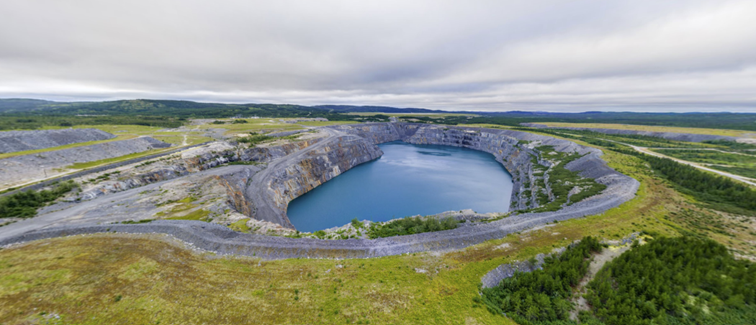
Troilus nails down US$850 million for gold-copper mine redevelopment
September 28, 2026
Troilus nails down US$850 million for gold-copper mine redevelopment
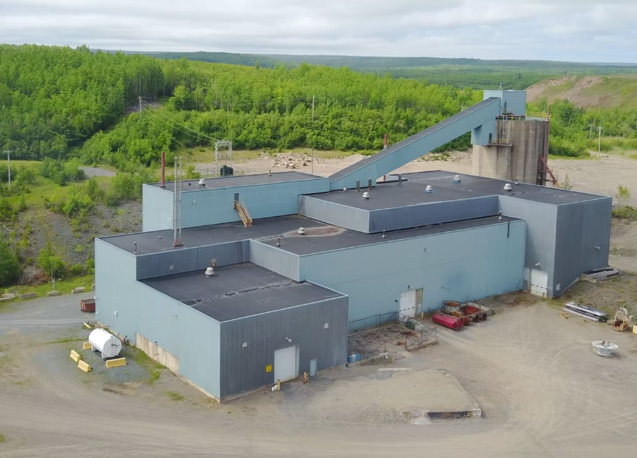
Ore sorting tests slice CAPEX for EDM’s Scotia lead-zinc mine by 57%
September 28, 2026
Ore sorting tests slice CAPEX for EDM’s Scotia lead-zinc mine by 57%
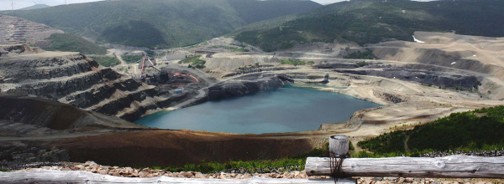
Osisko Metals cuts 0.59% copper over 211 metres at Gaspe
September 28, 2026
Osisko Metals cuts 0.59% copper over 211 metres at Gaspe
Sponsored video: Isometrix says shared data can flag mine risks early
September 28, 2026
Sponsored video: Isometrix says shared data can flag mine risks early

Team TS^2 wins AI4SafeMines student competition
September 28, 2026
Comments