The Impact Assessment Agency of Canada has opened its third round of public consultation for a major gold mining project that could reshape the landscape southeast of Red Lake, Ontario for the next two decades.
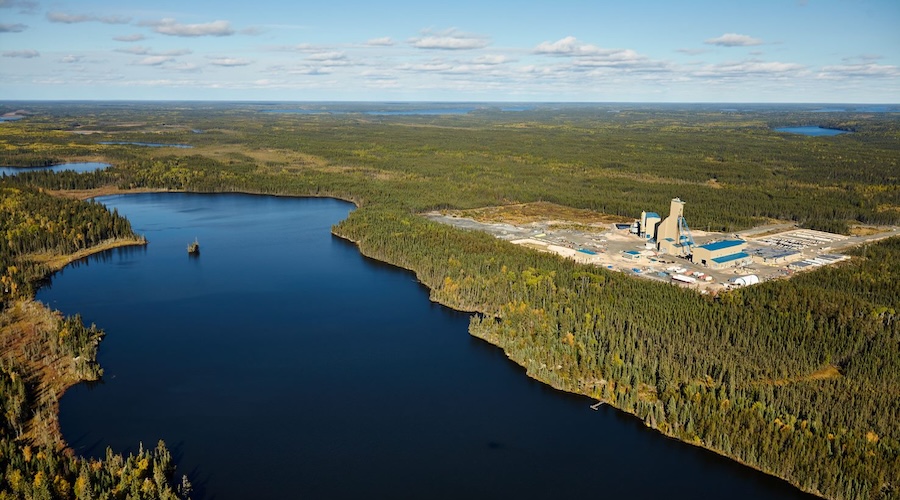
Kinross Gold wants to build and operate the Great Bear gold project, an ambitious mining operation that would combine open-pit and underground extraction methods just 23 km from Red Lake. The company envisions producing up to 60,000 tons of ore daily from two open pits, while an on-site metal mill would process 15,000 tons of ore each day throughout the mine's expected 20-year lifespan.
Federal assessors are now asking Indigenous communities and members of the public to examine and comment on the company's impact statement summary, which outlines how the proposed mine could affect the surrounding environment. The document pays particular attention to federal concerns including fish habitat, migratory bird populations, and potential impacts on Indigenous peoples.
Agency officials emphasize that community input during this consultation period will directly influence the preparation of a draft impact assessment report and help determine the project's next review steps. The federal government treats these consultations as critical checkpoints in evaluating whether large-scale resource projects should proceed.
Residents and Indigenous communities have until 11:59 p.m. on May 29, 2026, to submit their feedback through the Canadian Impact Assessment Registry website using reference number 85832. The agency accepts comments in both English and French and encourages participants to share their perspectives on how the mining operation might affect their communities and traditional territories.
Those who prefer alternative submission methods can contact the agency directly at GreatBear@iaac-aeic.gc.ca rather than using the online portal. All comments received will become part of the public project file and appear on the registry website.
The consultation represents the third of four planned opportunities for public engagement during the federal assessment process. Previous rounds allowed communities to raise initial concerns and respond to the project's scope, while a final consultation will follow once assessors complete their draft report.
Environmental groups and Indigenous leaders have closely monitored the project's progress through the federal review system, particularly given its proximity to existing Indigenous territories and sensitive ecosystems around Red Lake. The proposed mine would operate in an area already home to several gold mining operations, adding to cumulative environmental pressures in the region.
Kinross Gold Corporation has positioned the Great Bear project as a significant economic opportunity for northwestern Ontario, promising job creation and community benefits alongside its mining operations. The company must demonstrate that it can minimize environmental harm and address Indigenous concerns before receiving federal approval.
The federal assessment focuses specifically on areas under Ottawa's jurisdiction, including impacts on fish populations, migratory birds protected under federal legislation, and constitutional obligations to Indigenous peoples. Provincial regulators will conduct separate reviews covering other environmental and safety aspects of the proposed operation.
Community members interested in receiving updates about the project's progress can sign up for notifications through the Canadian Impact Assessment Registry. The agency will announce the timing and format of the fourth consultation period once assessors complete their draft impact assessment report later this year.
The Great Bear Gold Project joins dozens of major resource developments currently under federal environmental review across Canada, reflecting continued industry interest in expanding mining operations despite growing environmental and Indigenous rights concerns.


Comments