Several First Nation leaders stage walkout
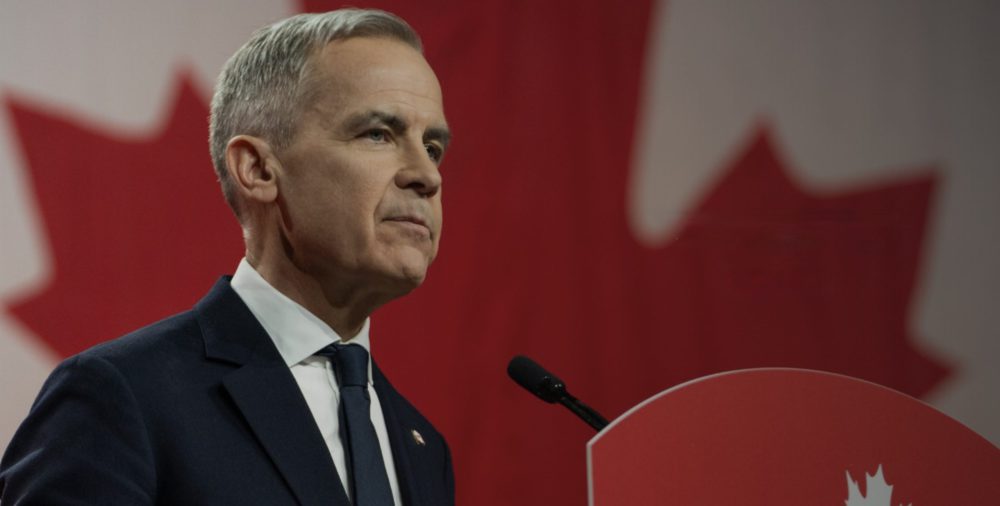
Prime Minister Mark Carney convened a summit in Gatineau, Quebec, where over 250 First Nations leaders gathered to discuss the Building Canada Act and Indigenous partnerships in major projects.
Carney highlighted how the Act could transform the Canadian economy and increase prosperity within Indigenous communities. To strengthen partnerships, the federal government announced several initiatives:
- Indigenous Advisory Council: The government will create this council to advise a Federal Project Office and ensure that Indigenous perspectives guide every stage of projects. The council will include members from First Nations, Inuit, Métis, and representatives of modern treaty and self-government groups.
- $40 Million Indigenous Participation Fund: The government will dedicate these funds to support meaningful Indigenous leadership. The fund will encourage project inclusion, governance, and capacity-building for Indigenous communities.
- Doubled Indigenous Loan Guarantee Program: The program now totals $10 billion. The government designed this initiative to unlock capital so Indigenous groups can pursue equity ownership in major projects.
The government also committed to continuing these efforts through ongoing regional dialogue and future meetings with Inuit and Métis leadership.
Mandy Gull-Masty, minister of Indigenous services, said: “This Summit marks a turning point. The One Canadian Economy Act is not just about inclusion – it’s about recognizing that prosperity comes when First Nations are full partners in shaping the future. Together, we are building an economy that reflects our shared values, our shared responsibilities, and our shared potential.”
Several First Nations leaders walked out of Thursday’s summit, frustrated by Prime Minister Carney’s attempt to address their ongoing concerns about the Building Canada Act (formerly Bill C-5). They denounced the summit as a superficial show.
Despite opening the summit with optimism about consensus, Prime Minister Carney faced disappointment from Mohawk Council of Kahnawake Grand Chief Cody Diabo. Diabo criticized the summit structure, saying it prevented First Nations leaders from engaging in meaningful dialogue with Carney.
Carney reiterated his commitment to listening to First Nations' concerns about the legislation. The Building Canada Act allows the federal cabinet to expedite approvals for major projects deemed nationally significant. Carney emphasized his intention to answer their questions directly.
During his opening remarks, Carney declared: “First Nations will share in the economic value of these projects as partners; this will build prosperity in your communities for generations to come.”
After Carney’s remarks, officials escorted media from the room, which blocked public access to Assembly of First Nations (AFN) National Chief Cindy Woodhouse Nepinak’s speech.
Woodhouse Nepinak later apologized for limiting access and confirmed that the AFN had advocated for transparency throughout the summit.
The government held this closed-door meeting in response to the controversial passage of the legislation, which many chiefs believe sidelined their rights. The law enables the cabinet to fast-track major projects and bypass existing regulations.
Former national chief Ovide Mercredi confronted Carney directly. According to a recording obtained by The Canadian Press, Mercredi urged Carney to earn First Nations’ trust and respect their rights and territories.
Sheila North, former grand chief of Manitoba Keewatinowi Okimakanak, criticized attempts to cut Mercredi’s speaking time. She asserted that Carney must value the knowledge First Nations bring to the table.
Carney insisted that the summit marked “the first step in a process” toward collaborative nation-building. He clarified that the government has not yet selected specific projects for fast-tracking, emphasizing the need for collaboration within the new legal framework. He plans to hold similar meetings with Inuit and Métis leaders.
Many First Nations leaders, however, entered the summit with low expectations and warned that the event could not serve as a substitute for proper consultation. When reporters asked Carney if he expected First Nations support, he responded, “Yes I do,” explaining that everyone seeks opportunities for future generations.
The government has scheduled upcoming discussions with Inuit and Métis leaders. The Prime Minister is reportedly set to meet with leaders in Inuvik in ten days, although a spokesperson has not yet confirmed these plans.



Comments