China’s MMG (HKEX: 1208) has pledged to maintain or increase nickel supplies to Europe as its planned $500 million purchase of Anglo American’s (LON: AAL) Brazilian operations faces regulatory concerns.
The European Commission told MMG on Wednesday it was concerned the transaction could divert low-carbon ferronickel away from Europe, potentially raising costs for the region’s stainless steel producers.
“Such a diversion of supply, combined with limited alternative supply sources, could adversely affect the price of low-carbon ferronickel,” the Commission said, pointing to potential consequences for European stainless steel producers and their costs.
MMG countered that Europe remains the most attractive market for the Brazilian ferronickel and that it has neither an incentive nor plans to redirect supplies to China. The company added it is prepared to provide guarantees to European customers or the Commission and intends to supply Europe with at least the volumes currently provided by Anglo, with the potential to increase them.
Supply dispute
Anglo agreed last year to sell its Brazilian nickel operations to MMG, prompting regulatory scrutiny over the potential impact on ferronickel supplies. The raw material is used in stainless steel production.
Anglo disputed the Commission’s assessment, saying it failed to account for significant growth in ferronickel supply over the past 12 months.
“European customers of ferronickel benefit from competitive, diverse and increasing supply from numerous producers across Latin America, New Caledonia, South Korea, Indonesia, Japan and others,” an Anglo spokesperson said in an email to Bloomberg.
The transaction would maintain rather than reduce the number of suppliers serving the market, the spokesperson added.
Nickel expansion
The acquisition would mark MMG’s entry into nickel production and expand the presence of Chinese companies in the global industry, which already includes major investments in Indonesia.
The Hong Kong-listed miner operates projects across Australia, Africa and South America and is controlled by state-owned mining and trading giant China Minmetals Corp.
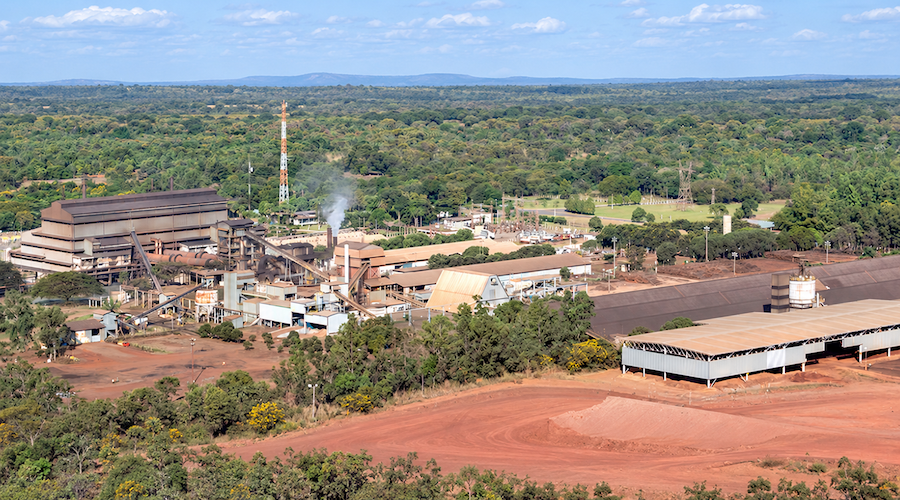
The deal would add Anglo’s Barro Alto and Codemin operations in Brazil to MMG’s portfolio. Together, the operations produce about 40,000 tonnes a year of nickel contained in ferronickel. MMG would also acquire two undeveloped projects.
The EU’s objections puts the availability of low-carbon ferronickel at the centre of the regulatory review.
MMG can now respond to the EU and request an oral hearing. The Commission has until Nov. 30 to make a final decision.
Comments