New model for recovering critical minerals from legacy mine waste
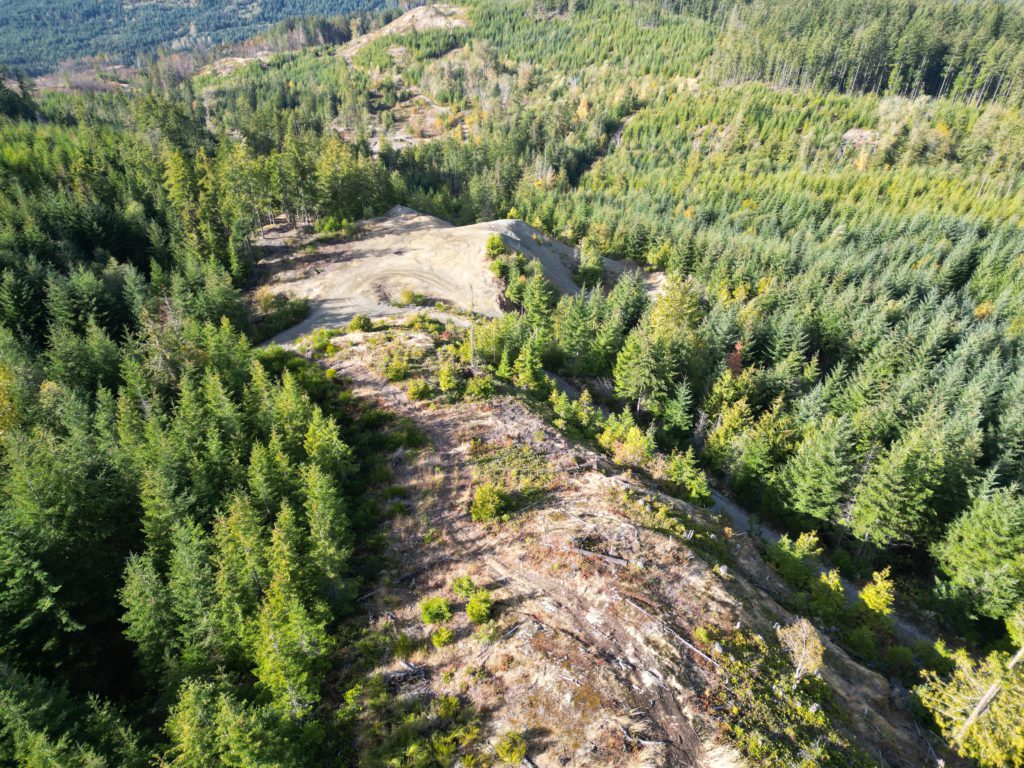
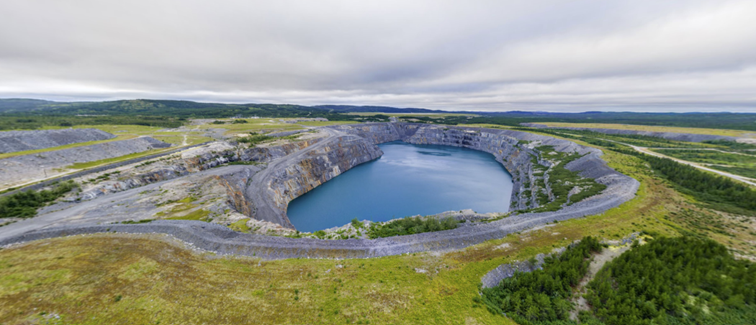
Thousands of legacy mine sites across Canada and the U.S. pre-date modern environmental regulations. Many contain historic sulfide-bearing waste rock left exposed at the surface — material that now represents both environmental liability and potential sources of critical minerals.
The scale of legacy mine waste
Canadian mineral exploration firm Sasquatch Resources is advancing a remediation-focused proposal at one such site in B.C. that could serve as a proof-of-concept for linking legacy mine cleanup with mineral recovery.
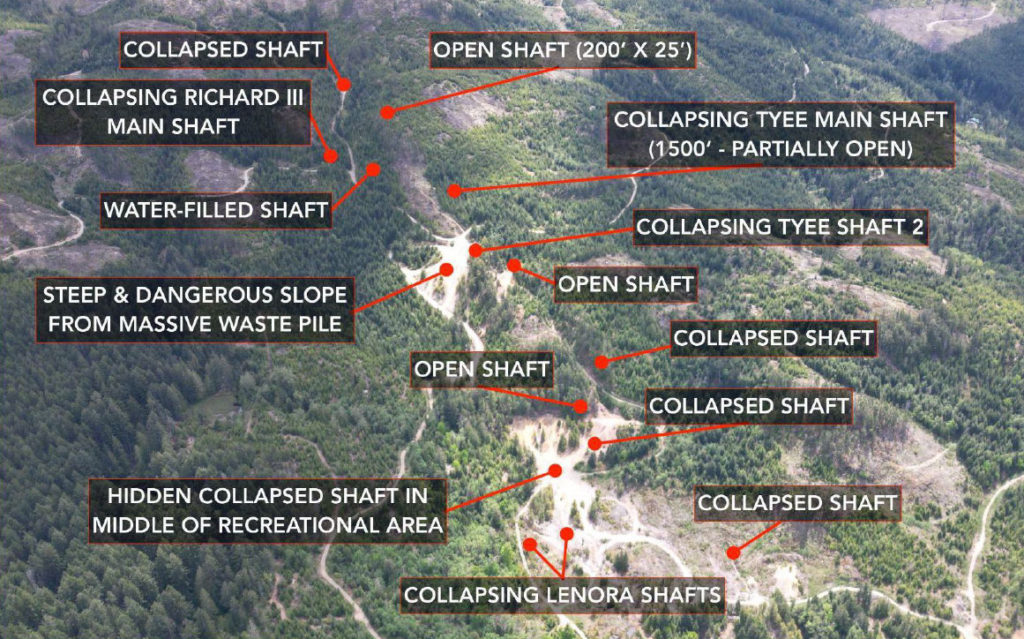
According to Geoscience BC, there are up to 2,000 legacy mine sites in B.C. alone. Many pre-date modern reclamation standards, leaving sulfide-rich waste rock exposed at the surface along with physical hazards from past mining activity.
The site: Mount Sicker
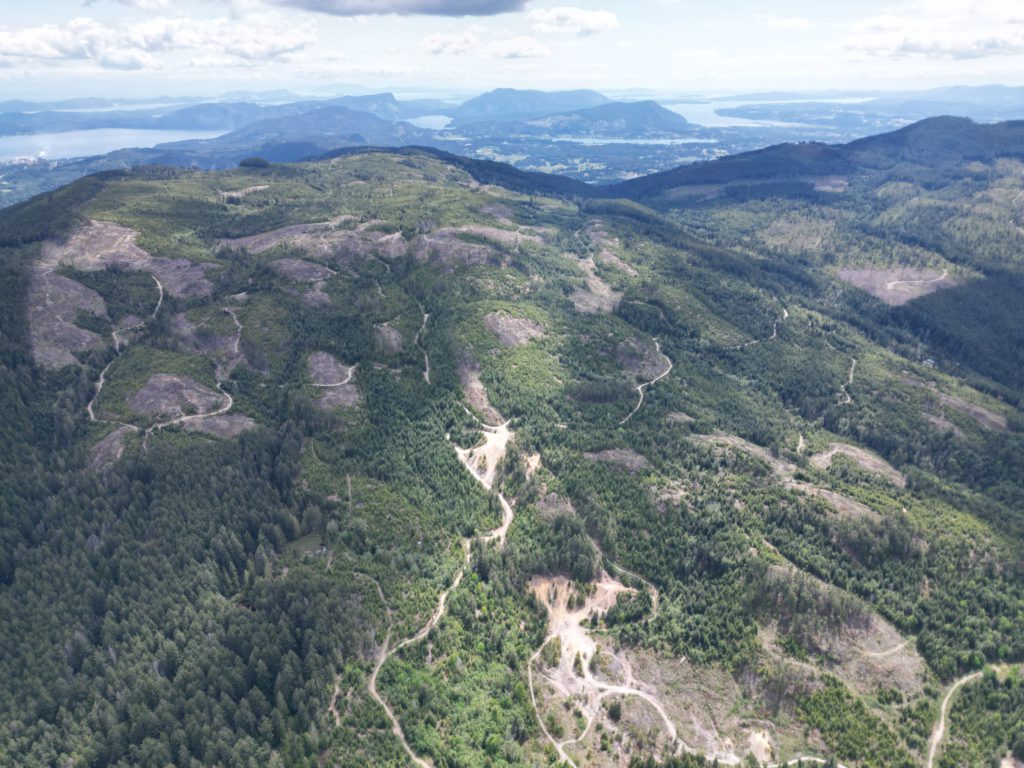
The site of this study, Mount Sicker, is a former copper-gold mining district near Duncan on Vancouver Island.
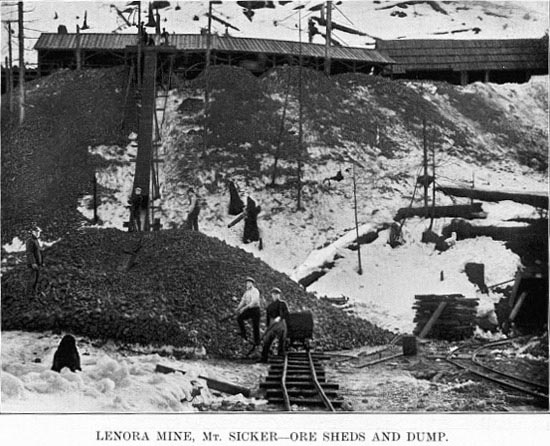
Credit: BC Archives Collection/Sasquatch Resources
Mining between roughly 1895 and 1915 left an estimated more than 300,000 tonnes of sulfide-bearing waste rock exposed on the mountainside, without reclamation or long-term oversight. Independent testing shows raw waste rock scored 0.2 on the neutralization scale, indicating strong acid-generation potential.
At the same time, the waste rock contains residual copper, gold, silver, and zinc. Recent sampling confirms mineralized material remains within the existing surface piles.
The remediation-focused approach
With environmental risk and public safety as the priority, Sasquatch Resources has advanced a remediation-focused proposal designed to remove sulfide-bearing waste while exploring whether remaining mineral value can help offset cleanup costs.
The project is structured around the physical removal and separation of the historic waste rock. The proposal was to remove the waste rock from the site, separate the material causing acid generation from more stable rock, and restore disturbed areas, including securing or closing open mine shafts and addressing other long-standing physical hazards.
Waste-rock recovery is not new, but the combination of large-scale surface remediation, mechanical sorting without chemical additives, and reclamation embedded in project approvals distinguishes this proposal.
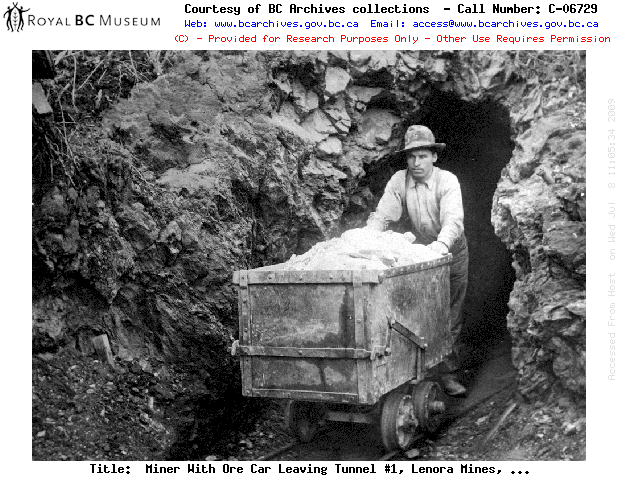
Credit: BC Archives Collection/Sasquatch Resources
Technical validation
The proposed process is limited to crushing and mechanical sorting — no chemical additives, no new waste streams, and water is recycled on site. Controlled independent ore-sorting trials on representative samples indicate the following:
- Potential removal of more than 95% of sulfide-related contaminants, including arsenic, mercury, lead, and sulfur.
- Post-sorting material scoring between 5.3 and 6.3 on the neutralization scale.
- pH improving from 6.3 to approximately 7.2, suggesting a substantial reduction in acid-generation risk.
Beyond reducing acid-generation potential, the proposed model would remove substantial volumes of historic waste rock, address physical hazards associated with unstable material and open shafts, and create conditions for land stabilization and natural regrowth at a site that remains publicly accessible.
Under the plan, mobile ore sorting would separate metal-rich material from lower-grade rock. Concentrate would be transported to existing licensed facilities, with revenue helping offset the cost of waste removal and site rehabilitation — without introducing land disturbances or new mining infrastructure.
Why it matters
Across North America, thousands of legacy mine sites pre-date modern environmental regulations and remain either abandoned or partially addressed, reflecting complex challenges related to ownership, permitting, liability, scale, and cost. If approved, Mount Sicker could become one of the first modern examples in Canada of linking large-scale legacy site remediation directly with mineral recovery.
Credit: SASQUATCH RESOURCES
At a time when Canada and the U.S. are prioritizing domestic supply chains for critical minerals, the model offers a way to address historic environmental liabilities at legacy mines while recovering minerals that have already been disturbed, without expanding new mining footprints.
Oversight and engagement
University researchers from B.C., in partnership with Sasquatch Resources, are conducting on-site water sampling and metals analysis to support ongoing environmental assessment. Nationally recognized mine-closure specialists at Okane Consultants are advising on environmental oversight and reclamation planning. Sustainability advisory firm Synergy Enterprises is supporting lifecycle and carbon analysis. Consultations are progressing with locally impacted First Nations, with broader Indigenous engagement and input being sought on an ongoing basis.
Permitting materials have been submitted, and Sasquatch is working with regulators to determine a path forward. Members of the surrounding community, including local elected officials, have publicly expressed interest in and support efforts to address the historic waste at Mount Sicker.
If the technical results continue to hold and regulatory approvals are secured, the project could establish a practical precedent for remediation-linked mineral recovery at legacy sites across North America.
Related Posts

TNM reveals latest bonus prize Treasure Hunt clue
September 30, 2026
TNM reveals latest bonus prize Treasure Hunt clue
Gold refining goes electric
September 30, 2026
Gold refining goes electric
Montage pours first gold at Koné ahead of schedule
September 29, 2026
Montage pours first gold at Koné ahead of schedule
Mining Forum: Miners have cash but lack the crews
September 29, 2026
Mining Forum: Miners have cash but lack the crews
Troilus nails down US$850 million for gold-copper mine redevelopment
September 28, 2026
Comments