
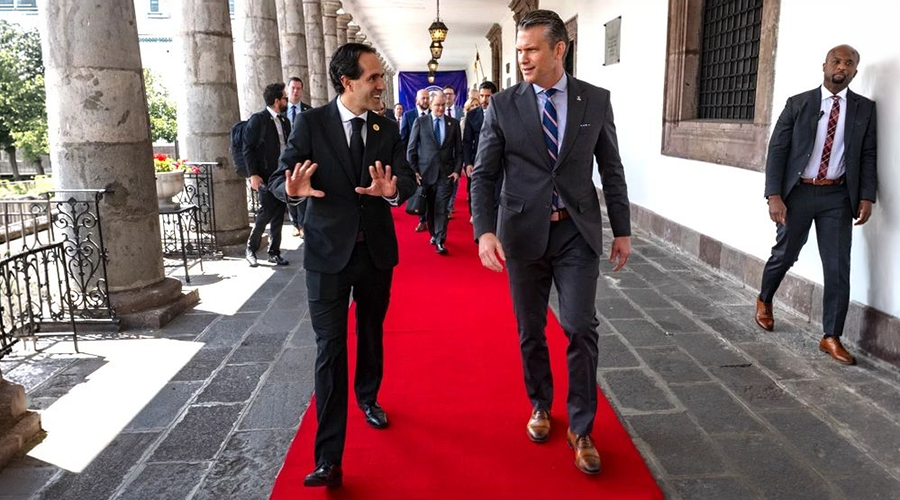
Ecuador’s Interior Minister John Reimberg reaffirmed the country’s security partnership with Washington following reports that the Trump administration had suspended joint military operations, raising uncertainty over efforts to combat drug trafficking and illegal mining.
Talks last week with US Secretary of War Pete Hegseth focused on reviewing operations, determining next steps and identifying Ecuador’s operational needs, Reimberg said in a radio interview Wednesday, Reuters reported. He described the discussions as productive, pointing to an established action plan between the two countries.
“Some would like to see these relationships, which have yielded so many positive results, damaged,” Reimberg said.
The remarks follow reports Tuesday by The New York Times and The Atlantic that Washington halted joint operations in mid-October. The US Department of Defense reportedly launched an investigation into alleged human rights violations during a Sept. 23 operation by Ecuadorian forces in Manabí province that killed a suspected criminal leader.
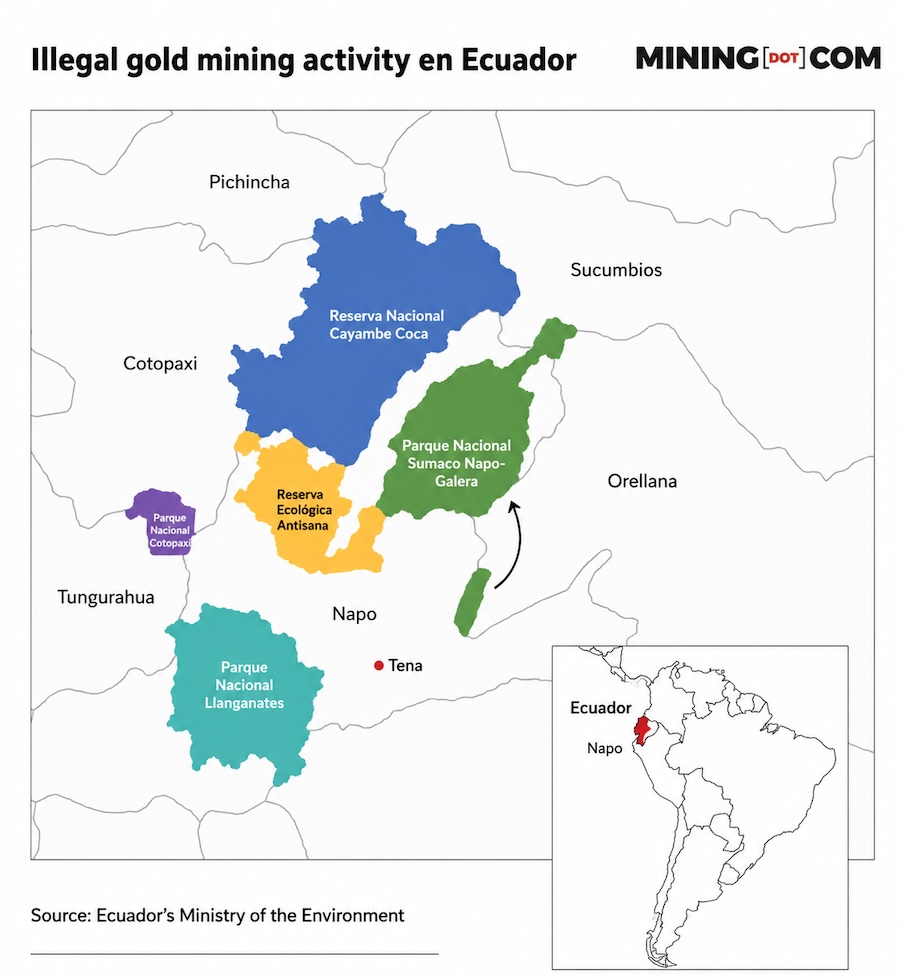
The reported suspension comes at a critical juncture for Ecuador, which in July elevated illegal mining to a national security threat after concluding that criminal gangs had infiltrated the country’s gold supply chain, turning the sector into a major source of financing for organized crime.
Ecuadorian President Daniel Noboa and Hegseth discussed expanding technological assistance, port security and border surveillance during last week’s visit. However, no new agreement was signed amid domestic political sensitivities ahead of the Nov. 29 local elections.
Noboa announced in March that Ecuador would conduct joint operations with the US and other allies, describing the initiative as “a new phase” in the fight against narco-terrorism and illegal mining. While the initiative has garnered public support, Ecuadorians voted last year against allowing foreign military bases on national territory.
Criminal gold
Ecuador’s 2026–2029 National Security Plan identifies illegal mining as a strategic security challenge rather than simply an environmental or regulatory issue.
The government says criminal organizations use illicit gold production to launder drug trafficking proceeds while supplying mining operations with machinery, chemicals and armed protection.
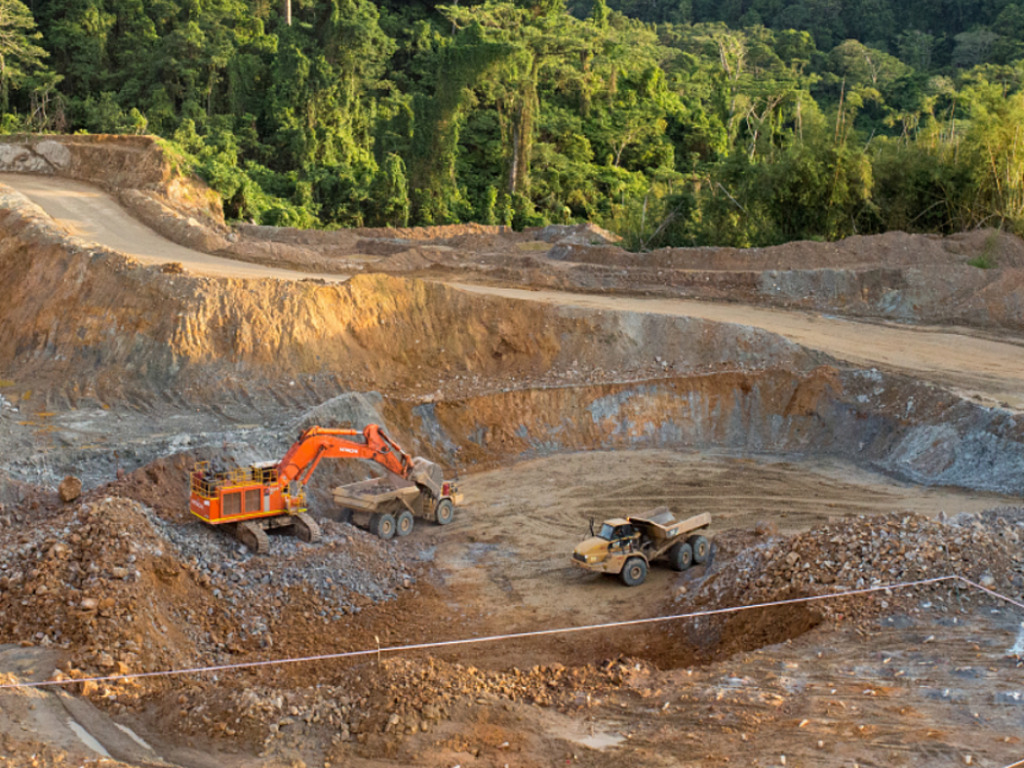
The strategy reflects growing concern over the profitability of illicit gold production, which is fuelling violence and environmental destruction while exposing vulnerabilities in Ecuador’s mineral supply chain.
The plan identifies Los Lobos as the country’s dominant criminal organization in illegal mining. A report by the Global Initiative Against Transnational Organized Crime (GI-TOC) similarly concludes that the gang operates across the gold value chain, from extraction to exports through the ports of Guayaquil and Puerto Bolívar.
Regional resistance
The Trump administration’s push to expand military co-operation under its American Coalition Against the Cartels faces political obstacles elsewhere in Latin America, where governments must balance security priorities with concerns over sovereignty and the legacy of US military interventions.
During Hegseth’s recent trip, Colombian President Abelardo De La Espriella told Washington he lacked congressional support to authorize joint military operations, The New York Times reported.
De La Espriella denied the report, while Hegseth said on X that the alliance between the two countries was “stronger than ever.”
Adam Isacson, a security expert at the Washington Office on Latin America, said the suspension in Ecuador and the lukewarm reception Hegseth received from right-wing governments suggested the Trump administration’s strategy of conducting joint strikes across the region was “losing momentum.”
The Pentagon maintained in a statement to the NYT that US military officers remained “committed to working alongside sovereign partners, including Ecuador, to confront narco-terrorist networks.”
(With files from Reuters)



Comments