Battery-electric mining equipment changes the fire risk: Is your protection plan ready?
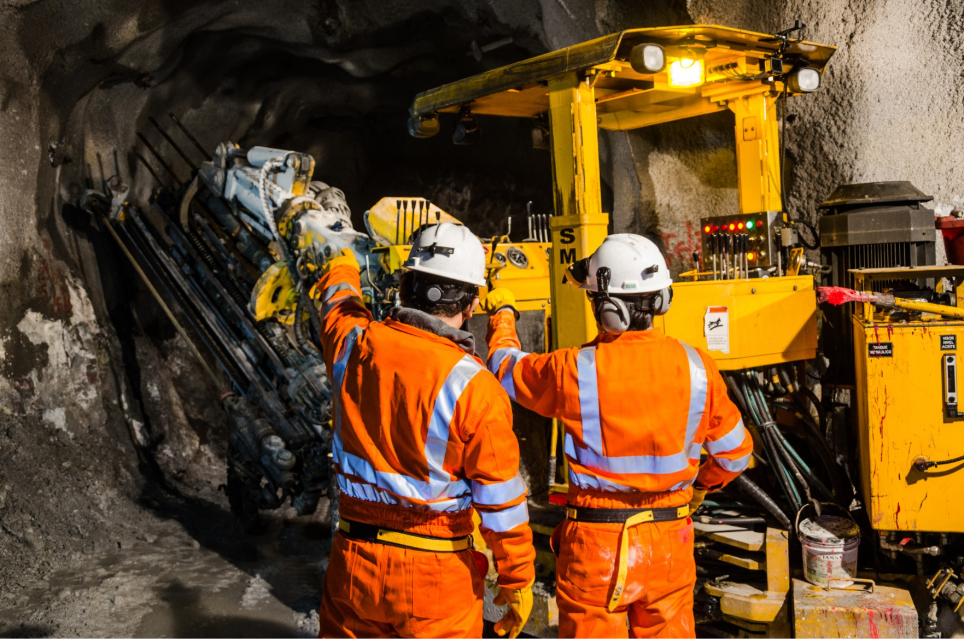
Battery-electric equipment is moving from trials into working mine fleets. At its Macassa mine in Ontario,Agnico Eagle has reported using 22 battery-electric scoops and six battery-electric trucks, along with electric drilling equipment.
Mines are adopting these machines in different settings. In underground mines, replacing diesel equipment with electric ones can reduce exhaust at the source and change a mine’s ventilation needs. Surface mines are also working to introduce battery-electric vehicles into larger fleets.
Electrification changes the fire risk, too. A machine may no longer have a diesel engine, but its hydraulic systems, electrical components and combustible materials are still present. The large battery pack adds a new fire risk and may be difficult to reach during an emergency.
For an underground operator, the question is practical: If this machine develops a fault or catches fire, how will I know, get out and reach safety? Answering that question requires a careful assessment of the machine, its battery and its operating environment.
A different fire scenario underground
When a lithium-ion battery cell is damaged or fails, it can enter thermal runaway. The cell heats rapidly, and that heat then spreads to neighbouring cells. A battery failure can also release hazardous, flammable gases. Even after visible flames have been knocked down, heat inside the pack can lead to reignition.
Knowing what gases a failing battery may release helps a mine plan its response. Researchers at the U.S. National Institute for Occupational Safety and Health (NIOSH) are studying the gases released during battery failures in mines and ways to address battery fires. As findings emerge, mines can use them to review gas detection, ventilation and emergency response plans.
Underground, mining crews must consider where the vehicle is located, how the operator will get out, whether other equipment or personnel are nearby and how they will respond. A loader in a production area presents a different situation from a vehicle parked for charging or maintenance.
When it comes to fire suppression, a battery pack complicates protection. Cells may sit inside an enclosure that limits access. An agent discharged outside the enclosure may not reach a failing cell inside it. The goal for protection should be to detect a problem early, alert the operator, suppress fires the system can reach, provide cooling where possible and support safe evacuation. No onboard system can guarantee that it will stop thermal runaway inside every battery pack.
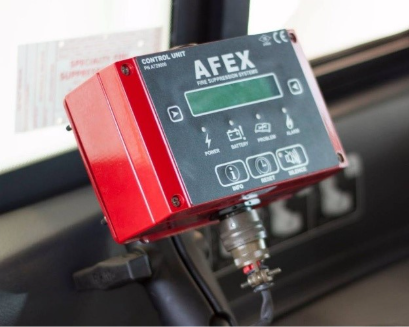
Start with the machine and where it works
A fire risk assessment should begin with the battery. Where is it located? How large is it? Is it enclosed? Can a suppression agent reach the area that needs protection?
The assessment should cover hydraulic lines, electrical systems and places where combustible material collects. A fire may start outside the battery pack and spread toward it.
Where the machine works matters just as much. Mines should consider where a vehicle travels, charges, parks and receives maintenance. They need to know the operator’s path out of the cab and who will receive an alarm when no operator is present. Charging areas deserve particular attention because a machine may remain there without an operator nearby. The mine should know how a warning will be received, who will respond and how responders can approach the area safely.
These questions connect the fire protection system to the mine’s daily operations and emergency plan. Global Mining Guidelines Group’s recommended practices address the wider planning needed to bring battery-electric vehicles underground. Fire protection belongs in that planning, alongside charging, maintenance and crew training.
Use the earliest useful warning
Most battery-electric machines have a battery management system (BMS) that monitors conditions such as temperature and voltage. Depending on the OEM’s design, it may identify an abnormal condition before off-gassing or thermal runaway begins.
If the OEM’s BMS can send a signal to the fire suppression system, this may allow the system to respond while the operator is being alerted to shut down and exit the machine. The mine, OEM and fire suppression provider need to agree on which signal will be used and what happens when it is received.
Timing matters underground. An early warning can give the operator a chance to stop the machine and move away before conditions get worse. It can also give the mine time to begin its emergency response. The warning and next steps must be clear to the operator and anyone else who receives the alarm.
The BMS should be one part of the design. Heat detection, such as linear detection wire and spot sensors, can add another layer in protected areas. It can also detect a fire that starts outside the battery pack, including one involving hydraulic or electrical components.
Off-gassing sensors may be useful on some machines. They need access to the gases released from a damaged cell, generally within a suitably sealed pack or module. If that access is not available, they may not be the right choice. The battery design should guide the decision, rather than assuming every vehicle needs the same type of sensor.
Design suppression around the outcome
Cooling matters during a thermal event because heat can spread between cells. A liquid agent system for battery-electric equipment, that can reach the affected area to provide cooling, may help slow the event. Discharge duration can also be designed to support operator exit. Battery enclosure design, access to the affected area and nozzle placement determine where the agent can be delivered.
The risk assessment should also look beyond the battery. A battery-electric loader or truck may still face fires involving hydraulic components, electrical faults or an external fire moving toward the pack. In some applications, a dual-agent system to address these different hazards may be recommended. Dry chemicals provide fast fire knockdown in protected areas, while liquid agents provide rapid cooling.
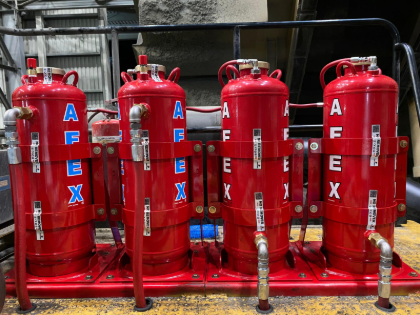
A haul truck, loader and support vehicle may need different system layouts, even at the same mine. The fire risk assessment should identify the areas needing protection and how the agent will reach them.
Make the response workable for crews
A fire protection plan is only useful if people know what to do when an alarm sounds. Operators need to understand the warning, the machine’s shutdown procedure and how to exit the machine and move to safety. The mine also needs a response plan for a vehicle that reports a fault while parked, charging or operating without someone in the cab.
Maintenance teams need to know how to inspect the fire detection and suppression system, respond to faults and return a machine to service. Emergency crews need to know where the battery is located and which areas the onboard system protects.
The plan should also be reviewed when the machine changes. Moving a battery, changing its enclosure or adding equipment near a protected area may affect the original fire risk assessment.
Bringing battery-electric equipment underground changes more than the power source. It changes what crews need to watch for and how they need to respond. A fire protection plan should fit the specific machine, account for the places it works and be understood by the people who operate and maintain it. When an alarm sounds, anyone who hears it should know what it means and what to do next. That is the measure of a plan that works.
Michael Medina is a project manager at AFEX Fire Suppression Systems.
Related Posts
Eight years underground: Six lessons from Agnico Eagle’s autonomous haulage journey at LaRonde LZ5
Sponsored Resource Review video: Newfoundland and Labrador targets mining barriers

Sponsored Xplor video: Amex digs towards Perron bulk sample
November 10, 2026
Sponsored Xplor video: Amex digs towards Perron bulk sample
When minutes become millions: The hidden cost of traditional blast-clearance practices in underground mining
Komatsu puts safety conversations to work
November 9, 2026
Comments