Technology providing modernized asset management

We get it; it has been around a long time. The benefits of Enterprise Asset Management (EAM) have long been understood: improved asset lifetime, reduced unplanned downtime, efficiency savings on maintenance and coordination on HSE and regulatory compliance. But do all operations actually see these benefits come to fruition, especially in those industries, like mining, that contend with harsh, remote environments and increased regulatory pressures. Add to that, the ever-increasing emergence of new technology outstripping the speed at which industries can adopt, leaving businesses reeling from competitive pressures to be the best, to be efficient and to do more with less.
In the early years of EAM, the base standard was to cover work management, procurement and inventory and asset maintenance. The focus was on planned versus corrective maintenance, reducing cost and increasing asset list through efficiencies of knowing where the work was to be done, sending the right resources (once!), capturing the data and improving asset data quality. The challenges were seen to include significant investment cost in up-front purchase of technology and software license costs, but also resistance to change in the workforce through a fear of the unknown and that “computers are taking our jobs” mentality.
In today’s business world, those challenges are being met and swept away. EAM providers now offer software-as-a-service (SaaS) that delivers solutions at a low initial cost that includes hardware, software and deployment costs at an as-you-use rate that is Opex rather than Capex.
Today’s workforce is now more likely to want to use the technology at work that they already use in their home lives.
Mobile working
There have been some successes, the benefits of mobile working solutions provide businesses with much more efficient methods of delivering work to technicians in the field, in data collection and asset data quality. In the U.S. and Canada, it is estimated that 95% of businesses utilize some form of mobile working technology. In oil and gas, this drops to 85% and remote monitoring falls to 80% of businesses reporting to have adopted or a plan to adopt technology. In the mining industry, the figures are lower, 60% of surveyed mine sites utilize technology such as mobile devices, smartphones, tablets and wearable devices. Of these, 61% report direct increases in productivity and operational efficiency and 50% report major improvement in worker satisfaction.
Some of this reduced uptake is attributed to a lack of investment, where the perceived cost investment costs will not provide the returns in efficiency savings that have been projected. This is as much to do with the harsh environmental working conditions rather than a lack of desire to adopt. The example here is the adoption of mobile working technology in a relatively clean working environment of an inventory warehouse or the mechanical utility room of an office building even with PPE, the uptake is significantly higher. When the workers must operate outside in sub-zero temperatures, and their “desk” is the dash of their truck, we see a significantly reduced rate of uptake. The perceived efficiencies are lost because to operate the mobile solution, the workers must return to their trucks, strip off layers of PPE, refocus before logging and then entering the formation that they require.
This is where the artificial intelligence (AI) technologies that are now available to solution providers step in. Thought-leading organizations are developing tools that will read a delivery docket and upload this information to the EAM, or the workers will be able to provide the necessary work order data by simply speaking it and letting the technology do the rest.
Regulatory
Increased regulatory requirements, including safe working, permitting, incident reporting, management of change and regulatory reporting have typically seen low adoption rates within EAM systems. Often, businesses will manage these through disconnected, third-party systems leading to increased license costs and challenges when connected for reporting. EAM systems such as Maximo Application Suite (MAS), through its Manage application, have provided modules for many years to cover these requirements. However, there was a significantly increased investment cost as the licensing module required additional industry solutions (oil and gas or HSE) to be implemented.
This additional license cost has all but evaporated with new models, such as App Points, that are based on actual concurrent usage rather than the up-front “at-seat” license model.
HSE module experts have seen significant number of clients wishing to extend their EAM footprint to implement the benefits of integrated HSE Incident Reporting and Management of (Engineering) Change (MOC). This then leads to the adoption of further mobile working providing users with the ability to report incidents, hazards or unsafe working rapidly and operations to effectively and efficiently respond, and just as importantly, record the response and follow up actions.
Smart technologies
A lot of the technologies that are seeing rapid uptake do not impact the field workers of today directly. These technologies operate, as they should, behind the scenes.
Remote sensors, devices attached to assets to record both operational conditions, alerts and run time suage are now significantly cheaper and more deployable in a variety of ways. Traditionally, mining and oil and gas always had eyes on their critical production assets. Technology benefits are limited to electronic operator logbooks and enhanced shift handover processes and other such software improvements. However, for non-critical assets, the ability to attach sensors to record and provide data feeds has seen improved uptake. This data allows for meter and condition based preventive maintenance rather than the old calendar frequency methodology.
Cloud technologies are now allowing organizations to reduce costs by 30% to 40%. True SaaS models (combining infrastructure and license costs) allow organizations to benefit from having a monthly cost rather than significant upfront investment cost. The use of globally available cloud infrastructure such as AWS and Google means that these environments can use the benefits of scale and move the burden of maintaining secure, always available systems away from the end-user businesses to the SaaS provider.
AI (artificial intelligence technology)
We can talk a lot about AI and the power of Large Language Models (LLMs). There are misperceptions about what AI is and how it will affect industries such as mining and oil and gas. The following are a few things to consider:
- AI is not a world of sci-fi and robots carrying out repairs and maintenance on assets, those robots having a cheery disposition and being able to make advanced judgment calls on what and how to maintain, repair or replace failed assets. That, for the short and medium term, remains within the control of the trained, respected and talented engineers, technicians and trades that have done so for many years.
- Predictive analytics is another topic. This is where the vast amounts of data that is available to Large Language Models will allow AI Tools to search for improvements and efficiencies in current and future maintenance models. These predictive maintenance models already exist and have been honed and improved already. Is there really a lot of savings to be made?
- Where AI tools can be (and are being) harnessed is with tech solutions that will make it simpler to gather and input data into our systems. Traditionally, systems required data to input in a very formal manner, screens on desktops and mobile devices, laid out a form that must be filled out in a particular manner, data had to be typed, and it has to be accurate. And although the simplicity of these forms and methods has been improved over the years, it still requires that the worker must enter that data. AI technologies can go one step further; they can capture images and the spoken word and interpret that information before sending on to the EAM system to process. Thus, taking a scan or speaking words into a device to capture the necessary data with no need to return to the truck, and no need to remove PPE. The data and the original recording (in case of a need to review later) are all collated, processed and updated seamlessly into the system with less keyboard-time and more wrench-time.
Simon Barnes is a Senior Consultant at Naviam, a leading IBM Maximo partner that helps organizations make better decisions through connected asset data and operational intelligence.
Related Posts
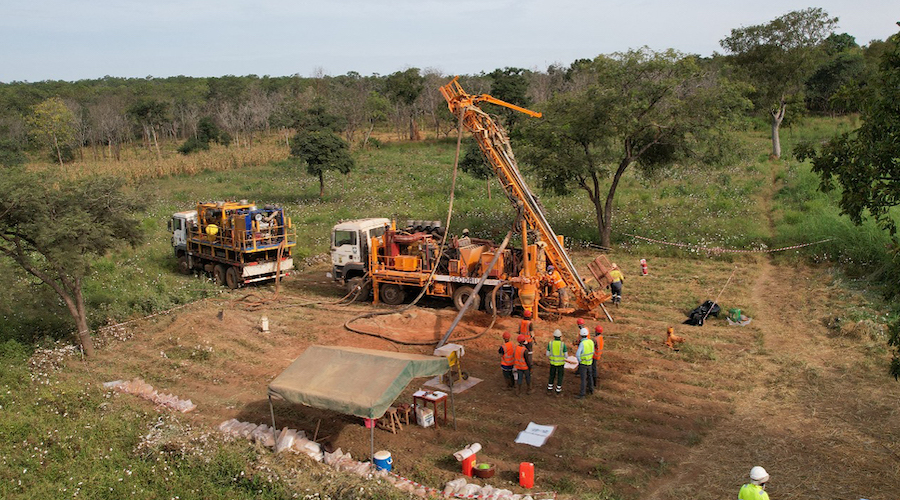
Montage pours first gold at Koné ahead of schedule
September 29, 2026
Montage pours first gold at Koné ahead of schedule
Mining Forum: Miners have cash but lack the crews
September 29, 2026
Mining Forum: Miners have cash but lack the crews
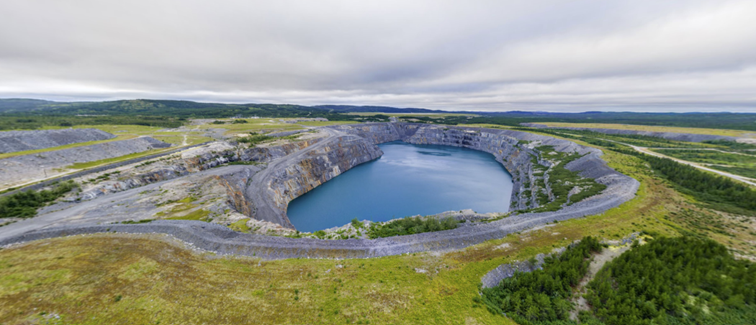
Troilus nails down US$850 million for gold-copper mine redevelopment
September 28, 2026
Troilus nails down US$850 million for gold-copper mine redevelopment
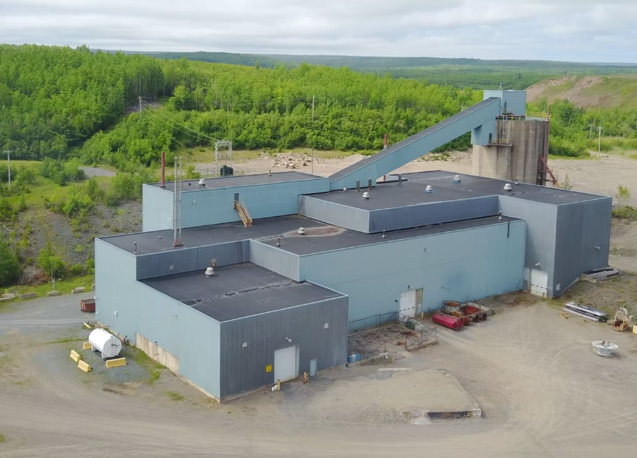
Ore sorting tests slice CAPEX for EDM’s Scotia lead-zinc mine by 57%
September 28, 2026
Ore sorting tests slice CAPEX for EDM’s Scotia lead-zinc mine by 57%
Sponsored video: Isometrix says shared data can flag mine risks early
September 28, 2026
Comments