The operational heartbeat of mining leadership
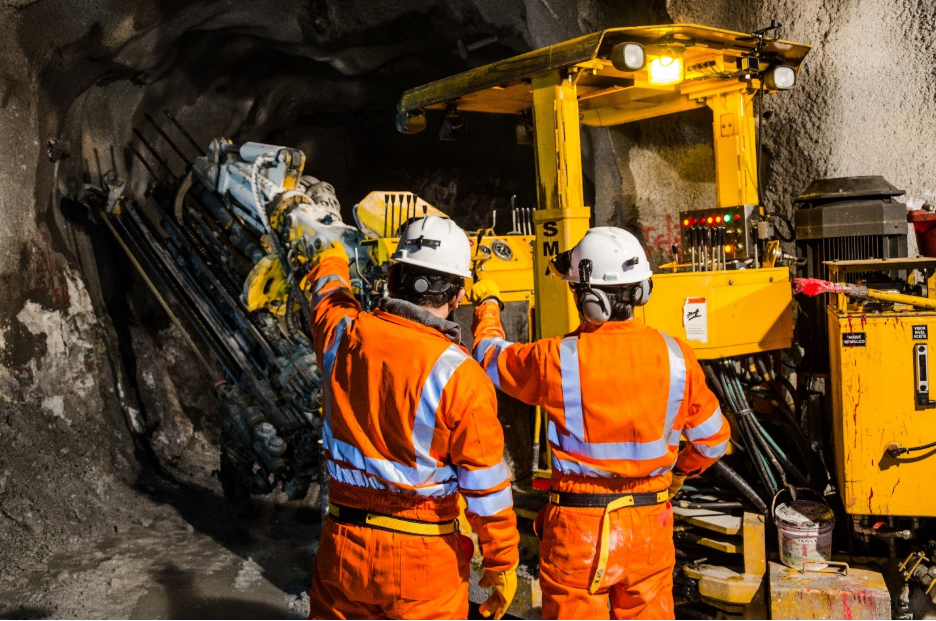
In Canadian mining, we talk a lot about strategy, capital plans, permitting, technology and production targets. But anyone who has spent real time in this industry knows that the true strength of a mine does not come from the boardroom. It comes from the middle, from the supervisors, foremen, coordinators and frontline managers who hold the operation together day after day.
These leaders rarely have the biggest titles. They do not sit in the highest offices. Their work is not celebrated at conferences or written into glossy leadership frameworks. But they carry the weight of the mine more than any other layer.
They live in two worlds at once. They must deliver on the tactical realities of the shift, including safety, production, equipment and people, while supporting the strategic direction set above them. It is a demanding balance, and it is often invisible to those who have never led crews through uncertainty, pressure or change.
Middle leaders in mining often have to make decisions with incomplete information. They absorb pressure so their crews can keep moving. They translate strategy into action in haul trucks, shovels, plants, shops and control rooms. And they do all of this without fanfare, recognition or the comfort of certainty.
Over the years, I have come to believe that leadership at this level rests on the following four things:
- Clarity: seeing the operation as it is, not as you hope it will be.
- Connection: understanding people before trying to lead them.
- Courage: stepping forward when the moment asks more of you.
- Trust: the soil everything grows from.
These are not theories. They are lived realities. They show up in pre-shift meetings, tough conversations, safety calls and the quiet moments when a supervisor decides who they want to be.
Mining depends on these leaders more than it realizes. They shape culture. They stabilize crews. They influence safety more than any policy ever written. They carry the operational heartbeat of the mine while quietly supporting the strategic direction above them.
And yet, they are often overlooked in leadership discussions, not because their work is small, but because it is steady, human and unglamorous.
Leadership in mining begins long before the title. And in most operations, it lives and thrives in the middle. If we want stronger mines, safer crews and more resilient cultures, we need to pay closer attention to the leaders who carry the weight quietly. They deserve more support, more acknowledgment and more investment than they typically receive. Because when the pressure rises — and in mining it always does — these are the leaders who hold the line.

Philip Angino spent more than four decades in mining and heavy industry, working in steelmaking coal with Glencore (formerly Teck Resources), as well as copper mining, iron ore and oil sands operations. His career was shaped by crews, supervisors and middle leaders who taught him what real leadership looks like in demanding environments. Known for his steady, people-first approach, he has coached and mentored hundreds of leaders from the front line to the C-suite. He now writes about the practical, human side of leadership that keeps operations moving and cultures strong.
Related Posts

Haver & Boecker Niagara hires new Alta., Sask., territory manager
November 12, 2026
Haver & Boecker Niagara hires new Alta., Sask., territory manager
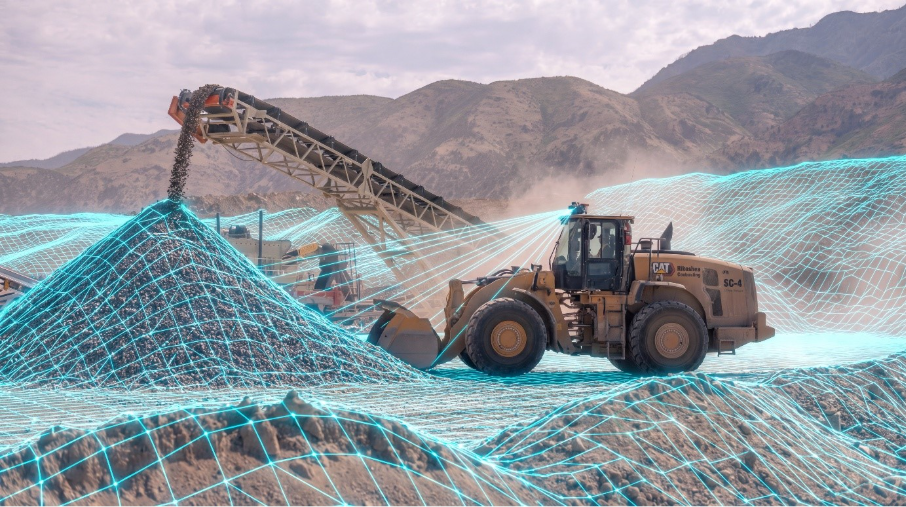
From wheel loader to point cloud: How machines become survey tools
November 12, 2026
From wheel loader to point cloud: How machines become survey tools
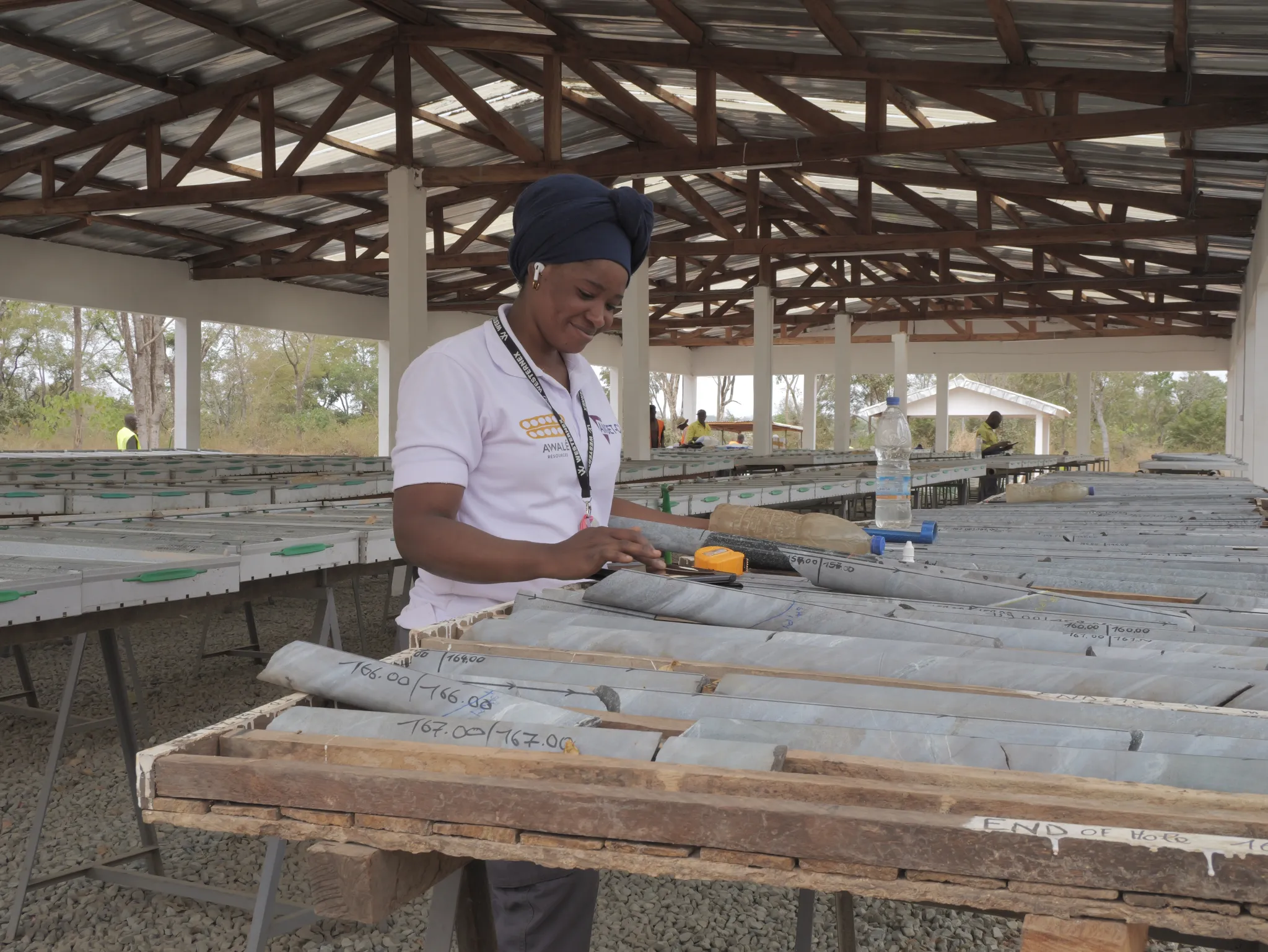
Awalé extends gold beyond Ivory Coast resource
November 12, 2026
Awalé extends gold beyond Ivory Coast resource
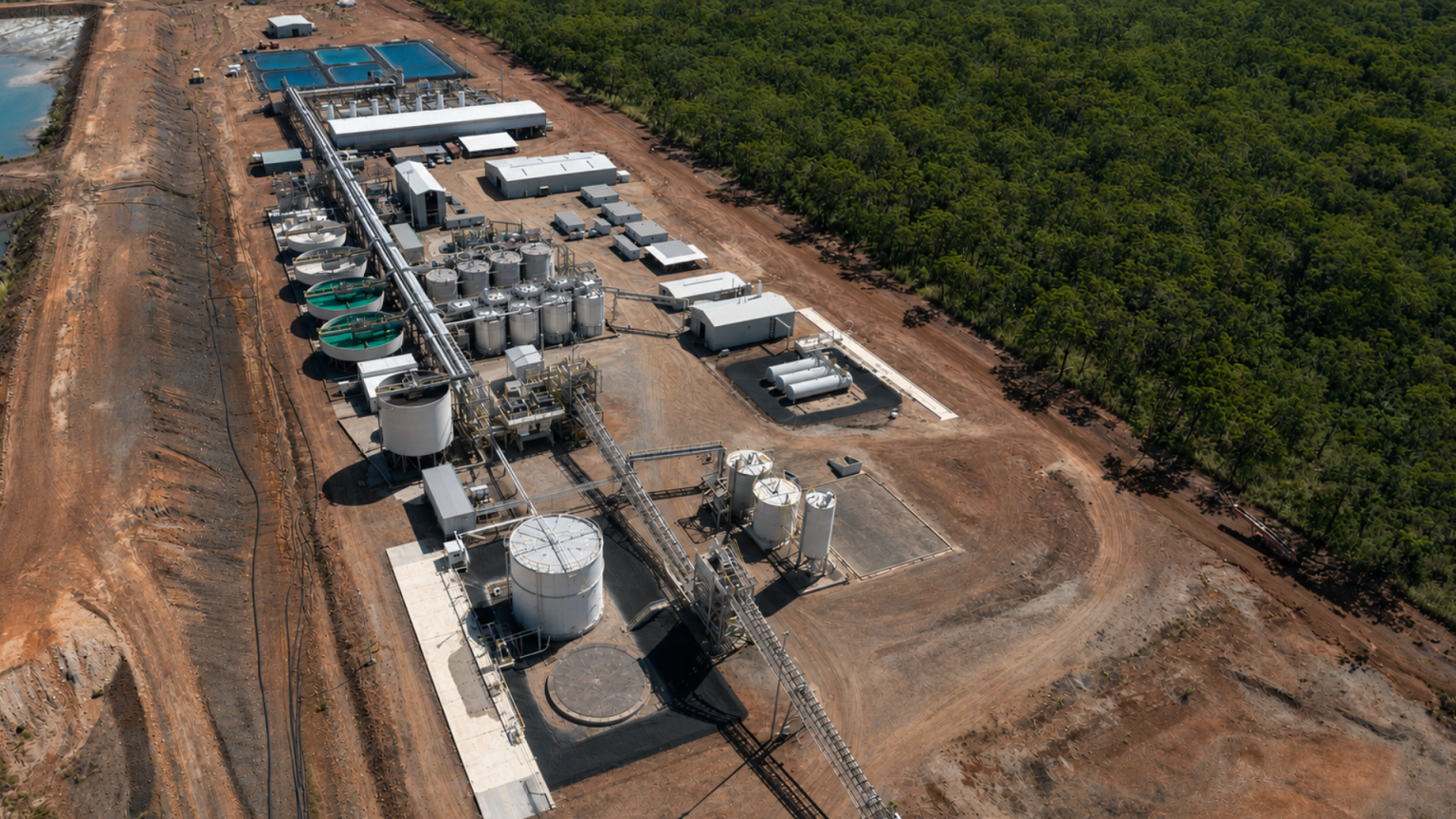
NVRO Metals closes $35M private placement, plans Northern Territories acquisition
Sponsored: CAUR aims to take guesswork out of deep drilling
November 11, 2026
Comments