
Coal demand to rise 1.2% as Hormuz closure drives gas prices: IEA
A new update by the IEA puts coal demand back on the rise following the ongoing conflict in the Middle East.

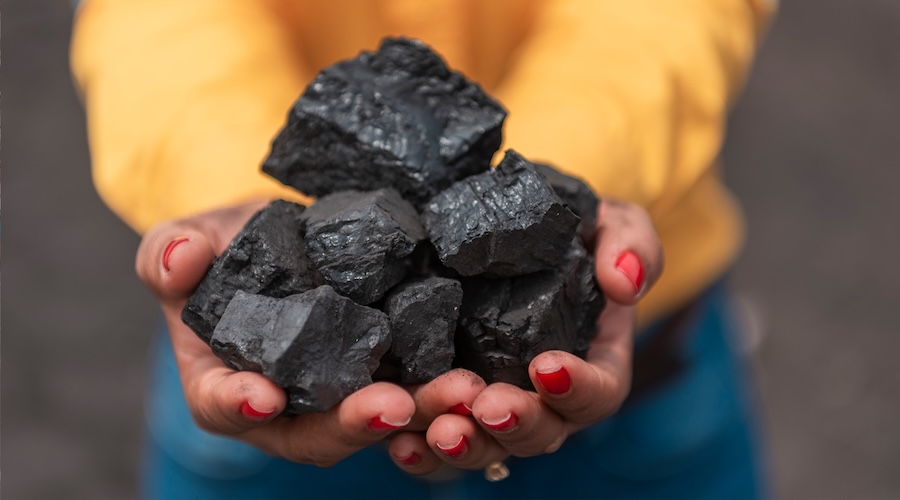
Stock image: by Parilov.
Global coal demand is expected to rise 1.2% in 2026 amid conflicts in the Middle East and disruptions at the Strait of Hormuz, bringing global consumption to 8.94 billion tonnes, a new update by the International Energy Agency (IEA) shows.
The fresh estimate reverses the IEA’s previous forecast for a slight year-over-year decline. The agency attributed the revision to higher gas prices, shifting weather patterns and increased coal-fired generation in countries with spare capacity.
The disruption has particularly affected liquefied natural gas (LNG), an important competing fuel for power generation. Although coal shipments do not pass through Hormuz, restrictions on LNG flows through the waterway have tightened gas supplies and raised prices, improving coal’s competitiveness.
The shift underscores coal’s continuing role as a fallback fuel when other energy supplies are disrupted, the IEA said.
Coal demand has risen in Europe, Japan, South Korea, China and other countries that have gas-fired power fleets and spare coal capacity.
Weather is adding another source of demand. The IEA expects an unusually strong El Niño pattern this year to increase cooling requirements while reducing hydropower generation, putting further pressure on electricity systems.
The outlook now depends heavily on how long disruption in the Middle East lasts.
If tensions ease and LNG shipments resume, allowing gas prices to decline, global coal demand is expected to fall by 0.4% in 2027, to 8.91 Bt, according to the agency. Prolonged disruption could instead push coal use higher.

Regional trends remain mixed. The agency forecasts coal demand will increase 1% in China, 4.2% in India and 6% in South Korea this year
In Japan and the US the opposite is expected, with coal demand declining by 1% and 7% respectively.

Coal production is expected to decline this year even as consumption rises, tightening the market and supporting prices.
China’s output is forecast to fall following safety inspections after a major mine accident earlier this year. Global production of coal is expected to remain above 9Bt for a third consecutive year, with an expectation for output to rise slightly in 2027 after a dip in 2026 amid abundant inventories.
Thermal coal prices rose in the first half of the year, at times reaching $150 a tonne. The IEA expects the Middle East crisis to boost global coal trade and help stabilize the market, tying its outlook increasingly to geopolitical developments far from major producing regions.
(With files from Reuters)
October 27, 2026

October 9, 2026

September 30, 2026
September 29, 2026
Comments