Federal decision on remote road could unlock Ring of Fire access
The Impact Assessment Agency of Canada has launched a comprehensive federal review of the proposed Webequie supply road project, a transformative 107-km […]
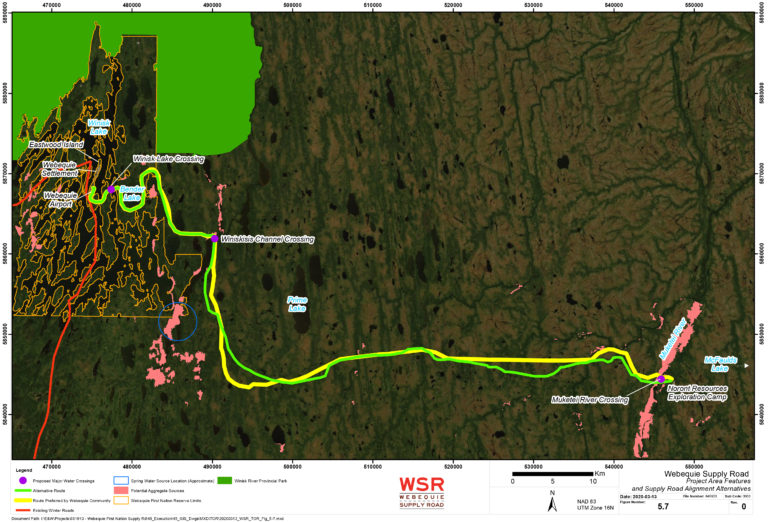
The Impact Assessment Agency of Canada has launched a comprehensive federal review of the proposed Webequie supply road project, a transformative 107-km all-season highway that would connect the Webequie Airport to the McFaulds Lake area in northern Ontario's mineral-rich Ring of Fire region.
The agency now invites Indigenous communities and the public to examine and comment on its draft impact assessment report, which details potential environmental consequences and outlines crucial mitigation strategies for this infrastructure project. The proposed road represents a critical piece of transportation infrastructure that mining industry experts consider essential for unlocking one of Canada's most promising mineral regions.
The Ring of Fire area contains substantial deposits of chromite, nickel, copper, and platinum group metals, resources that industry analysts estimate could generate billions in economic activity. However, the remote location has presented significant logistical challenges for mining development. The Canadian Institute of Mining, Metallurgy and Petroleum has identified inadequate transportation infrastructure as a core barrier to resource development in northern regions, as lack of infrastructure increases both capital and operating costs to accommodate remote locations.
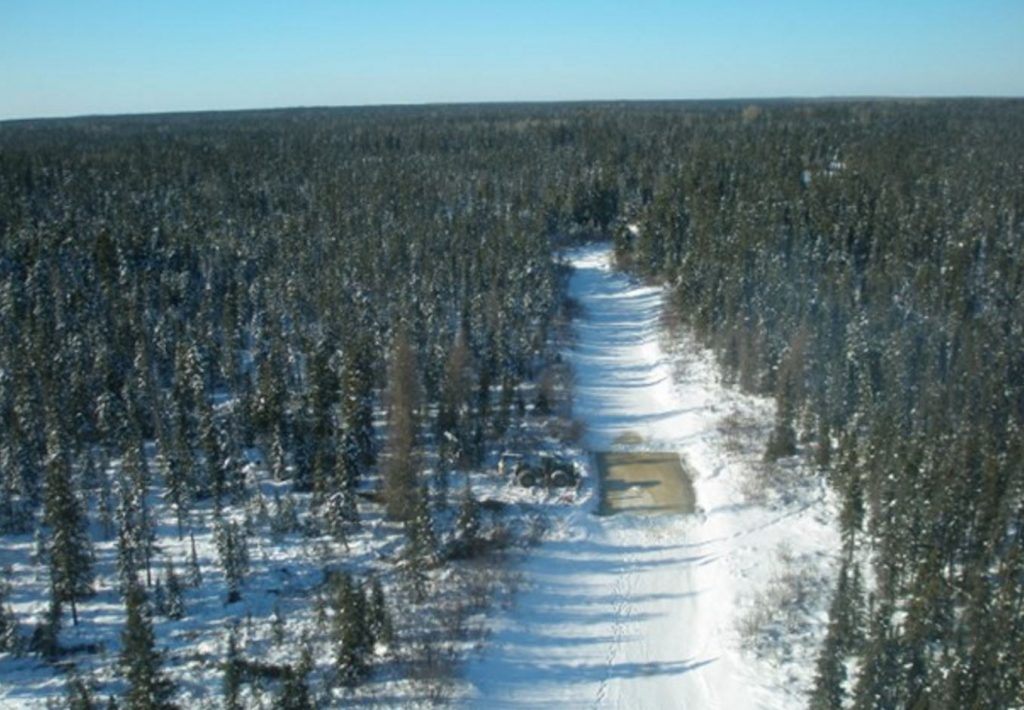
Ontario and federal analyses demonstrate that all-season road access decrease mining operation cost while improving worker safety and reducing environmental impacts from frequent helicopter flights. The Webequie Supply Road would provide year-round access to an area that currently relies on expensive seasonal winter ice roads and aircraft transportation.
Map of supply road. Credit: Webequie First Nation
The federal assessment examines potential environmental impacts within federal jurisdiction and proposes specific mitigation measures and monitoring programs to address identified concerns. The agency also seeks public input on potential legally binding conditions that the federal minister of environment, climate change and nature could impose on the project developer.
Indigenous communities have expressed both support for economic opportunities and concerns about environmental protection. The Webequie First Nation, which initiated the road proposal, views the project as essential infrastructure for community development and resource revenue sharing. However, other First Nations have raised questions about impacts on traditional hunting grounds and waterways.
Mining industry representatives emphasize the road's importance for Canada's critical mineral strategy. The federal government has identified chromite and other Ring of Fire minerals as essential for electric vehicle battery production and clean energy technologies. Without adequate transportation infrastructure, these resources remain effectively stranded despite growing global demand.
Citizens can submit comments through the Canadian Impact Assessment Registry website using reference number 80183, where the complete draft report and proposed conditions are available for review. Those preferring alternative submission methods can contact the agency directly at Webequie@iaac-aeic.gc.ca.
The public comment period closes at 11:59 p.m. on May 22, 2026, marking the final opportunity for stakeholder input before the federal government makes its decision on this significant infrastructure project. All submitted comments will become part of the permanent project record and will be published online.
More information about the supply road project is available at www.Supplyroad.ca



Comments