The Supreme Court of Canada's (SCC) decision in Lundin Mining Corp. v. Markowich marks a turning point for Canadian securities law. It revisits the meaning of "material change," resulting in significant implications for reporting issuers and the broader Canadian capital markets.
The SCC's ruling sends a clear message to reporting issuers: timely disclosure obligations are broader than many may have assumed. Issuers must now disclose more information faster. Even operational events once viewed as routine, particularly in industries like mining, may now constitute a "material change," requiring immediate public disclosure even when temporary or inherent to the industry.
Issuers should adopt a proactive disclosure posture. The safest strategy is to err on the side of timely transparency. Delaying disclosure until scheduled quarterly updates or relying on internal assessments that downplay operational incidents are no longer defensible.
The SCC reaffirmed and clarified the governing framework by distinguishing between material facts and material changes, emphasizing a broad standard aimed at protecting investors:
- Material fact (static): A snapshot of an issuer's affairs at a point in time, broadly defined to include any internal or external fact that could significantly impact market price or value of an issuer's shares.
- Material change (dynamic): A comparison of an issuer's affairs involving its business, operations or capital at two points in time, which must be internal to the issuer and involve a substantial likelihood of materialization.
The SCC confirmed a two-step test for determining a material change:
- Has there been a change in an issuer's business, operations, or capital?
This threshold is low and doesn't require the change to be important or substantial, or disrupt an issuer's overall viability. A change can simply be a development in the affairs of an issuer that applies to its business, operations, or capital. The development doesn't need to be important or substantial to constitute a change.
- Is that change material?
The question is whether a reasonable investor, applying economic judgment, would expect the change to significantly affect or influence the market value of an issuer's securities.
The SCC emphasized that an issuer's good faith business judgment about the results of this two-step test does not provide a safe harbor from liability for wrong decisions. The test for whether a development is a material change is a highly contextual legal question of mixed fact and law, not subordinated to any business judgment rule.
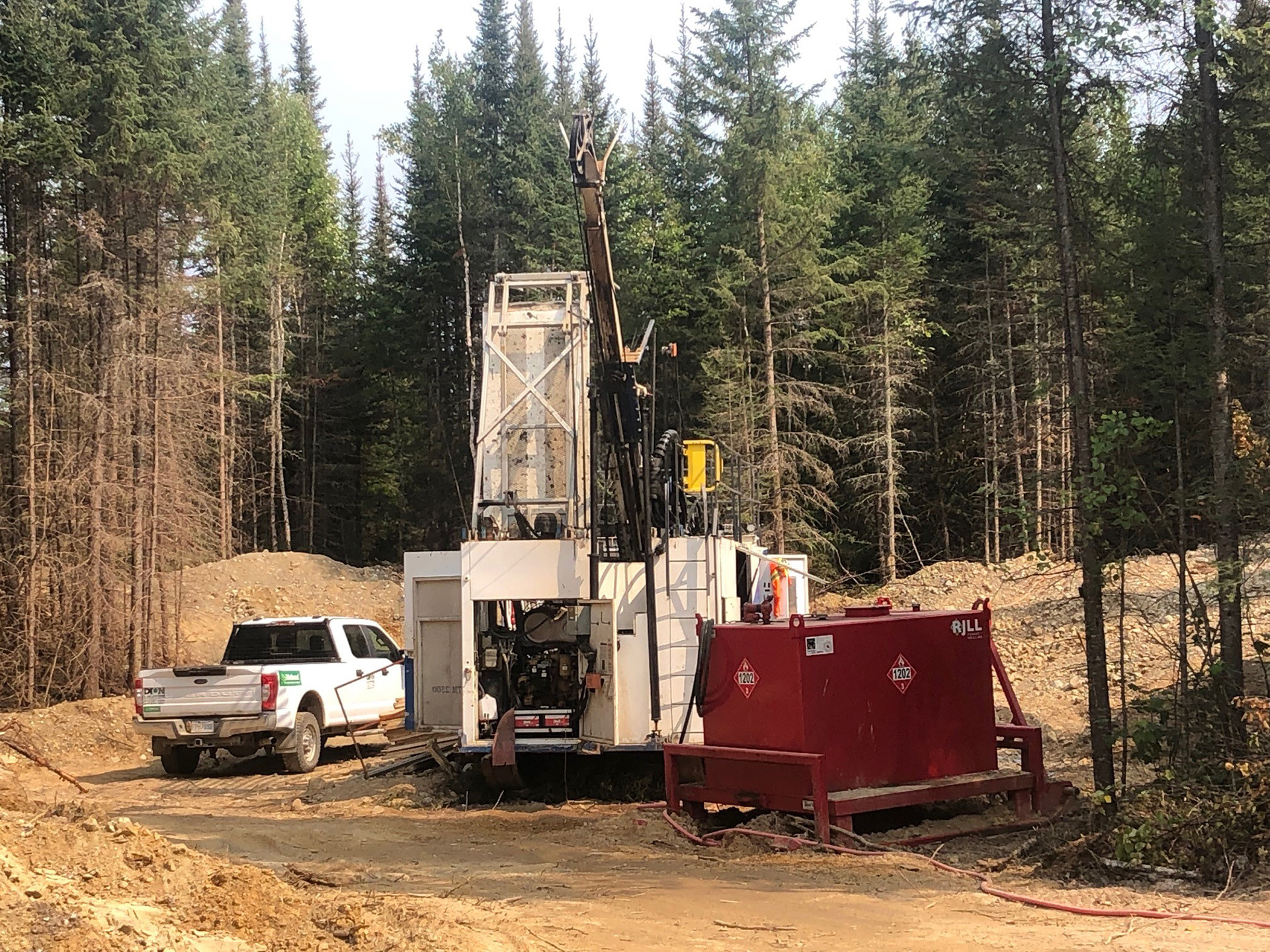
The SCC's decision arose from a dispute over whether Lundin Mining Corp. should have acted more quickly to inform the market about a significant operational event at its Candelaria copper mine in Chile. Lundin delayed disclosing a rockslide that forced a partial mine shutdown for over a month, resulting in a sharp stock price drop upon disclosure.
The SCC ultimately affirmed a broader interpretation of "material change," rejecting the notion that only strategic or structural changes qualify. The court emphasized that even temporary operational disruptions can meet the threshold if they alter the way the business functions.
For mining issuers, this means that events such as pit wall failures, rockslides, flooding, or unexpected shutdowns must be assessed immediately for disclosure, regardless of their inherent nature to mining operations.
For all reporting issuers, the decision signals a shift toward broader and faster disclosure obligations. Companies are likely to adopt a more cautious disclosure posture, issuing press releases and material change reports more frequently.
Issuers and boards should:
- Revisit their disclosure frameworks and prepare for heightened scrutiny
- Strengthen escalation protocols in disclosure policies
- Ensure management understands the new standard
In this new environment, caution is not just prudent, but essential.
Contact the firm's capital markets and securities group for strategic guidance on disclosure obligations, securities compliance, or mining-related operational risk.
When must mining issuers disclose operational incidents under Canadian securities law?
Mining issuers must disclose operational incidents "forthwith" when they constitute a material change, meaning they alter business operations and could reasonably affect market value.
Does a temporary shutdown at a mine qualify as a material change?
Yes. Even temporary operational disruptions can qualify if they alter the way the business functions and could influence a reasonable investor's economic judgment.
Does good-faith business judgment protect an issuer from liability for late disclosure?
No. The SCC clarified that business judgment does not create a safe harbour; courts apply the materiality test objectively.
Are inherent mining risks exempt from disclosure obligations?
No. The inherent nature of certain mining risks does not eliminate the duty to promptly disclose developments that may affect market value.
What policies should issuers update after Lundin Mining?
Issuers should modernize disclosure frameworks, escalation procedures, internal reporting protocols, and training programs for operational teams to meet the broadened standard.
The content of this article is intended to provide a general guide to the subject matter by Miller Thomson LLP. Specialist advice should be sought about your specific circumstances.
More information is posted at www.MillerThomson.com.



Comments