The Moose River Gold Mines Museum honoured victims and rescuers this past Saturday afternoon during a special ceremony marking 90 years since a mine collapse captivated the world and sparked one of radio's first live disaster broadcasts.
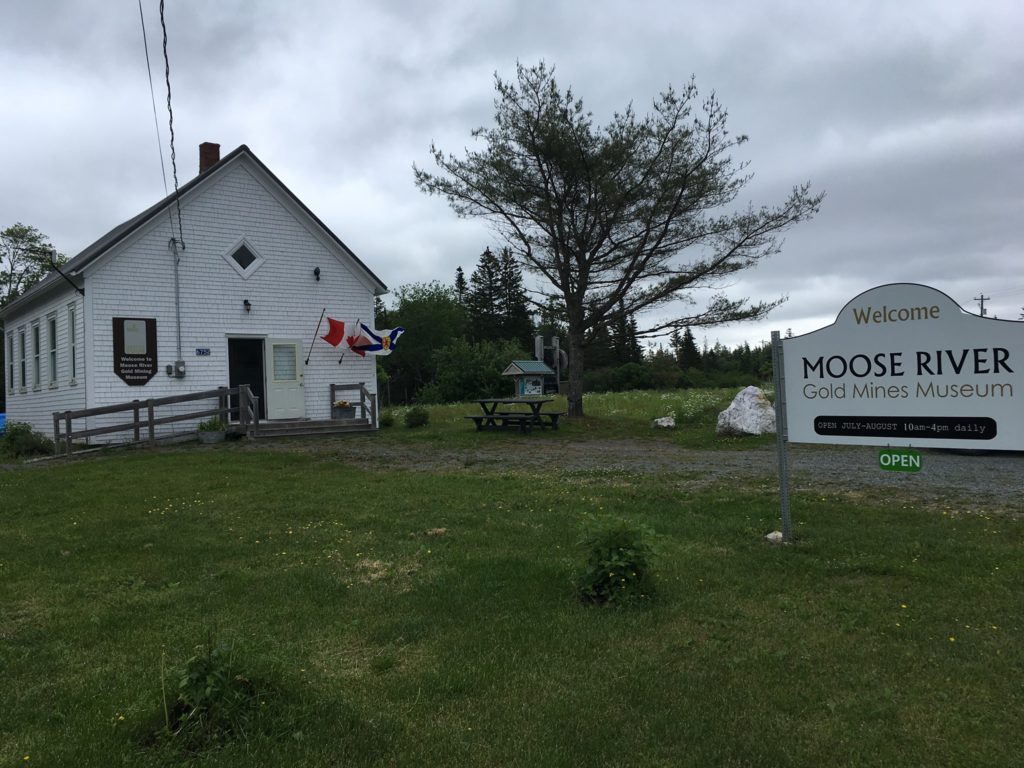
Saturday's commemorative ceremony began at 2 p.m. at the Moose River Gold Mines Museum, housed in a one-room schoolhouse that remains from the original settlement. The museum preserved the story for four decades, continuing to draw international visitors interested in this pivotal moment in broadcasting history and human resilience.
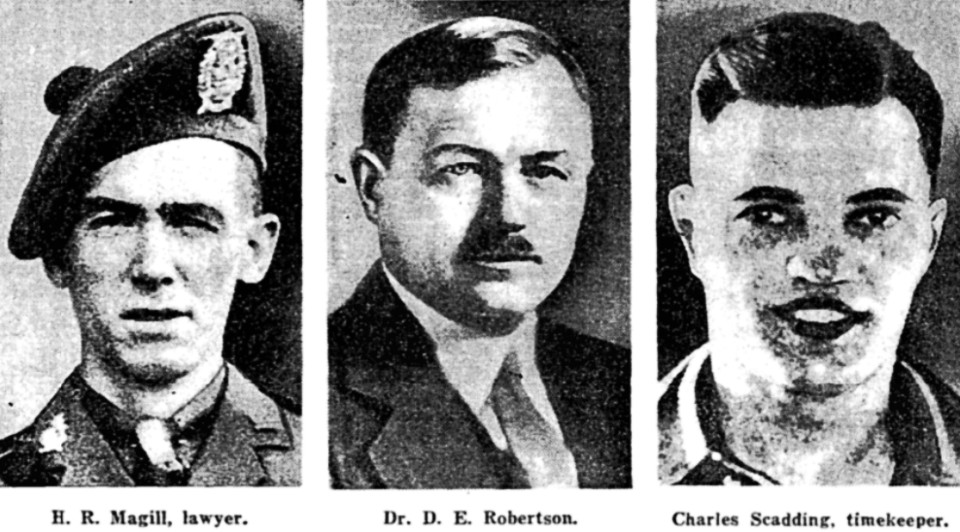
The tragedy began in April 1936 when three men descended into an abandoned gold mine 30 km southeast of Middle Musquodoboit, Nova Scotia. The shaft collapsed without warning, trapping mine owners Herman Magill and Dr. David Robertson along with timekeeper Alfred Scadding nearly 43 metres underground.
Moose River Gold Mines Museum Credit: Museum Facebook profile
The mine had operated illegally at the time of the disaster. Owners had removed supporting pillars left from previous mining operations to extract remaining gold deposits, weakening the structure and causing the catastrophic roof collapse.
Billy Bell, a 34-year-old diamond driller from New Glasgow, led the painstaking rescue effort. Working without any mine maps or blueprints, Bell followed smoke rising from the ground where the trapped men had lit fires for warmth. He drilled continuously at roughly two meters per hour, refusing orders from supervisors to abandon the effort after five days.
Bell's determination paid off when his drill broke through to the trapped chamber. Rescuers then worked from the opposite direction, creating the "rat hole" that eventually freed the survivors. The grueling operation stretched across ten days, during which Magill died from injuries sustained in the collapse.
First live disaster broadcast
CBC reporter J. Frank Willis transformed the rescue into a media sensation, broadcasting live updates every half hour for 69 consecutive hours. Over 100 million listeners across North America tuned in to his reports, with 58 Canadian stations and 650 American stations carrying the coverage. The BBC also picked up the broadcasts internationally.
Willis used a telephone line to file his reports from the scene, capturing the dramatic moment when Robertson emerged from the mine. Background cheers and the bustle of rescue workers created an unprecedented sense of immediacy for radio audiences worldwide.
The disaster struck during the Great Depression, yet local communities rallied to support hundreds of volunteers and media personnel who descended on the rural area. Families opened their homes and kitchens, with children as young as ten learning to bake bread to feed the crowds.
The event recognized both the volunteers who worked tirelessly during the rescue and the local residents who provided food and shelter during those intense ten days that brought global attention to a small Nova Scotia community.



Comments