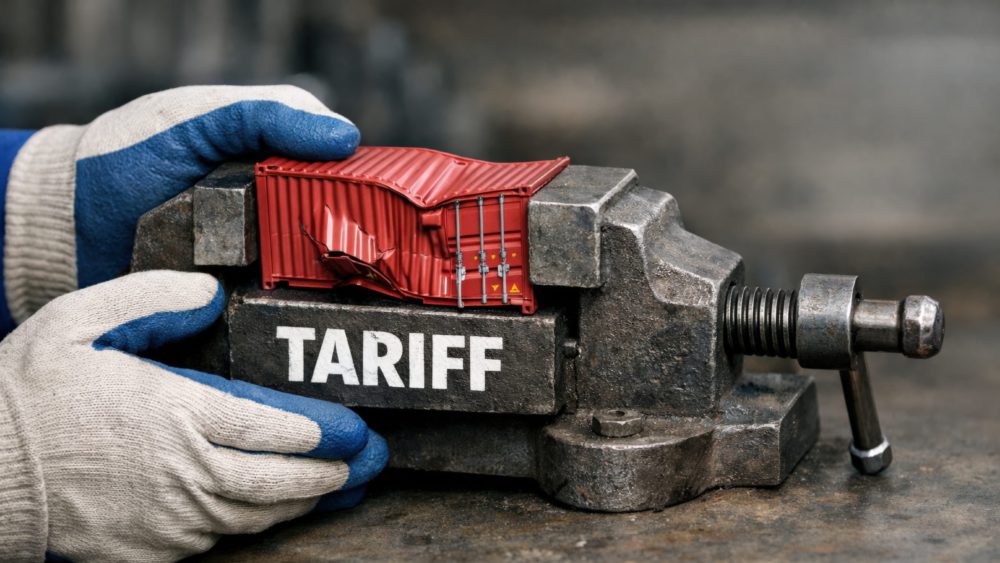
Canada's federal government rolled out $1.5 billion in financial support this week for companies grappling with new U.S. tariffs on steel, aluminum and copper products, a move that could reshape how mining companies position themselves in North American supply chains.
"We are taking concrete action to strengthen Canada's economy by standing behind our steel, aluminum and copper industries," Mélanie Joly, federal minister of industry and minister responsible for Canada economic eevelopment for Quebec regions, said. "The new measures announced today will protect workers and ensure companies have the tools and financing they need to keep operating, growing, and building Canada's strength at home."
The centerpiece involves a $1 billion Business Development Bank of Canada (BDC) program targeting manufacturers and exporters that rely heavily on these metals in their operations. An additional $500 million flows through the Regional Tariff Response Initiative to help smaller businesses pivot their market strategies.
"When markets turn unfair, Canada needs institutions that can step up and deliver fast," she said. "BDC is ready to get this money into the operations of steel and aluminum companies quickly, keeping their doors open and them producing," BDC President Isabelle Hudon said.
The funding responds to Washington's April 6 tariff adjustments, which have created immediate cash flow pressures for Canadian companies across the metals value chain. Mining companies now face uncertainty about demand from downstream manufacturers who must absorb higher costs or find alternative markets.
Tariffs have secondary impacts on the mining sector
For mining operations, the ripple effects could prove significant. Steel and aluminum producers—key customers for iron ore, bauxite and other mining inputs—may reduce orders if they struggle to compete with imports. Conversely, copper miners might benefit if domestic manufacturers boost procurement to avoid tariff-heavy foreign alternatives.
The BDC program offers favourable financing terms for companies demonstrating tariff impacts, though specific eligibility criteria remain unclear. Regional development agencies will distribute the additional $500 million to help small and medium enterprises diversify markets and upgrade productivity.
The announcement builds on Ottawa's broader response to U.S. trade actions, including retaliatory tariffs on $15.6 billion worth of American steel and aluminum imports and new quotas limiting third-country metal imports. Mining companies must now navigate this complex web of trade restrictions while assessing how domestic policies might affect their customer base.
The government expects private financial institutions to maintain lending support while public programs provide emergency liquidity. For mining companies, this coordinated approach may signal sustained government backing for metal-intensive industries, potentially stabilizing demand despite trade disruptions.
Mining executives will likely monitor how effectively the programs help downstream customers weather the tariff storm, as sustained manufacturing weakness could eventually impact commodity demand across the sector.




Comments