A potential expansion of a coal fine in British Columbia will undergo additional scrutiny after a federal assessment agency expressed concerns the project could harm wildlife, water quality, and the health and rights of Indigenous communities.
Situated 29 km northeast of Elkford, B.C., the Fording River operation is among four steelmaking coal mines owned by global company Glencore plc through its Vancouver-based subsidiary, EVR Operations Ltd. The company acquired Teck Resources Ltd.'s coal division earlier this year and aims to extend the mine’s lifespan into the 2060s. To achieve this, EVR plans to utilize existing infrastructure, including a processing plant, access roads, power and gas lines, and a rail line.
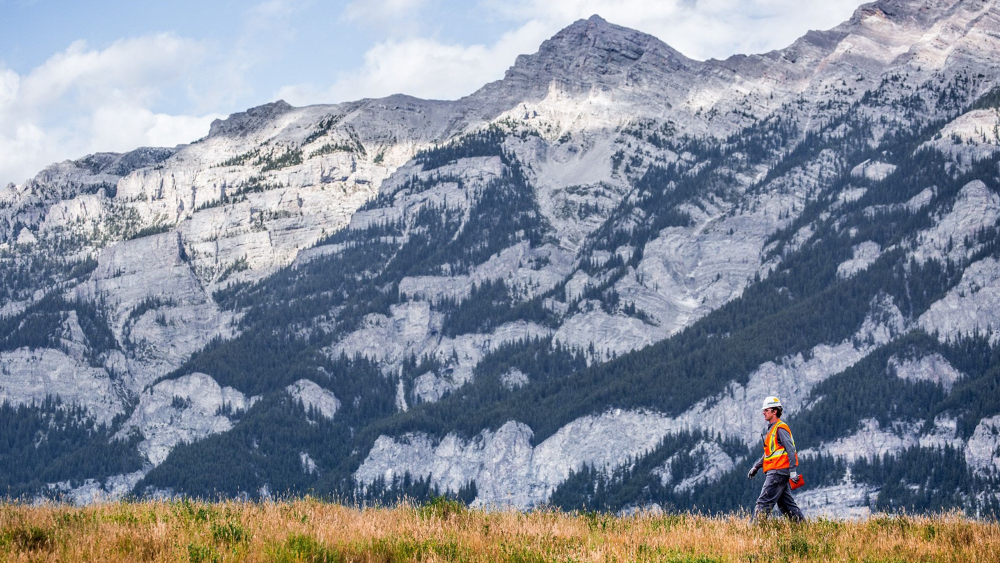
However, to sustain coal production, the company’s expansion plans include excavating into Castle Mountain, a 20 sq. km (2,000-hectare) area traditionally used by First Nations, characterized by high-elevation grasslands that support several threatened species.
This week, Canada’s Impact Assessment Agency of Canada (IAAC) issued a decision highlighting concerns that the project could: Further threaten fish populations and their habitats, including species at risk; Adversely affect migratory bird routes; Increase pollution flowing into rivers that cross into the United States; and result in health, social, economic, and environmental impacts for First Nations communities, potentially infringing on their constitutional rights.
Curtis Lu, spokesperson for IAAC, told the Business in Vancouver media outlet that the agency is working with B.C.’s Environmental Assessment Office to create a unified review process that satisfies both federal and provincial requirements. Both bodies are now determining what additional data and assessments are necessary. Lu noted that they plan to announce a joint consultation period on draft guidelines and plans at an unspecified future date.
After collecting and reviewing feedback, a final report will be shared with the federal minister of environment and climate change, providing guidance on whether to approve the project.
Lu stated, “If the minister finds that significant adverse effects are justified in the public interest, a decision statement will be issued, including enforceable conditions for the project’s proponents to follow throughout its lifespan.”
EVR's chief spokesperson said the company has updated its expansion plans to address environmental concerns. These adjustments involve reducing the project’s overall footprint, emphasizing progressive reclamation (restoring land during mining operations), and implementing improved water quality measures. Stannell also expressed the company’s commitment to ongoing engagement with Indigenous nations as the project progresses and incorporates numerous mitigation strategies.
As of 2024, EVR reports that the mine provides 1,500 direct jobs and contributes approximately $1.5 billion annually to the provincial GDP. If approved, the $800 million project would see construction between 2028 and 2030, expanding the mine’s current 5,388-hectare area by an additional 20 sq. km (2,000 hectares). This expansion is expected to tap into enough coal reserves to extend the mine’s operation for another 30 to 40 years and maintain current employment levels.
Federal documents also indicate the expansion could further jeopardize the rights of the Ktunaxa people to hunt, fish, gather plants, and mineral resources on Castle Mountain. Wiebe emphasized the project threatens the habitat of bighorn sheep and grizzly bears.
A major concern remains water quality and the ongoing leaching of pollutants, which could persist for decades or even centuries. Last year, EVR and Teck faced multi-million-dollar fines for failing to adequately control the release of contaminated water, with EVR fined $3.6 million for past violations involving nitrate and selenium pollution.
Both substances pose serious risks: nitrate causes toxicity and oxygen depletion in water, while selenium—though vital in small amounts—can lead to reproductive failures and deformities in wildlife at high concentrations.
More information is posted on www.Glencore.ca/en/evr/fording-river-extension.

Comments